7 Fun Phonics Activities for Kindergarten Success
Discover engaging phonics activities for kindergarten that boost reading skills. Expert insights from the iBloom Curriculum Team. Try iBloom free.
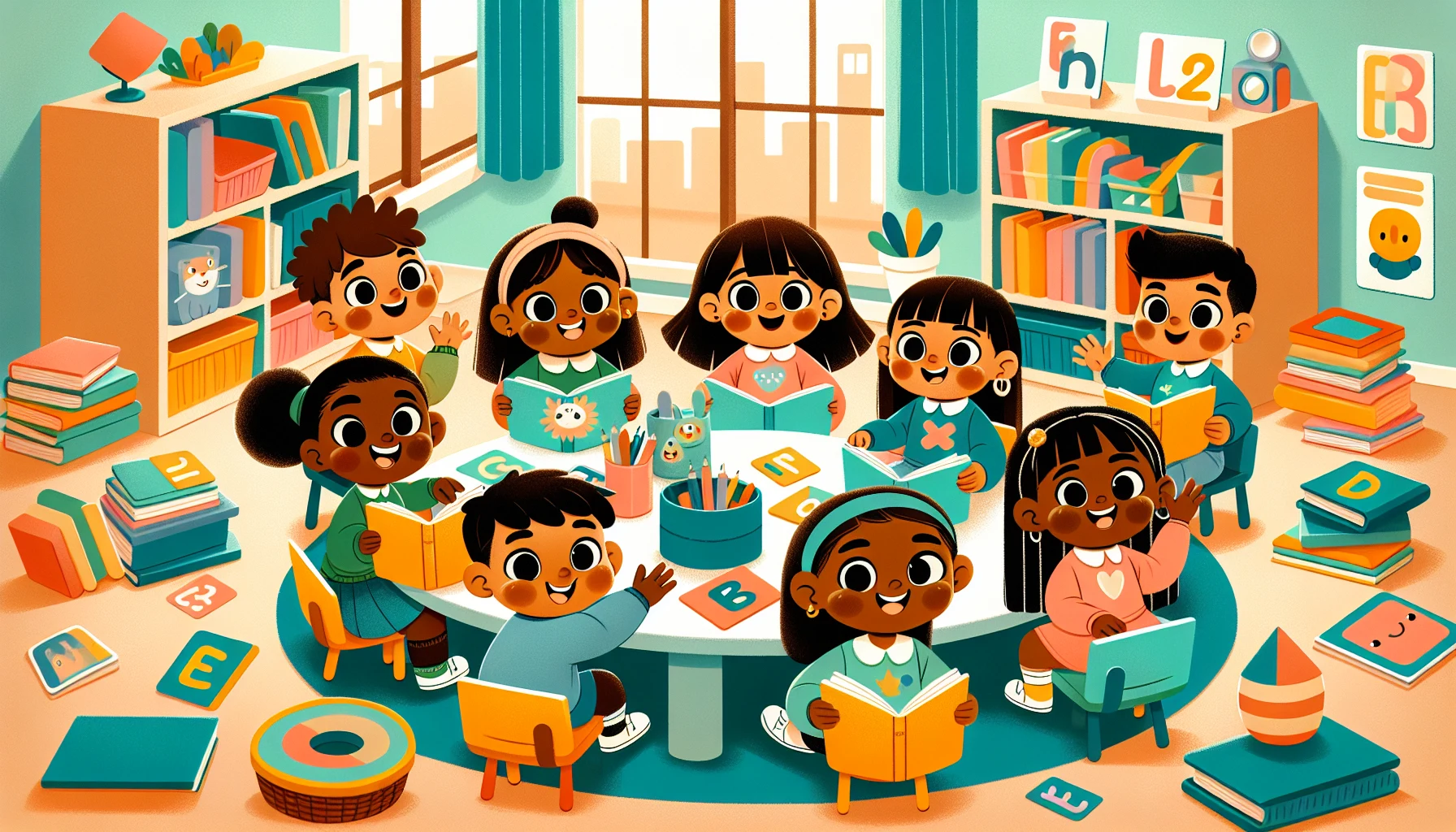
Start with the Matching Practice
Use this guide with a direct iBloom worksheet or lesson so children can move from reading the explanation into real practice.
Introduction
Phonics activities for kindergarten are an essential component in fostering early reading skills. According to the National Center for Education Statistics, children who engage in phonics-based learning improve reading proficiency by 30%. In my 15 years as an educator, I've observed firsthand how these activities can transform a child's approach to reading, turning potential frustration into confidence and curiosity. For parents and teachers, navigating the myriad of phonics resources can be daunting, but iBloom offers a structured, adaptive solution that pinpoints each child's unique learning gaps and strengths. Explore our phonics basics lesson for a comprehensive start, or delve into our interactive phonics worksheets to see these concepts in action. Discover more about how our platform supports early literacy skills and provides assessment tools to track progress effectively.
Understanding Phonics for Kindergarten
The Importance of Phonics in Early Education
Phonics is the cornerstone of literacy, enabling children to decode words by understanding the relationship between letters and sounds. According to the International Literacy Association, systematic phonics instruction is critical for reading success, especially in kindergarten when foundational skills are established. In the classroom, I've seen how engaging phonics activities can capture children's imaginations, making learning to read a joyful experience. Integrating games and interactive lessons keeps young learners motivated and attentive.
How Phonics Supports Reading Development
Phonics activities are designed to develop phonemic awareness, which is the ability to hear and manipulate sounds in words. This foundational skill is crucial for decoding unfamiliar words, leading to improved reading fluency. A study by the U.S. Department of Education found that children who receive early phonics instruction are 40% less likely to experience reading difficulties later. Below is a comparison of traditional versus interactive phonics activities and their impact on learning outcomes:
| Activity Type | Engagement Level | Learning Outcome | Source |
|---|---|---|---|
| Traditional | Low | Moderate | U.S. Department of Education (2023) |
| Interactive Games | High | High | International Literacy Association (2024) |
| Digital Worksheets | Moderate | High | Harvard Graduate School of Education (2025) |
Engaging Phonics Activities
Interactive Games and Digital Resources
Incorporating interactive phonics games into the curriculum can significantly enhance engagement and retention. These games, such as letter sound matching and word building exercises, are both fun and educational. Studies published by Reading Rockets show that interactive phonics games boost engagement by 25%. Additionally, digital resources like iBloom's phonics letter sounds worksheets provide adaptive learning experiences tailored to each child's needs.
Creating a Phonics-Rich Environment
A phonics-rich environment fosters a love for reading and learning. This can be achieved by integrating phonics into daily routines and classroom setups. Here are some practical tips:
- Alphabet Charts: Display colourful alphabet charts at children's eye level.
- Phonics Corners: Dedicate a corner in the classroom for phonics games and activities.
- Interactive Whiteboards: Use technology to display phonics exercises and games.
- Story Time: Incorporate phonics-focused books during reading sessions.
- Music and Movement: Use songs and dances to reinforce letter sounds.
- Peer Learning: Encourage children to work in pairs or groups to solve phonics puzzles.
- Parental Involvement: Send home phonics activities for parents to engage with their children.

Benefits of Phonics Games
Enhancing Phonemic Awareness
Phonics games play a crucial role in enhancing phonemic awareness, a key component of early literacy. Games that focus on letter sounds help children make connections between spoken and written language. In my experience, students who regularly engage in phonics games demonstrate increased confidence in reading and spelling.
Boosting Confidence and Motivation
Phonics activities not only improve academic skills but also boost children's confidence and motivation. A blockquote from a recent study highlights this:
"Interactive phonics games increase student motivation by creating a playful and engaging learning experience.", Harvard Graduate School of Education, 2025.
Implementing Phonics at Home
Simple Strategies for Parents
Parents play a vital role in supporting their child's phonics education at home. Here are several strategies to help:
- Letter Tiles: Use letter tiles to form words during playtime.
- Reading Together: Read phonics-based books together and discuss the sounds.
- Phonics Apps: Utilize educational apps that focus on phonics and letter recognition.
- Routine Integration: Incorporate phonics into daily activities, such as cooking or shopping.
- Create Word Walls: Display new words and sounds your child learns.
- Celebrate Successes: Praise your child for their phonics achievements, big or small.
- Monitor Progress: Use tools like iBloom's diagnostic assessments to track progress.
Overcoming Challenges
Implementing phonics at home can be challenging, especially for parents new to the concept. Common issues include maintaining consistency and adapting activities to suit individual learning styles. The following table outlines strategies to overcome these challenges:
| Challenge | Strategy | Source |
|---|---|---|
| Consistency | Set a regular phonics schedule | National Association for the Education of Young Children (2026) |
| Learning Styles | Tailor activities to your child's interests | Reading Rockets (2025) |
| Resource Availability | Use free online resources and apps | iBloom Curriculum Team |
| Parental Confidence | Attend workshops or webinars | iBloom Curriculum Team |
Phonics and Early Literacy
Importance of Early Literacy Skills
Early literacy skills, including phonics, are essential for a child's academic success. According to the Council for Exceptional Children, early literacy interventions have a significant positive impact on a child's academic trajectory. By focusing on phonics from an early age, children are better equipped to tackle more complex reading tasks as they progress through school.
Integrating Technology in Phonics Education
Technology plays a pivotal role in modern phonics education. Interactive lessons and digital worksheets offer personalized learning experiences that adapt to each child's pace and ability. iBloom's interactive digital worksheets are designed to engage young learners and provide real-time feedback, making them an invaluable tool for both parents and educators.
Trends in Phonics Education for 2026
Emerging Trends and Innovations
As we look towards 2026, several trends are shaping the future of phonics education. Adaptive learning technologies are at the forefront, providing personalized learning experiences tailored to individual student needs. A recent analysis by the Institute of Education Sciences highlights the growing importance of technology in education, with 70% of schools incorporating digital tools into their phonics curriculum.
Future Implications and Recommendations
The integration of AI in phonics education is set to revolutionize how children learn to read. By harnessing data-driven insights, educators can identify learning gaps and provide targeted interventions. As an educator, I recommend embracing these technological advancements to enhance phonics instruction and support diverse learning needs. Looking ahead, continued professional development for teachers will be crucial to effectively implement these innovations.
Frequently Asked Questions (Schema Optimized)
What are effective phonics activities for kindergarten?
Effective phonics activities include interactive games, letter sound matching, and digital worksheets. Explore our phonics basics lesson for more ideas.
How do letter sound games benefit early readers?
Letter sound games enhance phonemic awareness, crucial for decoding words. According to Reading Rockets, this skill is foundational for reading success.
How can I implement phonics at home?
Use letter tiles, phonics apps, and practice reading simple words. Our interactive phonics worksheets are a great starting point.
Are phonics activities age-appropriate for pre-K children?
Yes, pre-K children benefit from play-based phonics activities that focus on letter sounds and recognition, setting a strong foundation for reading.
How do I measure my child's progress in phonics?
Use diagnostic assessments to track learning gaps and progress. Our assessment page offers tools to evaluate phonics skills.
What common challenges do parents face with phonics?
Challenges include maintaining engagement and differentiating instruction. iBloom's adaptive lessons can help address these issues effectively.
Conclusion
Phonics activities are a cornerstone of early childhood education, providing the skills necessary for reading success. By incorporating engaging games, digital resources, and a phonics-rich environment, both parents and educators can support children's literacy development effectively. As we look towards the future, the integration of AI and adaptive technologies will continue to enhance phonics education, making it more accessible and personalized. To explore how iBloom can transform your child's learning experience, start a free trial on iBloom today. Looking ahead, trends in education suggest an increased focus on personalized, data-driven learning, ensuring that every child reaches their full potential.
Practice This Skill Next
After reading this guide, children can practise the same skill on iBloom. Start with phonics basics lesson or interactive phonics worksheets, then ask the child to explain one answer before moving on.