Explaining Kindergarten Readiness Assessment: A Complete Guide
Discover the essentials of kindergarten readiness assessment with expert insights from iBloom. Understand the process and its benefits for early learning.
Start with the Matching Practice
Use this guide with a direct iBloom worksheet or lesson so children can move from reading the explanation into real practice.
Introduction
Kindergarten readiness assessment is a critical step in ensuring children are prepared for the academic and social challenges of school. According to the National Center for Education Statistics, early assessment can significantly improve a child's long-term educational outcomes. In my 15 years as an educator, I've seen firsthand the transformative power of these assessments. Imagine a classroom where every child starts on equal footing, ready to learn and thrive. This is the promise of effective kindergarten readiness assessment. At iBloom, we offer tools that not only assess readiness but also provide targeted support to bridge any learning gaps. For more on identifying and addressing learning gaps, see our expert insights article and explore our diagnostic assessments to pinpoint areas needing attention.
Understanding Kindergarten Readiness
What is Kindergarten Readiness?
Kindergarten readiness refers to the collection of skills a child needs to succeed in school, including basic literacy and numeracy, as well as social-emotional skills. These foundational abilities set the stage for future learning and development. Research from the National Association for the Education of Young Children emphasizes the importance of a holistic approach to readiness, ensuring children are equipped not just academically, but socially and emotionally as well.
Why is Readiness Important?
The significance of kindergarten readiness cannot be overstated. Children who are well-prepared tend to have a smoother transition into the structured environment of school. A comprehensive readiness assessment can identify areas where a child excels or may need additional support. According to a 2024 study by the Institute of Education Sciences, early intervention based on readiness assessments can reduce learning gaps by up to 40%.
Components of Readiness Assessment
Key Areas of Focus
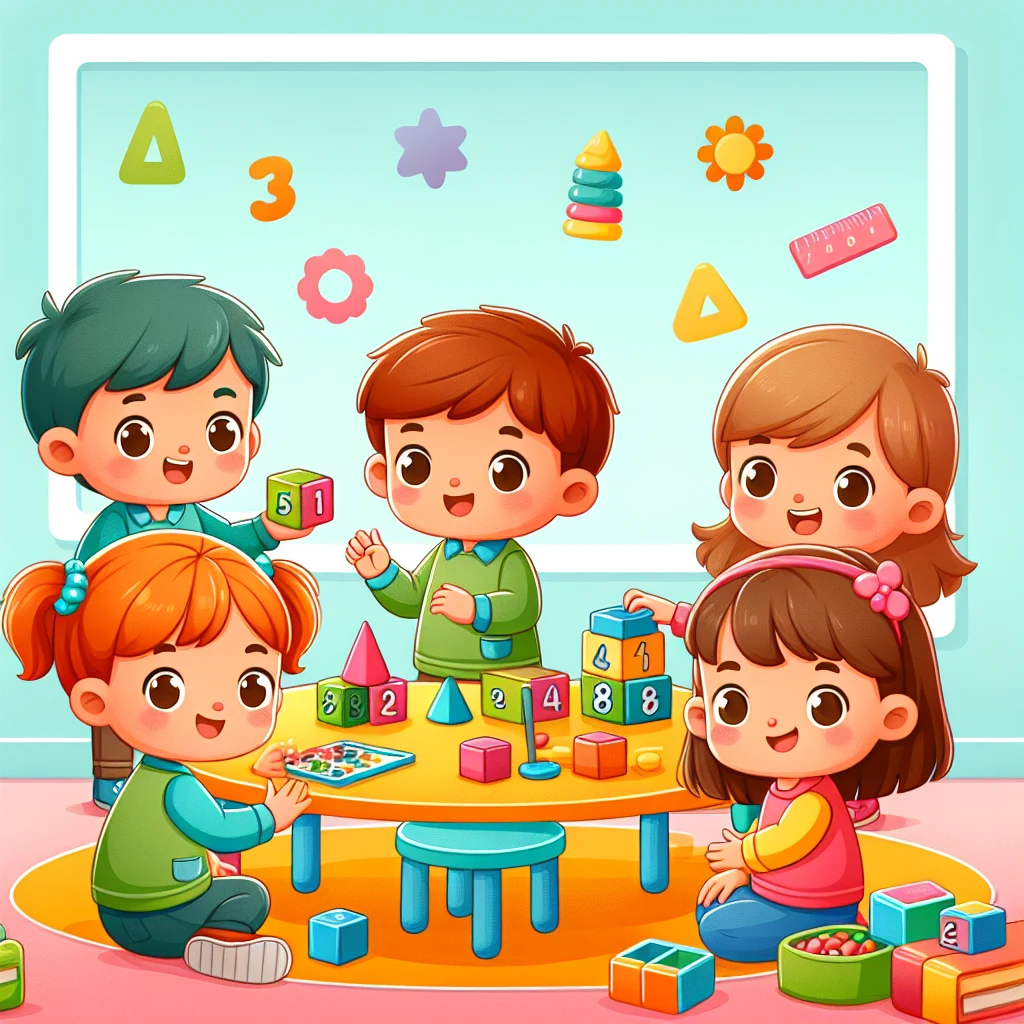
Kindergarten readiness assessments typically cover several key areas: language and literacy, math skills, social-emotional development, and physical well-being. Language skills include vocabulary, comprehension, and the ability to express ideas. Math skills often focus on basic counting and number recognition. Social-emotional development assesses a child's ability to interact with peers and manage emotions, while physical well-being considers health and motor skills.
How Assessments Are Conducted
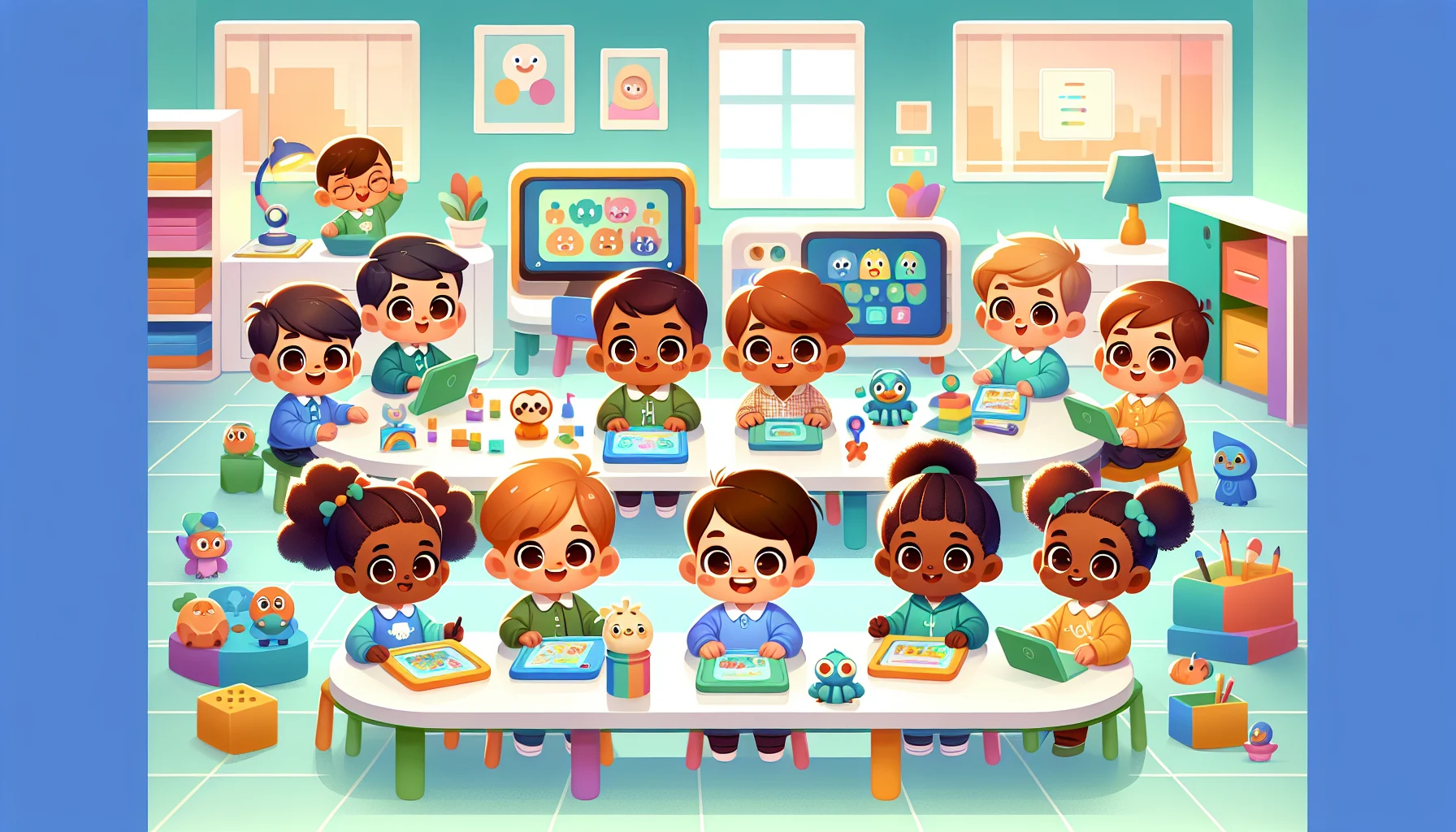
Readiness assessments are usually conducted through a combination of observational checklists, direct testing, and parent-teacher interviews. Teachers may use a variety of tools to evaluate skills, from interactive digital worksheets like our sight words practice to structured play activities that reveal social-emotional competencies. Below is a comparison of common assessment methods:
| Method | Focus Area | Tools Used | Source | Year |
|---|---|---|---|---|
| Observational | Social-emotional | Checklists, teacher observations | NAEYC | 2024 |
| Direct Testing | Language and Math | Worksheets, interactive activities | Harvard Education | 2025 |
| Interviews | Comprehensive | Parent and teacher interviews | Stanford Education | 2023 |
The Assessment Process
Preparing for Assessment
Preparation for kindergarten readiness assessment involves creating a supportive environment where children feel comfortable and confident. Teachers should ensure that the assessment process is as stress-free as possible, using familiar materials and settings. Engaging parents in the process can also be beneficial, as they provide valuable insights into a child's development outside of school.
Conducting the Assessment
Once preparations are complete, the actual assessment can take place. Teachers should aim to observe children in natural settings, using play-based activities to gauge skills in a non-intrusive manner. During my time in the classroom, I've found that children often demonstrate their abilities best when they are unaware they are being assessed.
Benefits of Readiness Assessment
Academic Benefits
The academic benefits of kindergarten readiness assessment are profound. By identifying areas where a child may need additional support, educators can tailor their teaching strategies to meet individual needs, thus enhancing the learning experience. According to research published by Reading Rockets, systematic early assessments can significantly boost literacy outcomes.
Social and Emotional Benefits
Beyond academics, readiness assessments also support social and emotional development. Understanding a child's emotional strengths and challenges allows teachers to create a more inclusive and supportive classroom environment. This holistic approach to readiness ensures that children are not only prepared academically but are also equipped to interact positively with peers and teachers.

Challenges and Considerations
Addressing Variability in Development
One of the primary challenges in readiness assessment is the variability in child development. No two children develop at the same rate, and assessments must be flexible enough to accommodate this diversity. Educators should be trained to recognize and respect developmental differences, ensuring that assessments are fair and inclusive.
Ensuring Cultural Responsiveness
Cultural responsiveness is another critical consideration in kindergarten readiness assessments. Assessments must be designed to be inclusive of all cultural backgrounds, avoiding biases that could disadvantage certain groups. According to the Council for Exceptional Children, culturally responsive assessments are essential for ensuring equity in education.
Future Trends in Kindergarten Readiness
Technological Advancements
The future of kindergarten readiness assessments is likely to be shaped by technological advancements. Digital tools and platforms, such as iBloom's AI-powered interactive worksheets, offer innovative ways to assess and support children's development. As technology continues to evolve, we can expect assessments to become more personalized and data-driven.
Implications for 2026 and Beyond
Looking ahead to 2026, the role of readiness assessments will continue to expand, with greater emphasis on early intervention and support. As research continues to highlight the importance of early childhood education, educators will increasingly rely on data from readiness assessments to inform their teaching practices and enhance educational outcomes.
Frequently Asked Questions (Schema Optimized)
What is kindergarten readiness assessment?
Kindergarten readiness assessment evaluates a child's preparedness for school, focusing on skills like literacy, numeracy, and social-emotional development.
Why is kindergarten readiness assessment important?
It's crucial for identifying learning gaps early on, allowing for tailored educational strategies that support a child's individual needs.
How can parents support kindergarten readiness at home?
Engage in activities like reading together, practicing counting, and encouraging play that develops social skills.
What age is appropriate for kindergarten readiness assessment?
Assessments are typically conducted for children aged 4-5, before they enter kindergarten, to gauge their developmental progress.
How do teachers measure progress in kindergarten readiness?
Through ongoing assessments and observations, teachers can track development in key areas such as literacy, numeracy, and social skills.
What challenges might arise during kindergarten readiness assessment?
Challenges include variability in development rates and ensuring assessments are culturally responsive and inclusive.
Conclusion
Kindergarten readiness assessment is an invaluable tool for educators and parents alike, providing insights into a child's development and helping to tailor educational strategies to meet individual needs. As we look towards 2026, the integration of technology in assessments will continue to enhance their effectiveness, ensuring that children are well-prepared for the challenges of school. To explore how iBloom can support your child's educational journey, start a free trial today. The future of education is bright, and readiness assessments are paving the way for success.
Practice This Skill Next
After reading this guide, children can practise the same skill on iBloom. Start with sight words practice, then ask the child to explain one answer before moving on.