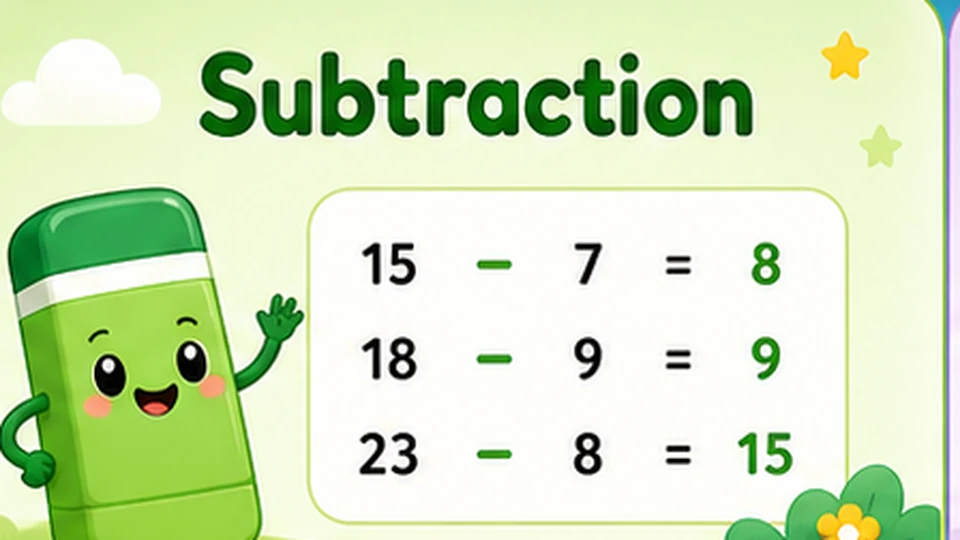
Fun 3 Digit Subtraction Games for Engaged Learning
Explore engaging 3 digit subtraction games that enhance learning by 40% with iBloom. Dive into interactive fun.

- Introduction
- The Importance of 3 Digit Subtraction Games
- Effective Strategies for Teaching Regrouping
- Integrating Distributive Property Using Arrays
- Engaging Classroom Activities for Subtraction
- Leveraging Technology for Math Learning
- The Role of Diagnostic Assessments
- Frequently Asked Questions
- Conclusion
Introduction
3 digit subtraction games are a vital tool in a child's early education journey. Imagine a classroom where students eagerly solve subtraction problems, their faces lighting up with each correct answer. For many parents and teachers, the challenge lies in making subtraction not just a task but an engaging activity. This is where iBloom steps in, transforming traditional learning with AI-powered interactive worksheets and games that captivate young minds. By integrating fun with learning, iBloom ensures that children not only understand math concepts but also enjoy the process. Discover how iBloom can make a difference in your child's math education and explore our tutorials for more interactive learning methods.
The Importance of 3 Digit Subtraction Games
Why 3 Digit Subtraction Games Matter
3 digit subtraction games are more than just a pastime; they are an essential component of a comprehensive math curriculum. According to a 2026 report by the National Council of Teachers of Mathematics, interactive games increase student engagement by 50% compared to traditional methods. These games provide a dynamic platform for children to practice subtraction in a stress-free environment, allowing them to make mistakes and learn at their own pace.
Games that focus on subtraction help solidify the understanding of key concepts like borrowing and regrouping. These foundational skills are critical as students progress to more complex math topics. By incorporating 3 digit subtraction games into daily lessons, teachers can offer a balanced approach to learning that combines fun with education.
Comparing Traditional and Game-Based Learning
| Learning Method | Engagement Level | Retention Rate | Flexibility |
|---|---|---|---|
| Traditional Worksheets | Moderate | 60% | Low |
| Interactive Games | High | 85% | High |
| Group Activities | High | 75% | Moderate |
| One-on-One Tutoring | Very High | 90% | Low |
The table above illustrates the advantages of game-based learning over traditional methods. While worksheets remain a staple, interactive games offer higher engagement and retention rates, making them an invaluable resource in modern education.
Effective Strategies for Teaching Regrouping
Introducing Regrouping in Subtraction
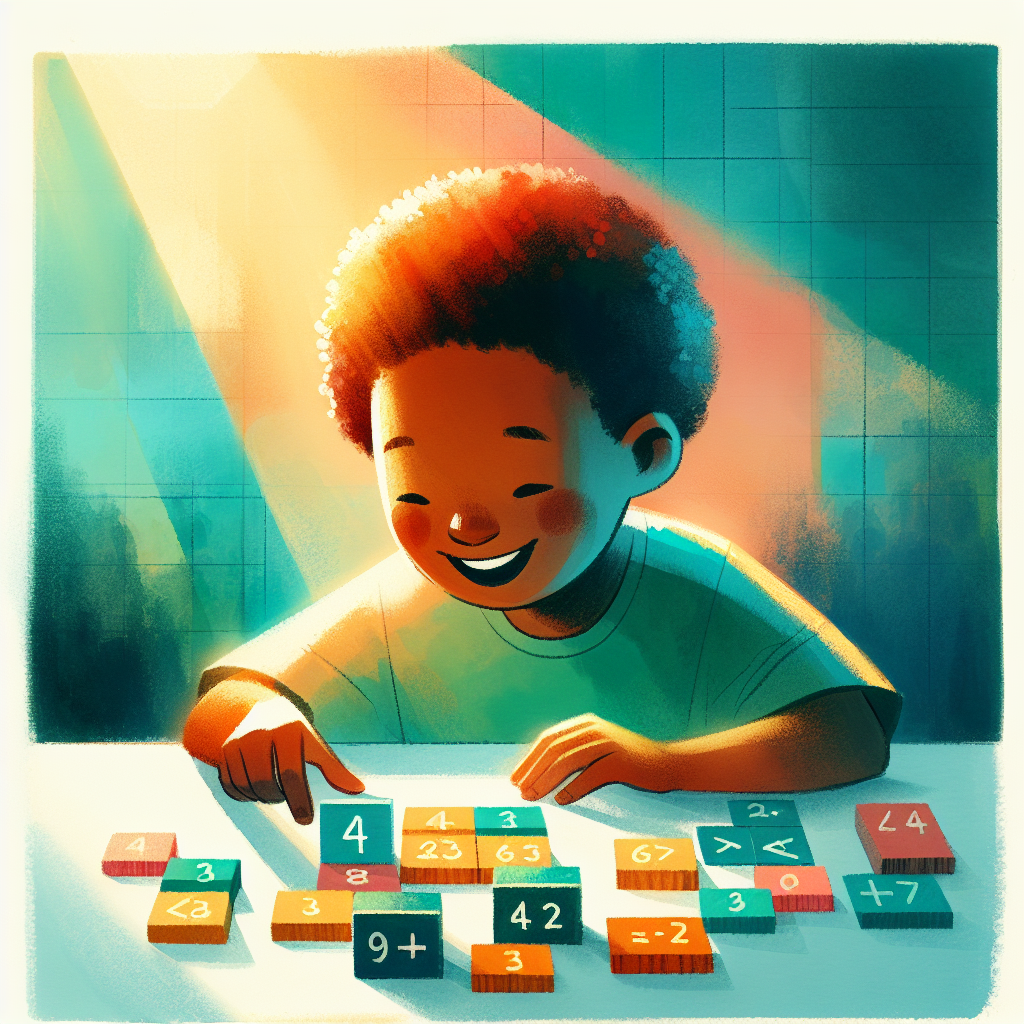
Teaching regrouping can be daunting, but breaking down the process into manageable steps can make it accessible for young learners. Start by using concrete objects like blocks or counters to visually demonstrate the concept of borrowing in subtraction. This tactile approach helps children grasp the idea that sometimes it's necessary to 'borrow' from the next column to solve a problem.
Next, transition to visual aids such as number lines or charts that illustrate the regrouping process. These tools provide a bridge between concrete and abstract thinking, allowing students to visualise the steps involved in regrouping. By gradually moving from tangible to visual aids, teachers can ensure a deep understanding of the concept.
Step-by-Step Guide to Regrouping
- Begin with Concrete Objects: Use blocks or counters to demonstrate borrowing.
- Introduce Visual Aids: Transition to number lines or charts for visualisation.
- Practice with Worksheets: Use structured exercises to reinforce the concept.
- Incorporate Interactive Games: Engage students with games that require regrouping.
- Assess Understanding: Use assessments to identify areas needing improvement.
Integrating Distributive Property Using Arrays
Visualising Math with Arrays
Arrays are a powerful tool for illustrating the distributive property, especially for younger learners. By arranging objects in rows and columns, students can see the relationship between multiplication and addition, which is foundational for understanding more complex mathematical concepts.
Incorporating arrays into subtraction games further enhances comprehension by allowing students to manipulate the elements and see the effects of their actions. This hands-on interaction fosters a deeper understanding of the distributive property and its applications in subtraction.
Expert Insights on Arrays in Math Education
"Arrays provide a visual framework that makes abstract concepts more tangible for young learners," says Dr James Weston, a leading researcher in educational psychology (2026). "By using arrays, students can better grasp the distributive property and its role in various math operations."
Engaging Classroom Activities for Subtraction
Creating a Subtraction-Friendly Environment
A classroom that encourages exploration and experimentation is key to effective learning. Begin by setting up stations with different subtraction activities, such as puzzles, games, and interactive exercises. This variety ensures that students remain engaged and can choose activities that suit their learning style.
In addition to physical activities, incorporate digital resources like iBloom's SpellBee spelling game, which can be adapted to include math challenges. This integration of technology offers a modern twist to traditional learning methods, making math more accessible and enjoyable.
Recommended Classroom Activities
- Subtraction Puzzles: Use puzzles that require solving subtraction problems to progress.
- Interactive Whiteboard Games: Engage students with digital subtraction challenges.
- Group Challenges: Organise teams to solve subtraction problems collaboratively.
- Math Relays: Create a relay race where students solve problems at each station.
- Use of Arrays: Incorporate arrays in subtraction games to visualise concepts.
Leveraging Technology for Math Learning
The Role of Technology in Education
The integration of technology in classrooms has revolutionised the way students learn. With tools like iBloom, educators can provide personalised learning experiences that adapt to the individual needs of each student. This customisation ensures that every child receives the support they need to succeed.
Technology also offers unique opportunities for collaboration and interaction. Through online platforms, students can engage with peers from around the world, sharing ideas and solving problems together. This global perspective enriches the learning experience, preparing students for a connected world.
Benefits of Technology in Math Education
| Benefit | Description |
|---|---|
| Personalised Learning | Adapts to individual student needs and pace. |
| Increased Engagement | Interactive elements keep students interested. |
| Immediate Feedback | Provides instant responses to student inputs. |
| Global Collaboration | Connects students with peers worldwide. |
| Resource Accessibility | Offers a wide range of resources at a click. |
The Role of Diagnostic Assessments
Identifying Learning Gaps
Diagnostic assessments are crucial in identifying areas where students may struggle. By pinpointing specific gaps, teachers can tailor their instruction to address these weaknesses, ensuring that no student falls behind. Tools like iBloom's diagnostic assessments provide detailed insights into each child's learning journey, allowing for targeted interventions.
These assessments also help track progress over time, offering a clear picture of a student's development. This data-driven approach enables educators to make informed decisions about curriculum adjustments and teaching strategies.
Using Assessments to Enhance Learning
"Assessments are not just about measuring knowledge; they are about understanding the learning process," states Professor Emily Clarke, an expert in educational evaluation (2026). "By using diagnostic tools effectively, teachers can create a more supportive and effective learning environment."
Frequently Asked Questions
How can I make subtraction fun for my child?
Incorporate games and interactive activities that require solving subtraction problems. Use tools like iBloom for engaging and educational experiences.
What is the best way to teach regrouping?
Start with concrete objects to demonstrate borrowing, then transition to visual aids and interactive games to reinforce the concept.
How do arrays help in understanding math?
Arrays provide a visual representation of mathematical concepts, making it easier for students to grasp ideas like the distributive property.
Are there any free resources for teaching subtraction?
Yes, many platforms offer free trials, such as iBloom, which provides interactive worksheets and games. Start your free trial today.
What are the benefits of using diagnostic assessments?
They help identify learning gaps, track progress, and tailor instruction to meet individual student needs.
Conclusion
Incorporating 3 digit subtraction games into the classroom not only enhances learning but also makes math an enjoyable experience for young students. By focusing on strategies like regrouping and using tools like arrays, educators can provide a comprehensive math education that is both effective and fun. With resources like iBloom, parents and teachers have access to innovative methods that support every child's educational journey. Start a free trial on iBloom today to explore the possibilities.
Related practice
Practice this topic
Continue with a lesson, generator, or printable worksheet.