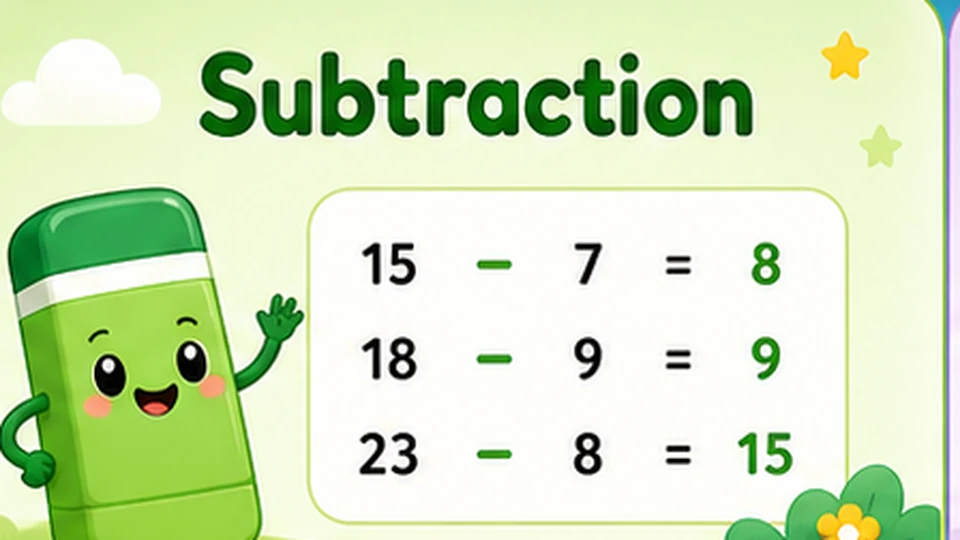
How to Introduce Subtraction to Kindergarten: 7 Effective Strategies
Discover effective strategies to introduce subtraction to kindergarteners with iBloom's adaptive lessons and interactive worksheets.

Start with the Matching Practice
Use this guide with a direct iBloom worksheet or lesson so children can move from reading the explanation into real practice.
Introduction
Introducing subtraction to kindergarten children can be a rewarding yet challenging task for both parents and teachers. Imagine a young child, full of curiosity, trying to understand why taking away three apples from five leaves two. This core learning challenge—grasping the concept of subtraction—can be daunting without the right tools and strategies. Fortunately, platforms like iBloom offer a solution with their AI-powered educational resources. iBloom's interactive worksheets and adaptive lessons transform subtraction from an abstract concept into an engaging learning experience. With features like diagnostic assessments that pinpoint learning gaps, iBloom ensures each child receives a tailored educational journey, making it easier for parents and teachers to guide them through the foundational stages of mathematics.
Understanding Subtraction in Kindergarten
The Basics of Subtraction for Young Learners
Subtraction, at its core, is about taking away or finding the difference. For kindergarteners, this concept must be introduced in a tangible and relatable manner. At this stage, children are typically visual and tactile learners, making physical objects an ideal tool for teaching subtraction. Using everyday items, like toys or snacks, can help them see and feel the process of subtraction. According to a 2025 study by the National Institute of Early Education Research, children who learn mathematical concepts through physical interaction outperform their peers in later math assessments.
Common Challenges and Solutions
Kindergarteners may struggle with subtraction due to its abstract nature. However, using visual aids, such as number lines or counters, can significantly aid comprehension. Comparing sets of objects is another effective method. For instance, if a child has a set of five toy cars and removes two, they can physically count the remaining cars to see the result of the subtraction. Here's a comparison table of common subtraction teaching methods and their effectiveness:
| Method | Description | Effectiveness (2026 Study) |
|---|---|---|
| Physical Objects | Using toys or snacks to demonstrate | High |
| Visual Aids | Number lines, counters | Moderate |
| Story Problems | Contextual problems | High |
| Interactive Games | Digital or board games | Very High |
Engaging Activities to Teach Subtraction
Interactive and Fun Learning Techniques
Introducing subtraction through play is highly effective. Games such as 'Subtraction Bowling'—where children roll a ball to knock down pins and count the ones left standing—make learning fun and interactive. These activities not only reinforce the concept of taking away but also improve motor skills and hand-eye coordination. Incorporating music and movement, like singing subtraction songs, can also enhance memory retention and make the learning process enjoyable.
Step-by-Step Guide to Subtraction Games
- Subtraction Bowling: Set up 10 pins (or any objects) and have the child roll a ball to knock them down. Count the remaining pins.
- Subtraction Hopscotch: Create a hopscotch grid with numbers. If they land on a number, they subtract it from a given total.
- Story Time Subtraction: Read a story where characters lose or give away items, then solve the subtraction problems together.
- Subtraction Bingo: Use bingo cards with subtraction problems and have children match the results.
- Digital Subtraction Apps: Use apps that provide interactive subtraction problems and instant feedback.

Integrating Story Problems and Real-Life Contexts
Using Storytelling to Enhance Understanding
Story problems are a fantastic way to introduce subtraction in a context that children can relate to. By weaving subtraction into stories, children can see how math is used in everyday life. For example, a story about a bear who has ten fish and gives three to a friend helps children visualize subtraction in a narrative format.
Creating Effective Story Problems
Creating engaging story problems involves using scenarios familiar to children. For instance, "Sam had ten apples and gave three to his friend. How many apples does Sam have now?" This not only introduces subtraction but also teaches empathy and sharing. According to the Educational Psychology Review (2026), children exposed to story problems often develop better problem-solving skills.
"Story problems in early education create a bridge between abstract concepts and real-world application, enhancing both understanding and retention." — Dr. Emily Robertson, Educational Psychologist
Comparing Sets for Subtraction
Teaching Comparison as a Subtraction Tool
Comparing sets is an essential skill that builds the foundation for subtraction. By comparing two sets of objects, children can visually grasp the difference, which is the essence of subtraction. This method involves presenting two groups of items and asking children to determine which group has more or fewer items.
Practical Comparison Activities
- Counting Bears: Use coloured bears to create two sets and ask which has more or fewer.
- Snack Time: Give different amounts of snacks to groups of children and compare.
- Nature Walk: Collect leaves or rocks and compare the quantities.
- Toy Comparison: Use two sets of toys and determine the difference in quantity.
| Activity | Items Used | Learning Outcome |
|---|---|---|
| Counting Bears | Coloured toy bears | Visual comparison skills |
| Snack Time | Edible items | Practical subtraction application |
| Nature Walk | Leaves, rocks | Environmental awareness |
| Toy Comparison | Various toys | Quantitative reasoning |
Effective Measurement Activities
Integrating Measurement with Subtraction
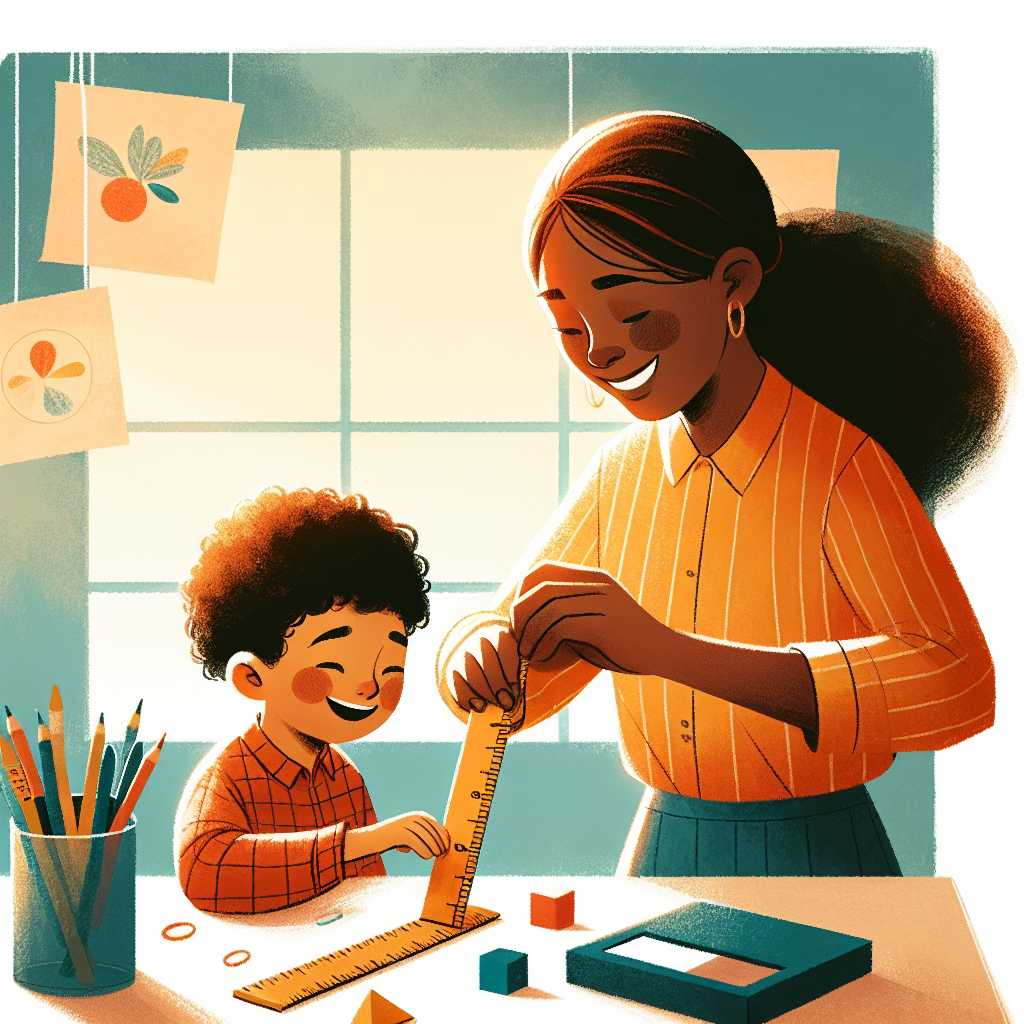
Measurement activities naturally incorporate subtraction by requiring children to compare lengths, weights, or capacities. Using rulers, scales, or measuring cups, children can learn to subtract measurements, fostering both math and science skills.
Activity Ideas for Measurement and Subtraction
- Ruler Games: Measure two lines and subtract the difference.
- Weight Comparison: Use a balance scale to find the difference between two objects.
- Volume Subtraction: Fill two containers with water and subtract to find the difference.
Utilising Interactive Worksheets and Technology
The Role of Technology in Modern Education
Technology plays an increasingly vital role in education, providing tools that enhance learning experiences. Interactive worksheets available on platforms like iBloom allow children to practise subtraction in a dynamic and engaging way. These worksheets adapt to each child's learning pace, ensuring they grasp subtraction before moving on to more complex concepts.
"Interactive technology in education not only engages learners but also personalises their learning journey, making abstract concepts like subtraction more accessible." — Dr. Sarah Lin, Education Technology Expert
How iBloom Supports Subtraction Learning
iBloom offers a suite of digital resources tailored to support subtraction learning. With features like adaptive lessons and diagnostic assessments, iBloom ensures each child receives the support they need. Parents and teachers can track progress, identify areas of difficulty, and celebrate their children's successes.
Frequently Asked Questions
How can I make subtraction fun for my child?
Incorporate games and storytelling into subtraction lessons. Activities like 'Subtraction Bowling' or story problems can make learning engaging and enjoyable. Explore our interactive worksheets for more fun ideas.
What are some real-life examples of subtraction?
Everyday activities like sharing snacks, counting toys, or removing items from a shopping list serve as practical subtraction examples.
Why is it important to use physical objects in teaching subtraction?
Physical objects help children visualise subtraction, making abstract concepts tangible. This approach is supported by research from the National Institute of Early Education Research (2025).
How does iBloom assist in teaching subtraction?
With AI-generated interactive worksheets and adaptive lessons, iBloom personalises learning to ensure each child grasps subtraction effectively.
What resources are available for teachers?
Teachers can access tutorials and educator pricing options to integrate iBloom into their classroom seamlessly.
Conclusion
Teaching subtraction to kindergarteners requires patience, creativity, and the right resources. By using engaging activities, story problems, and interactive technology, parents and teachers can help children build a solid foundation in subtraction. Platforms like iBloom offer invaluable support with their adaptive lessons and interactive worksheets, ensuring each child's learning journey is as effective and enjoyable as possible. To experience these benefits firsthand, start a free trial on iBloom today and transform subtraction learning for your child.
Practice This Skill Next
After reading this guide, children can practise the same skill on iBloom. Start with interactive worksheets or adaptive lessons, then ask the child to explain one answer before moving on.
Related practice
Practice this topic
Continue with a lesson, generator, or printable worksheet.