Math Fact Fluency Practice for 2nd Grade
Math Fact Fluency Practice for 2nd Grade with direct iBloom worksheet and lesson links, clear parent guidance, teacher routines, examples, and FAQs.
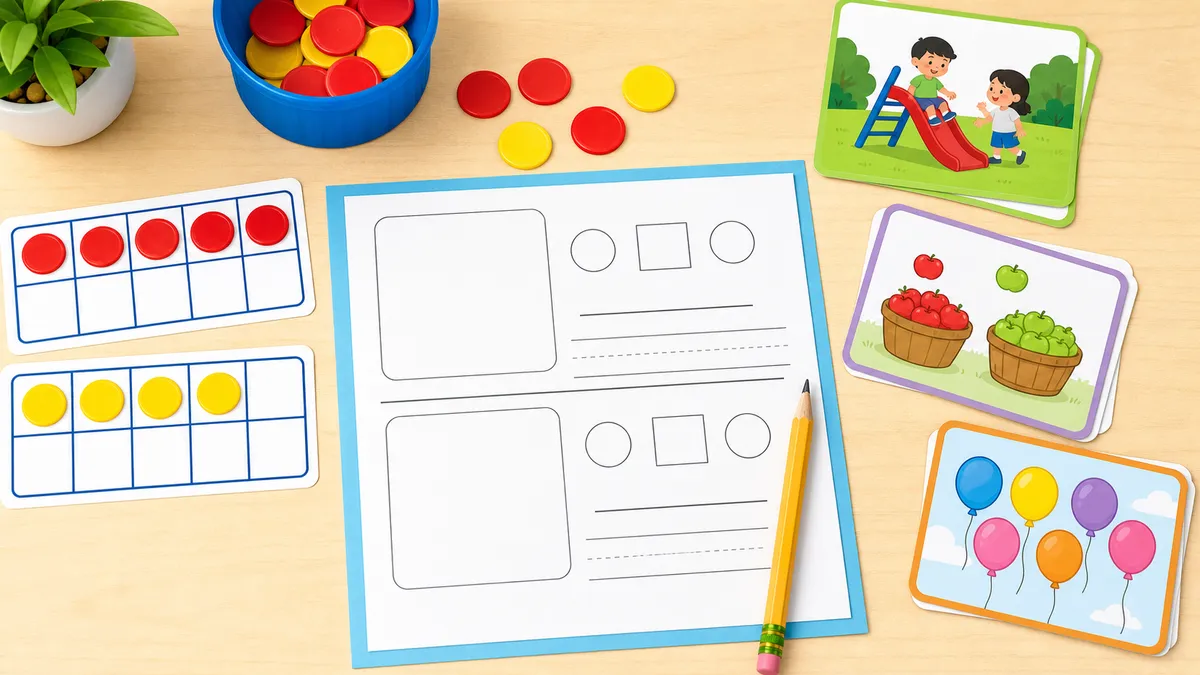
Use this guide when a second grader needs stronger addition and subtraction fact fluency without rushing or guessing. Start with the worksheet or lesson below, then use the routine in this article to build accuracy, strategy, and confidence.
Start Here: Worksheets And Lessons
Open one iBloom practice page first. Use the article below when you need a teaching routine, parent script, classroom plan, or FAQ help.
Worksheets
Lessons
How To Use These Links
Choose a worksheet when the child is ready to practise after a quick model. Choose a lesson when the child needs the skill explained first, when you are introducing the topic, or when a parent or teacher wants language for teaching the first example.
A simple order works well: open the lesson if the skill is new, model one item, move to the worksheet for a short practice set, and finish by asking the child to explain one answer. If the child is already confident, begin with the worksheet and use the lesson only for review or correction.
For home practice, stop after one accurate explanation. For classroom use, listen to two or three student explanations before assigning more items. For tutoring or intervention, write down the exact mistake pattern you heard, then choose the next iBloom page based on that need.
Table of Contents
Key Takeaways
- Start with one addition or subtraction practice page.
- Ask for the strategy, not just the answer.
- Use models such as ten-frames, number lines, or regrouping language when needed.
- Keep fact practice short and frequent.
- Move toward speed only after the child can explain the thinking.
Why This Topic Matters Now
Second grade math fact fluency matters because children use it inside larger addition, subtraction, place value, and word-problem work. Practice should build automaticity, but it should not train children to guess quickly.
Searchers looking for this topic usually want something practical: examples, worksheet guidance, classroom language, parent routines, and links to something a child can actually do. This guide is written for that need. It gives the adult enough structure while keeping the child's task simple.
US Curriculum Fit
US-primary: Common Core Math grade 2 operations, fact strategies, addition/subtraction fluency. For US searchers, curriculum language matters. A parent may search by grade level, while a teacher may search by Common Core strand, intervention skill, small-group need, or worksheet type. This guide uses US grade naming and practical classroom terms so the page fits how US families and teachers search.
For Common Core-aligned topics, adults should connect the worksheet to a visible skill: decoding, fluency, comprehension, vocabulary, operations, place value, addition/subtraction strategies, or explanation. Use the official standards as a planning reference, but keep the child's task concrete. A second grader does not need to hear a long standard code; they need to know what to notice, what to do, and how to explain the answer.
This guide can support classrooms and homes across California, Texas, Florida, New York, Illinois, Pennsylvania, Ohio, Georgia, North Carolina, Michigan, Los Angeles, Houston, Chicago, Phoenix, Philadelphia, Dallas, Austin, Seattle, Boston, Denver, Atlanta, and Miami. The city and state context is not the lesson; it simply reflects that US families and teachers often search for grade-level support from many local school contexts.
Start With iBloom Practice
If you skipped the top links, start with one of these now. Model one item, let the child try a small set, and ask for one explanation.
Teaching Routine
- Name the skill. Say exactly what the child is practising.
- Model one item. Work slowly and make the hidden thinking visible.
- Ask for noticing. Let the child point to the sound, clue, word, number, operation, or text evidence.
- Guide one attempt. Give feedback during the work, not only after the final answer.
- Ask for an explanation. A one-sentence explanation is enough for many learners.
- Assign a short independent set. Keep it small enough to finish accurately.
- Review one mistake. Correct the thinking pattern, not just the answer.
Examples And Prompts
| Step | What to do |
|---|---|
| Model first | Show one item slowly and say the thinking aloud before children work independently. |
| Guided try | Ask the child to complete one matching item while you watch the strategy, not only the answer. |
| Explain | Have the child say, write, point, or draw why the answer makes sense. |
| Review | Return to one missed item and correct it with a simpler model. |
Useful prompts:
- What do you notice first?
- Which clue or strategy helped you?
- Can you prove the answer with a word, sound, number, model, or sentence?
- What answer would not make sense?
- Can you make a similar question for me?
Parent Routine
Parents can use this topic in a ten-minute home session. Start with one iBloom page. Read the instruction aloud. Model the first item. Let the child try two or three items. Ask for one explanation. Stop before the child is tired.
A strong parent line is: "Show me how you know." That shifts the focus from speed to thinking. If the child cannot explain, return to the model. If the child explains well, open the related lesson or worksheet later for a second short round.
Teacher Routine
Teachers can use this as a small-group routine, intervention station, warm-up, center activity, homework support link, or exit check. The key is to connect the worksheet to a strategy. Students should know whether they are decoding, reading for evidence, using a math fact strategy, regrouping, comparing, or explaining vocabulary.
For a classroom group, model one item on the board, then let students complete one iBloom item independently. Listen to two explanations before moving on. This gives you more useful information than checking ten silent answers.
Differentiation And Intervention
For students who need support, reduce the choice load and add a concrete model. For students who are ready for challenge, ask them to write a new item, explain a mistake, or connect the skill to a word problem or short passage.
In RTI-style or intervention contexts, use short repeated sessions. The goal is not to make the child complete a large packet. The goal is to make the strategy automatic enough that the child can use it in a new passage, problem, or worksheet.
Common Mistakes
- The child guesses from a familiar-looking answer.
- The child completes the page but cannot explain the thinking.
- The adult assigns too many items before modelling the first one.
- The worksheet is disconnected from the lesson or strategy.
- The child practises after fatigue begins, which creates avoidable errors.
When one of these happens, stop and reteach one item. Short correction is better than a long frustrated session.
External Planning Sources
Frequently Asked Questions
Is this article for US teachers or parents?
Both. It is written for US search intent, including grade-level worksheet searches, Common Core language where relevant, and practical home or classroom routines.
How long should practice take?
Five to ten minutes is enough for most home sessions. Teachers can use the same routine as a short small-group station.
Should children complete every worksheet item?
Not always. Accuracy and explanation matter more than finishing a long set. Start small, then add more when the child can explain the strategy.
How does this support Common Core?
It connects the page to grade-level skills such as phonics, reading comprehension, vocabulary, operations, place value, fluency, or evidence-based explanation. Use the official standards for planning and iBloom for direct practice.
What should we do next?
Open one related iBloom practice page above, complete a short round, and ask the child to explain one answer.
Extra Practice Plan
Use a three-day cycle. Day one is modelling and guided practice. Day two is short independent work with one explanation. Day three is review, correction, and transfer to a new example. This keeps the skill active without turning practice into a long packet.
For families, the same three-day cycle can be spread across a week. For teachers, it can be a Monday-Wednesday-Friday routine or a small-group rotation. For tutors, it works as a warm-up before a longer lesson. The adult should keep notes on which prompt helped: pointing to evidence, drawing a model, saying a sound, using a number line, or rereading the sentence. Those notes make the next session more precise.