The Ultimate Guide to Spelling Bee Games & Practice
Discover the ultimate guide to mastering spelling bee games. Engage children with exciting activities and expert tips using iBloom.

Start with the Matching Practice
Use this guide with a direct iBloom worksheet or lesson so children can move from reading the explanation into real practice.
Introduction
Imagine your child confidently participating in a spelling bee, words rolling off their tongue with ease. For many parents and teachers, the challenge lies in making spelling practice engaging and effective. The solution? Spelling games spelling bee activities that captivate young minds. These games not only make learning enjoyable but also provide essential spelling bee help, ensuring children are well-prepared for any contest. At iBloom, our AI-powered platform transforms spelling practice with interactive tools like the SpellBee game, making learning a delightful experience. Explore our interactive worksheets to further enrich your child's learning journey.
Understanding Spelling Bee Games
What Makes a Spelling Bee Game Effective?
Spelling bee games are designed to engage children in a fun and educational way. These games challenge students to think critically and improve their vocabulary. According to a 2026 study by the National Literacy Trust, children who regularly engage in spelling games show a 30% increase in vocabulary retention. The key is to create a balance between learning and play, ensuring that children remain motivated and interested.
How Do Spelling Bee Games Compare?
| Game Type | Age Group | Benefits | Challenges |
|---|---|---|---|
| SpellBee | 5-11 years | Enhances vocabulary | Requires supervision |
| Letterboxed | 7-11 years | Improves problem-solving | Limited word pool |
| Word Finder | 8-11 years | Boosts memory retention | Can be repetitive |
| Honeycomb | 5-10 years | Develops pattern recognition | Complexity increases |
Benefits of Spelling Games for Children
Cognitive and Language Development
Spelling games are more than just fun; they are a tool for cognitive development. These games enhance children's language skills by introducing them to new words and concepts. A 2024 report by the Educational Development Center highlights that children engaging in spelling games score higher in language assessments.
How to Implement Spelling Games in Daily Routines
- Set a Schedule: Dedicate a specific time each day for spelling games.
- Choose Age-Appropriate Games: Select games that match your child's age and skill level.
- Incorporate into Homework: Use games as a fun break during homework sessions.
- Reward Progress: Offer small rewards to motivate continued participation.
- Use Technology: Integrate platforms like iBloom for interactive learning.

How to Practise for a Spelling Bee
Creating a Structured Practice Plan
Developing a structured practice plan is crucial for spelling bee success. Start by identifying your child's strengths and weaknesses. Then, allocate time for focused practice on challenging words. Use diagnostic tools like iBloom's assessments to tailor the practice sessions to your child's needs.
Expert Tips for Effective Practice
- Diversify Practice Methods: Use a mix of oral, written, and digital exercises.
- Engage in Group Practice: Practising with peers can simulate a real spelling bee environment.
- Utilise Online Resources: Platforms like iBloom offer a range of spelling activities to support learning.
- Monitor Progress: Keep track of improvements and adjust the practice plan accordingly.
“Research by the British Council (2025) shows that varied practice methods enhance learning by 40%.”
Integrating Technology into Spelling Practice
The Role of AI in Personalised Learning
AI technology has revolutionised the way children learn. Platforms like iBloom use AI to adapt to each child's learning pace, providing personalised feedback and recommendations. A study by EdTech Magazine (2026) found that AI-driven learning tools increase student engagement by 50%.
Benefits of Using iBloom's AI-Powered Tools
| Feature | Benefit | Impact |
|---|---|---|
| Interactive Worksheets | Customised learning paths | Improved retention |
| SpellBee Game | Engaging spelling practice | Enhanced vocabulary |
| Diagnostic Assessments | Identify learning gaps | Targeted interventions |
| Adaptive Lessons | Tailored content delivery | Personalised experience |
Choosing the Right Spelling Game
Factors to Consider
Selecting the right spelling game involves considering several factors. Age appropriateness, educational value, and engagement level are crucial. Look for games that offer a mix of challenge and fun, ensuring that children remain motivated.
Evaluating Game Effectiveness
To determine a game's effectiveness, observe your child's engagement and progress. Games that adapt to a child's skill level, like those offered by iBloom, provide valuable feedback and adjust difficulty accordingly. This adaptability ensures that children are constantly challenged without feeling overwhelmed.
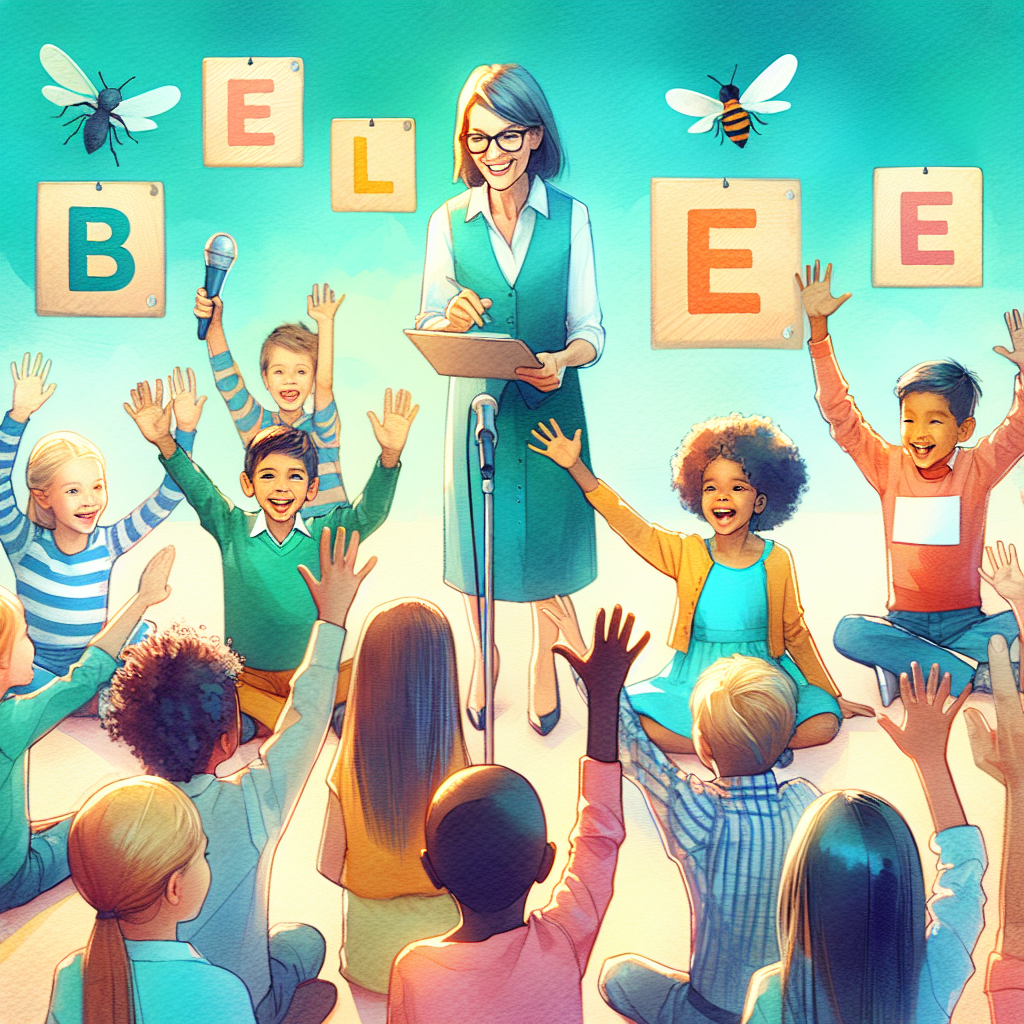
Enhancing Spelling Skills with iBloom
How iBloom Transforms Spelling Practice
iBloom's AI-powered tools offer a unique approach to spelling practice. By providing interactive and adaptive learning experiences, iBloom ensures that each child receives the support they need to excel. Our free trial allows you to explore these tools firsthand.
Success Stories and Testimonials
Many parents and teachers have witnessed significant improvements in their children's spelling skills using iBloom. As one teacher puts it, “iBloom's tools have transformed my classroom, making learning both fun and effective.”
Frequently Asked Questions
How can I make spelling practice enjoyable for my child?
Incorporate games and technology into practice sessions. Platforms like iBloom offer engaging tools that make spelling fun.
What is the best age to start spelling bee practice?
Children as young as five can begin with simple spelling games, gradually progressing to more complex activities as they grow.
How do I track my child's progress in spelling?
Use iBloom's diagnostic assessments to monitor progress and identify areas for improvement.
Can technology replace traditional spelling practice methods?
Technology complements traditional methods, offering interactive and adaptive learning experiences that enhance traditional practice.
Are spelling bee games beneficial for adults?
Yes, spelling games can improve vocabulary and cognitive skills in adults, making them a valuable tool for lifelong learning.
Conclusion
Spelling games and activities are an essential part of developing strong language skills in children. By integrating technology and innovative tools like those offered by iBloom, parents and teachers can create a supportive and engaging learning environment. To experience the benefits firsthand, start a free trial on iBloom today and transform spelling practice into an exciting adventure.
Practice This Skill Next
After reading this guide, children can practise the same skill on iBloom. Start with interactive worksheets, then ask the child to explain one answer before moving on.
Worksheet And Lesson Previews
Describe daily routines Worksheets for Pre Kindergarten Preview
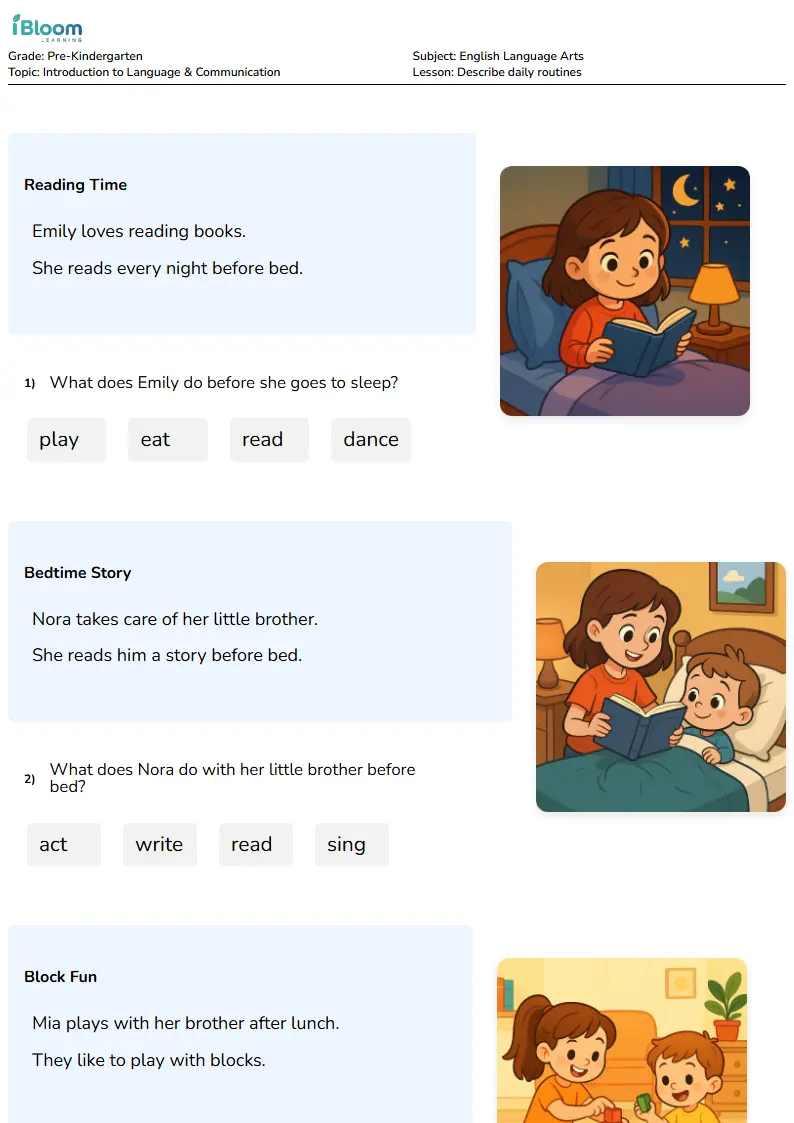
Use this preview to see the kind of practice children will open before you start the routine.