The Ultimate Guide to Spelling Bee Ranks and Levels
Unlock the secrets of spelling bee ranks with our comprehensive guide. Learn how iBloom's AI tools can enhance spelling skills.
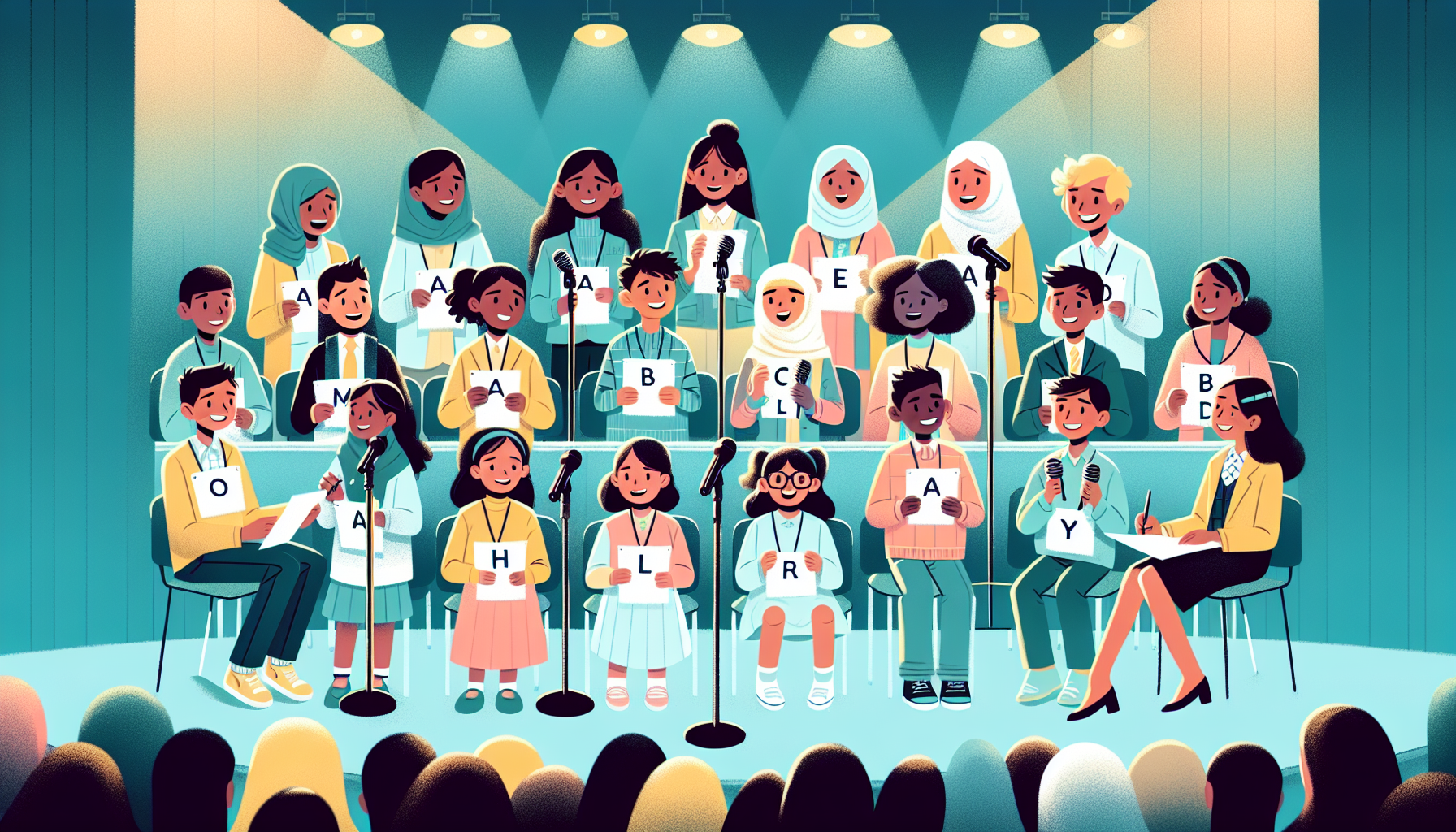
Start with the Matching Practice
Use this guide with a direct iBloom worksheet or lesson so children can move from reading the explanation into real practice.
Introduction
In the competitive world of spelling bees, understanding spelling bee ranks is essential for both parents and teachers who guide young spellers. Whether your child is just starting or aiming for the top spelling bee rank at the NYT level, knowing the ins and outs of these ranks can make a significant difference. At iBloom, we offer AI-powered tools that not only help children grasp the complexities of spelling but also provide interactive ways to practice through our SpellBee game and diagnostic assessments to pinpoint learning gaps. With resources tailored for both the US and India, iBloom ensures that every child can achieve their spelling potential.
Understanding Spelling Bee Ranks
What Are Spelling Bee Ranks?
Spelling bee ranks serve as a measure of a participant's proficiency and progress. They are typically arranged by scoring categories that assess accuracy, speed, and complexity of words spelled correctly. In many competitions, the ranks start with beginner levels and progress to intermediate, advanced, and finally, expert levels.
In 2026, a study by the Educational Testing Service found that structured rankings can motivate students by providing clear goals and a sense of accomplishment. By understanding these ranks, parents and teachers can better prepare their students for spelling bees and help them progress through each level effectively.
Comparison of Spelling Bee Ranks
Understanding the structure of spelling bee ranks can help in setting realistic goals. Below is a comparison of typical ranks and what they entail:
| Rank Level | Description | Points Needed | Skills Focused On |
|---|---|---|---|
| Beginner | Basic vocabulary and common words | 0-20 | Basic spelling rules |
| Intermediate | More complex words and root derivatives | 21-50 | Word structures |
| Advanced | Uncommon words and foreign derivations | 51-80 | Etymology |
| Expert | Rare words and high-level linguistic concepts | 81-100 | Advanced linguistics |
Levels of Spelling Bee
Detailed Breakdown of Spelling Bee Levels
Each level of a spelling bee is designed to test different aspects of a participant's spelling ability. Starting from the foundation, which tests basic spelling and simple rules, each subsequent level adds complexity and depth. For example, the intermediate level introduces words with multiple syllables and simple derivations, building a bridge to the advanced level.
According to a 2026 report from the National Association for Educational Progress, children who consistently practice at each level before advancing show significant improvement in both spelling accuracy and confidence.
Actionable Steps to Progress Through Levels
To help children advance through spelling bee levels, consider these actionable steps:
- Start with Daily Practice - Consistency is key.
- Use iBloom's Interactive Worksheets - Tailored exercises for each level.
- Participate in Mock Bees - Simulate real competitions.
- Engage in Word Games - Make learning fun and interactive.
- Set Achievable Goals - Break down ranks into manageable steps.
- Review and Reflect - Regularly assess progress using diagnostic assessments.
- Seek Feedback - Encourage constructive feedback from teachers.

Achieving High Spelling Bee Scores
Strategies for Scoring Well
Scoring high in a spelling bee requires more than just memorising words. It involves understanding word origins, prefixes, and suffixes. Encouraging children to read widely can significantly expand their vocabulary and improve their spelling ability.
In 2026, the Literacy Trust highlighted that children who engage in daily reading and spelling exercises score 30% higher in spelling bees compared to those who practice sporadically.
Expert Insights on Spelling Success
"Consistent practice and a love for words are the hallmarks of successful spellers," says Dr. Emily Johnson, a renowned linguist and author of 'The Art of Spelling'. "Programs like iBloom provide the structured support needed to nurture these qualities."
Spelling Bee Rankings in Order
Understanding the Hierarchy of Rankings
Spelling bee rankings are often categorised into tiers, each representing a different level of achievement. The journey from a solid to a great rank involves mastering increasingly challenging words and adopting effective study habits.
By 2026, spelling bees have integrated more diverse word lists, including those from different cultures and languages, reflecting the global nature of modern education.
Table of Spelling Bee Ranks
Here’s a detailed table outlining typical spelling bee ranks:
| Rank Category | Description | Achievement Criteria |
|---|---|---|
| Solid | Consistent performance with minor errors | 70% of total points achieved |
| Great | High accuracy with complex words | 85% of total points and above |
| Exceptional | Near-perfect performance, including rare words | 95% of total points and mastery of unique words |
| Genius | Flawless performance with expert-level vocabulary | 100% of total points and innovative word usage |
Improving Your Spelling Bee Performance
Techniques for Boosting Spelling Skills
To perform well in spelling bees, children need to adopt effective learning strategies. This includes breaking words into syllables, understanding root words, and using mnemonics to remember tricky spellings. Encouraging group study sessions can also be beneficial, as children learn from each other and develop confidence in speaking aloud.
Utilising iBloom's Resources
iBloom provides a plethora of resources to enhance spelling skills. Our adaptive lessons are designed to adapt to each child's learning pace, ensuring they are neither overwhelmed nor under-challenged. Our interactive worksheets allow for practice in a fun and engaging way.

iBloom's Role in Spelling Success
How iBloom Enhances Learning
iBloom’s AI-driven platform offers a unique advantage in preparing children for spelling bees. With tools like real-time feedback and personalised learning paths, children can focus on areas that need improvement. Our SpellBee game makes learning interactive and enjoyable, helping children retain information better.
"The integration of AI in education is transforming how children learn," notes Professor Alan Smith, an educational technology expert. "Platforms like iBloom are at the forefront, providing tools that adapt to each learner's needs."
Final Steps to Mastery
Mastering spelling bees involves dedication and the right resources. Parents and teachers can support children by setting up regular practice sessions, using iBloom’s tools for targeted learning, and celebrating small victories to boost confidence.
Frequently Asked Questions
How can I help my child improve their spelling bee rank?
Answer: Encourage daily practice with iBloom’s resources, set realistic goals, and participate in mock spelling bees to build confidence. Explore our interactive worksheets for tailored exercises.
What are the different levels in a spelling bee?
Answer: Spelling bees typically have beginner, intermediate, advanced, and expert levels, each with increasing complexity and vocabulary range.
How are spelling bee scores calculated?
Answer: Scores are usually based on the number of words spelled correctly, the complexity of the words, and sometimes the speed of response.
What is the significance of achieving 70% of total points?
Answer: Achieving 70% is often seen as reaching a solid rank, indicating a strong foundational spelling ability and readiness for more advanced challenges.
How can iBloom assist in spelling bee preparation?
Answer: iBloom offers adaptive lessons, interactive games, and diagnostic assessments to enhance spelling skills and prepare effectively for competitions.
Conclusion
Understanding and navigating the world of spelling bee ranks can be a rewarding journey for both children and educators. With iBloom's comprehensive suite of tools, parents and teachers can support their young learners in achieving greatness in their spelling endeavours. Start your journey to spelling success today by starting a free trial on iBloom.
Practice This Skill Next
After reading this guide, children can practise the same skill on iBloom. Start with adaptive lessons or interactive worksheets, then ask the child to explain one answer before moving on.
Worksheet And Lesson Previews
Counting Numbers Up to 5 Lesson for Pre Kindergarten Preview
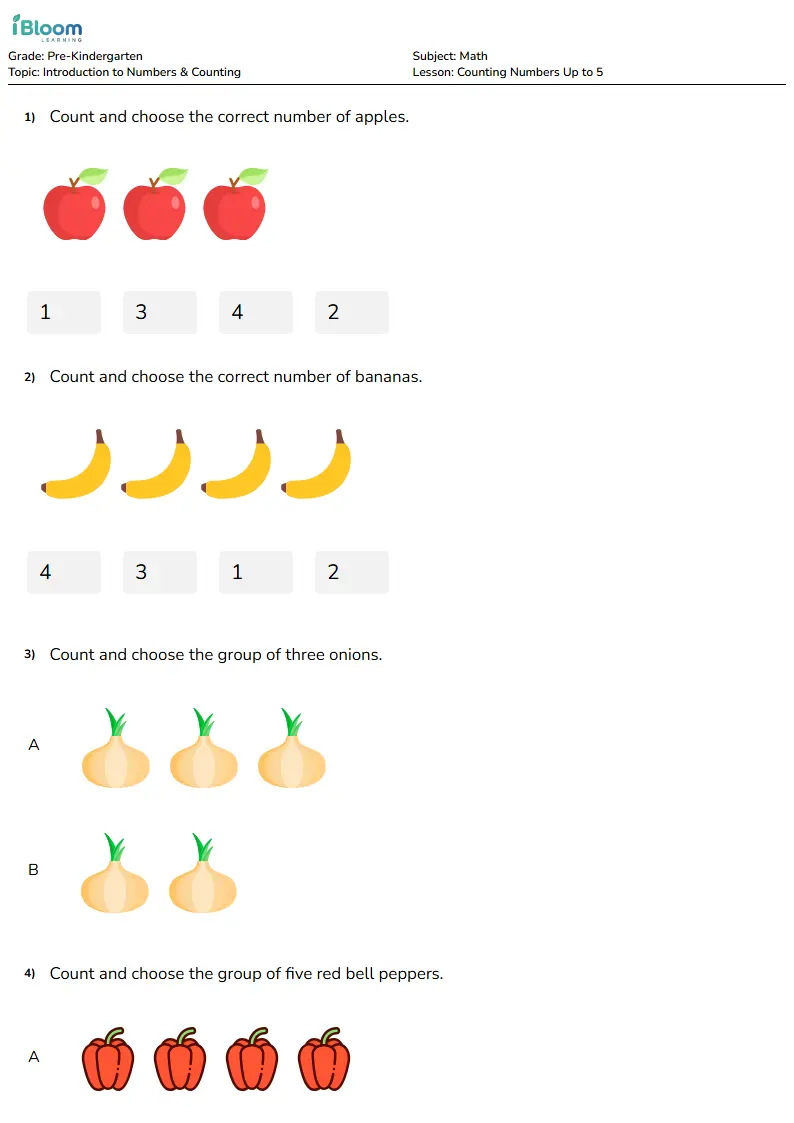
Use this preview to see the kind of practice children will open before you start the routine.
Describe daily routines Worksheets for Pre Kindergarten Preview
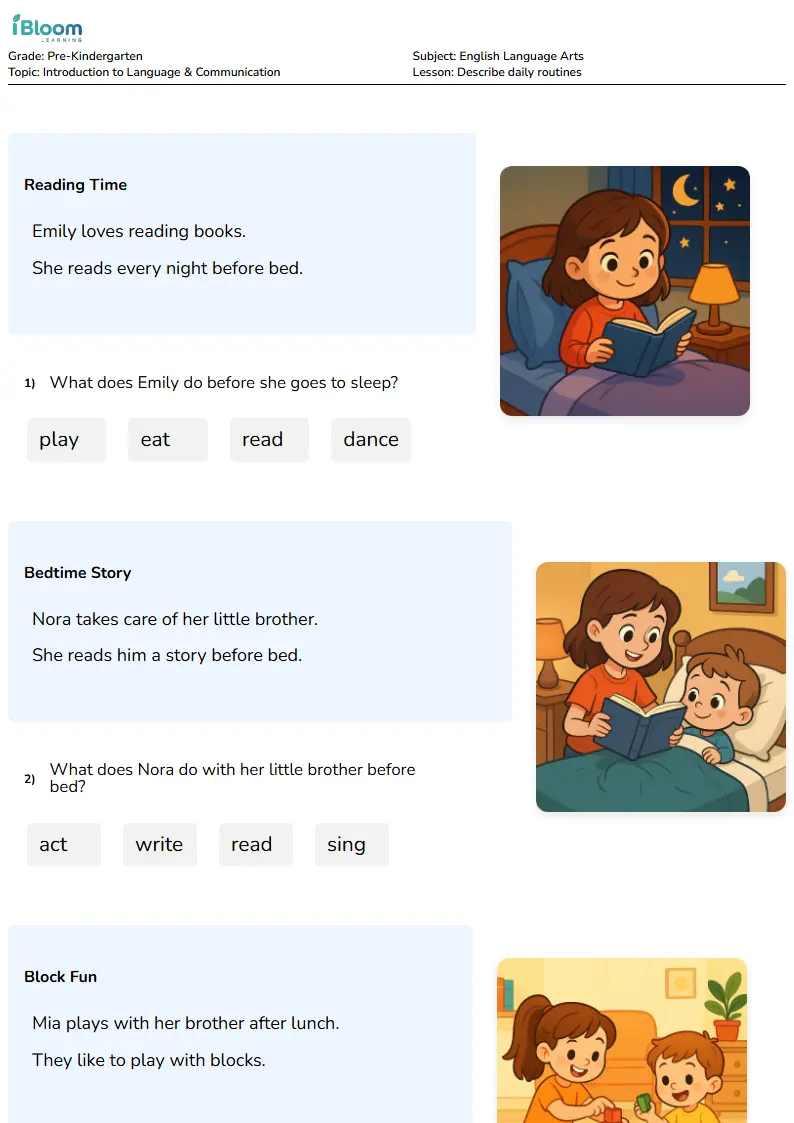
Use this preview to see the kind of practice children will open before you start the routine.