Free printable practice
Cursive Letters Practice Activities
Printable cursive letter activities help elementary writers form, connect, and review uppercase and lowercase cursive letters from A to Z.
Explore Cursive Letters
Practice that builds confidence
Building the cursive alphabet
These cursive letters practice activities focus on handwriting fluency: forming each letter correctly, following smooth strokes, and building confidence with the full alphabet. Children practise letter shape, slant, spacing, and control as they move from guided tracing to independent writing.
The printable pages include focused letter groups such as A–F, G–L, M–Q, R–V, W–Z, plus A–Z review. They are useful for extra handwriting practice at home, morning work, literacy centers, or small-group support in the Cursive Writing > Cursive Letters collection.
Cursive letter practice starts with noticing how each letter begins, travels, and ends. These worksheets support children as they learn loops, humps, curves, tails, and exit strokes. The A–F and G–L sets are useful for early practice because children can compare letters with similar rounded or looped movements, while M–Q, R–V, and W–Z help them manage taller strokes, sharp turns, and letters that often feel less familiar.

From tracing to independent writing
The activities are designed to move children through a clear progression: trace the model, copy beside it, then write the letter without a guide. A full A–Z review page helps children see the alphabet as a connected system rather than isolated shapes. Encourage students to say the letter name quietly, start at the correct point, and finish with a ready-to-connect ending stroke.
Parent routine for steady practice
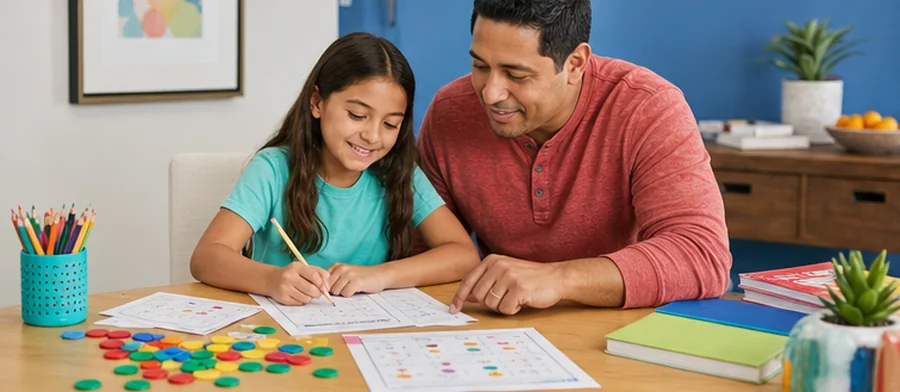
At home, choose one small letter group instead of the whole alphabet. Have your child trace two neat rows, circle their best letter, and then write three more trying to match that one. End by asking them to name one thing that improved, such as “my loops are taller” or “my letters sit on the line.” Short, calm repetition is better than rushing through every page.
Classroom uses for teachers
Teachers can place these pages in handwriting folders, literacy centers, early finisher bins, or intervention groups. The grouped sets make it easy to target specific needs: use W–Z for tricky end-of-alphabet letters, R–V for letters with angled transitions, or A–Z for review after direct instruction. Pages can also support pencil grip reminders, posture checks, and line placement practice.

Common errors to watch for
Children may begin letters in the wrong place, lift the pencil too often, reverse slant direction, or make letters too tall for the writing line. Watch for confusing similar forms, especially letters with loops or rounded entrances. A child-friendly strategy is: “Start, glide, finish.” Start at the dot or model point, glide through the whole stroke, and finish with the exit tail ready for the next letter.
Free printable PDF download
Use this cursive letters practice worksheet page to preview the activity, print it, or download it as a PDF for quick practice. It works well for homework, homeschool lessons, tutoring, morning work, revision, and classroom centers.
Answers and answer key support
After the child completes the worksheet independently, parents and teachers can use the answer support or answer key information to check the work, review mistakes, and choose the next practice step.
Why iBloom worksheets help
iBloom cursive worksheets give children repeated, focused practice without overwhelming them. The letter ranges let adults choose exactly what a child needs, while the clean models help students compare their own writing with a clear example. This makes cursive practice more purposeful, organized, and easier to revisit.
Helpful answers
Frequently asked questions
What letters are covered in these cursive practice activities?
The collection includes focused groups such as A–F, G–L, M–Q, R–V, and W–Z, along with A–Z review for practising the full cursive alphabet.
Should children trace or write independently first?
Start with tracing so children learn the correct stroke path. Then have them copy the same letter beside the model before writing it independently.
How can I help if my child’s cursive letters are uneven?
Use the writing lines as guides. Remind your child to keep small letters within the middle space, make tall letters reach upward, and slow down enough to finish each exit stroke.
Are these worksheets useful for classroom handwriting centers?
Yes. Teachers can assign a specific letter group for targeted practice, use A–Z pages for review, or keep selected sheets in centers for students who need extra handwriting support.
What is a simple cue children can remember while writing cursive?
Use the phrase “Start, glide, finish.” It reminds children to begin in the right place, move smoothly through the stroke, and end with a clean connecting tail.
Is this cursive letters practice worksheet free?
Yes. You can preview it for free and use the printable worksheet for home or classroom practice.
Can I download this cursive letters practice worksheet as a PDF?
Yes. Use the worksheet download option to save a printable PDF, or print the worksheet directly from the page.
Does this cursive letters practice worksheet include answers or an answer key?
When the activity has fixed answers, iBloom includes answer support so parents and teachers can check the completed worksheet.