Free printable practice
Generic Practice Activities
Mixed Grade 2 writing prompts help children practice clear, friendly messages and simple letters for real-life purposes.
Practice that builds confidence
What Grade 2 writers practise
These Grade 2 writing prompt worksheets give children mixed practice with everyday messages and letters. Students learn to choose a purpose, name the reader, organize a short note, and use polite, complete sentences.
The printable activities may include prompts for friendly notes, thank-you messages, invitations, reminders, and short letters. Children practice adding details, using greetings and closings, and making their writing easy for another person to understand.
At this stage, children are moving beyond one-sentence notes into short pieces with a clear beginning, middle, and ending. In message and letter prompts, they practise answering: Who am I writing to? Why am I writing? What details does the reader need? A child might write to thank a friend, invite a classmate, explain a missing item, or send a cheerful note to a family member.
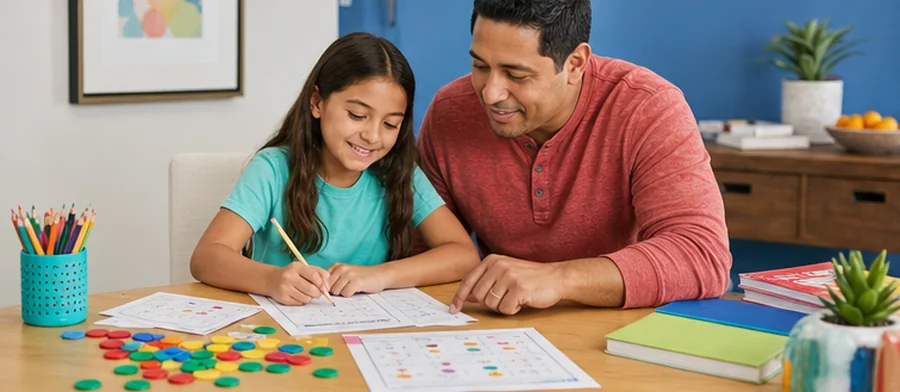
Building blocks of a useful message
The worksheets guide students to include a greeting, a main message, and a closing when a letter format is needed. They also practise sentence basics: capital letters at the start, end punctuation, spacing, and words such as dear, from, please, thank you, because, and sincerely. For short messages, the focus is on being clear and polite rather than writing a long paragraph.
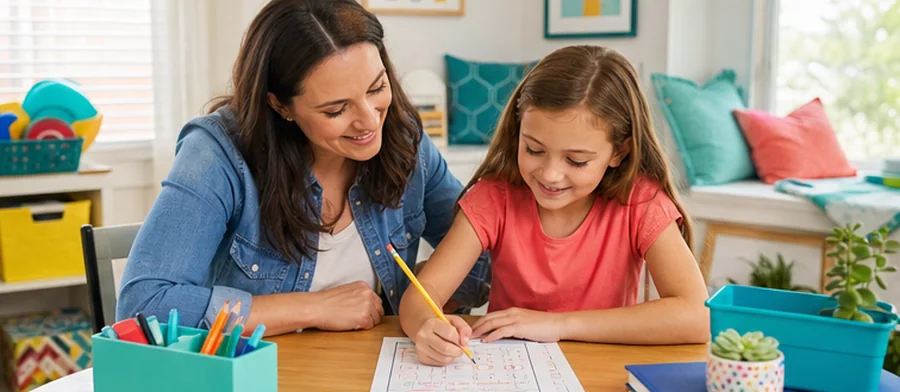
A simple routine for home
Before your child writes, ask three quick questions: “Who will read this?”, “What do you want them to know?”, and “What friendly words can you add?” After writing, have your child read the message aloud. If something sounds confusing, encourage one more detail, such as a date, place, reason, or feeling. This keeps revision practical and age-appropriate.
Classroom uses for teachers
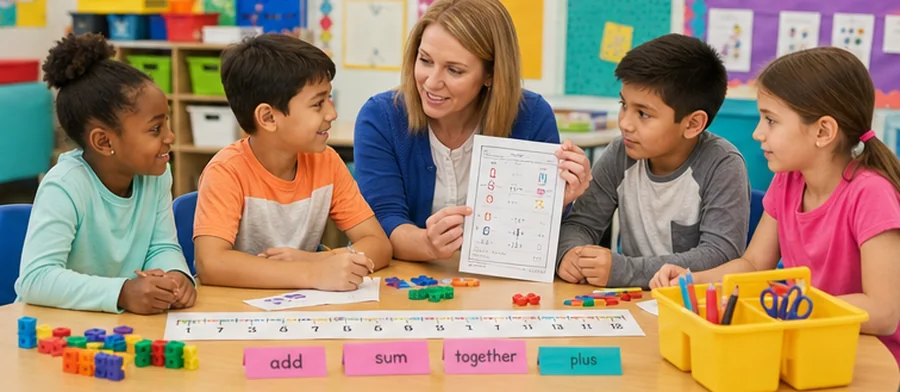
Teachers can use these prompts for morning work, writing centers, early finisher tasks, or a mini-lesson on audience and purpose. A class can compare two sample notes and decide which one gives better information. Students can also swap papers with a partner and check for a greeting, a clear message, and a closing.
Common errors to watch for
Second graders may forget who they are writing to, leave out the reason for the note, or write one long sentence joined with and. Some children add a greeting but no closing, while others use a friendly tone in a reminder that needs clearer information. Model how to add one useful detail without rewriting the whole piece.
Free printable PDF download
Use this grade 2 messages and letters worksheet page to preview the activity, print it, or download it as a PDF for quick practice. It works well for homework, homeschool lessons, tutoring, morning work, revision, and classroom centers.
Answers and answer key support
After the child completes the worksheet independently, parents and teachers can use the answer support or answer key information to check the work, review mistakes, and choose the next practice step.
Why iBloom worksheets help
These iBloom worksheets give children varied, real-life reasons to write instead of repeating the same letter format. A child-friendly strategy is: “Reader, reason, details, sign-off.” Say who the reader is, state the reason, add one or two helpful details, then end politely.
Helpful answers
Frequently asked questions
What kinds of writing are included in these Grade 2 message and letter prompts?
The prompts focus on everyday written communication, such as friendly notes, thank-you messages, invitations, reminders, and short letters to familiar people.
Does my child need to write a full letter for every worksheet?
No. Some prompts may call for a short message, while others work best as a simple letter with a greeting, main message, and closing.
How can I help a second grader who writes too little?
Ask the child to add one helpful detail: who, what, when, where, why, or how. For example, an invitation becomes clearer when it includes the place or reason.
What should teachers look for when checking these worksheets?
Look for a clear audience, a sensible purpose, complete sentences, polite word choice, and basic letter parts when the prompt asks for a letter.
Are these worksheets useful for reluctant writers?
Yes. Messages and letters give children a real reader and a clear reason to write, which often makes the task feel more natural and manageable.
Is this grade 2 messages and letters worksheet free?
Yes. You can preview it for free and use the printable worksheet for home or classroom practice.
Can I download this grade 2 messages and letters worksheet as a PDF?
Yes. Use the worksheet download option to save a printable PDF, or print the worksheet directly from the page.
Does this grade 2 messages and letters worksheet include answers or an answer key?
When the activity has fixed answers, iBloom includes answer support so parents and teachers can check the completed worksheet.