Free printable practice
Narrative Writing Practice Practice Activities
Grade 3 narrative writing worksheets that help students plan, draft, revise, and finish stories with clear events, details, and endings.
Practice that builds confidence
Building a complete story
These Grade 3 grammar and writing worksheets help children practice turning everyday ideas into clear narrative writing. Students work on planning a beginning, middle, and end, adding characters and setting, and writing events in an order readers can follow.
The printable activities include prompts, organizers, sentence starters, revision checklists, and short story-writing tasks. They give young writers structured practice with details, dialogue, transitions, and endings while still leaving room for imagination.
Narrative writing in Grade 3 is about more than telling what happened. Children learn to introduce a situation, name characters, describe where the story takes place, and move events forward step by step. These pages support that progression with planning boxes, story maps, and guided prompts so students can see how one event leads to the next.

From ideas to organized drafts
Some worksheets begin with a picture, question, or short prompt. Others ask students to choose a character, problem, and solution before writing. This helps children avoid the common “and then, and then” pattern. They practice using time-order words such as first, later, suddenly, after that, and finally to connect events clearly.
Adding detail, voice, and dialogue
Grade 3 writers are ready to make stories more interesting with sensory details, feelings, action words, and simple dialogue. A student might change “We went to the park” into “Maya raced toward the swings while Dad called, ‘Wait for me!’” The worksheets encourage children to show what characters do, say, think, and feel.
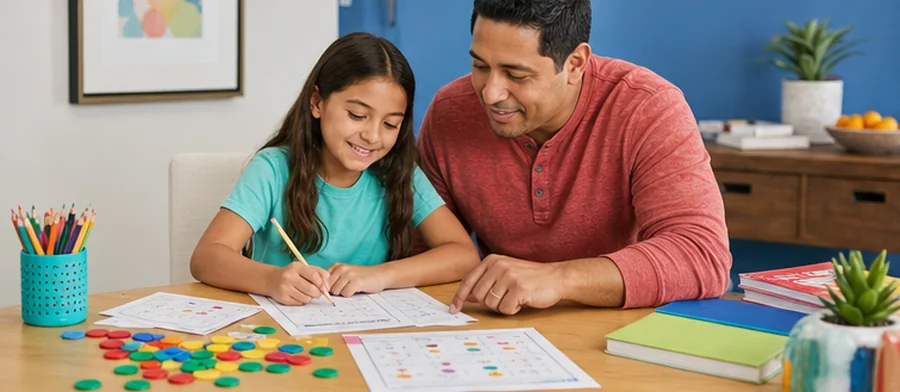
A practical parent routine
At home, have your child read the prompt aloud, talk through the story idea, and sketch a quick beginning-middle-end plan. Ask three questions before writing: Who is in the story? What problem or event happens? How does it end? After the draft, invite your child to reread it once for missing words and once for stronger details.
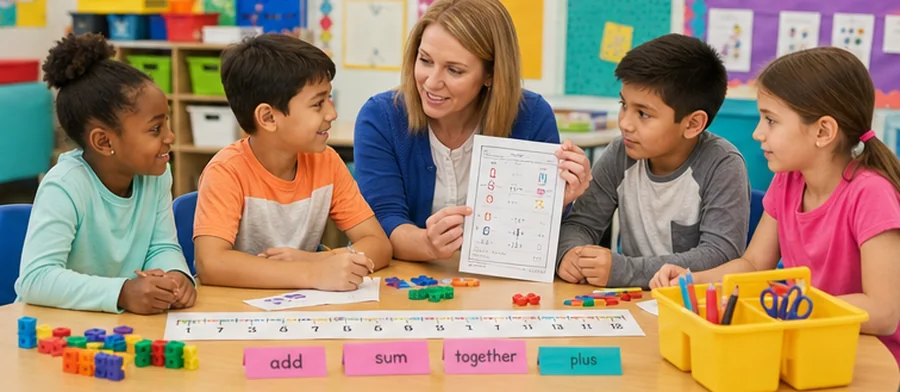
Classroom uses for teachers
Teachers can use these printables for writing centers, small-group lessons, morning work, independent practice, or follow-up after a narrative mini-lesson. The mix of organizers and full writing pages makes it easy to separate planning, drafting, and revision instead of expecting students to do everything at once.
Free printable PDF download
Use this grade 3 narrative writing worksheet page to preview the activity, print it, or download it as a PDF for quick practice. It works well for homework, homeschool lessons, tutoring, morning work, revision, and classroom centers.
Answers and answer key support
After the child completes the worksheet independently, parents and teachers can use the answer support or answer key information to check the work, review mistakes, and choose the next practice step.
Why iBloom worksheets help
The activities break narrative writing into manageable choices while still expecting a real story. Watch for stories with no clear ending, events out of order, missing punctuation in dialogue, or too few details about the setting. A child-friendly strategy is: “Plan it, tell it, write it, reread it.” Saying the story aloud first often helps third graders hear what needs to come next.
Helpful answers
Frequently asked questions
What narrative writing skills do these Grade 3 worksheets practice?
They focus on planning and writing short stories with characters, setting, ordered events, details, dialogue, and a clear ending.
Are these worksheets better for planning or full story writing?
They include both. Some pages guide students through story maps and organizers, while others give prompts and space for drafting a complete narrative.
How can I help my child if they cannot think of a story idea?
Start with a real event, such as a lost item, a surprise, or a funny mistake. Then help your child change one detail to make it more imaginative.
What common mistakes should I watch for in third grade narrative writing?
Look for stories that jump around in time, have no problem or ending, repeat “and then,” or tell events without describing what characters say, do, or feel.
Can teachers use these pages during writing centers?
Yes. The worksheets work well for centers because students can practice one part of the writing process at a time, such as planning, drafting, adding dialogue, or revising.
Is this grade 3 narrative writing worksheet free?
Yes. You can preview it for free and use the printable worksheet for home or classroom practice.
Can I download this grade 3 narrative writing worksheet as a PDF?
Yes. Use the worksheet download option to save a printable PDF, or print the worksheet directly from the page.
Does this grade 3 narrative writing worksheet include answers or an answer key?
When the activity has fixed answers, iBloom includes answer support so parents and teachers can check the completed worksheet.