Free printable practice
Robot Practice Activities
Grade 4 robot narrative prompts help children plan imaginative stories with characters, settings, problems, dialogue, and clear endings.
Practice that builds confidence
Robot stories with a clear arc
These Grade 4 narrative writing worksheets invite children to write original robot stories while practising plot, character development, setting, sequence, dialogue, and descriptive detail.
The printable activities use robot-themed prompts to spark ideas, then guide students toward organized stories with a beginning, middle, and ending instead of a list of events.
A robot prompt gives Grade 4 writers a playful subject, but the goal is careful narrative writing. Children learn to move from an idea such as a helpful classroom robot, a lost invention, or a robot with a secret mission into a story with a character, setting, problem, attempts to solve it, and a satisfying resolution.
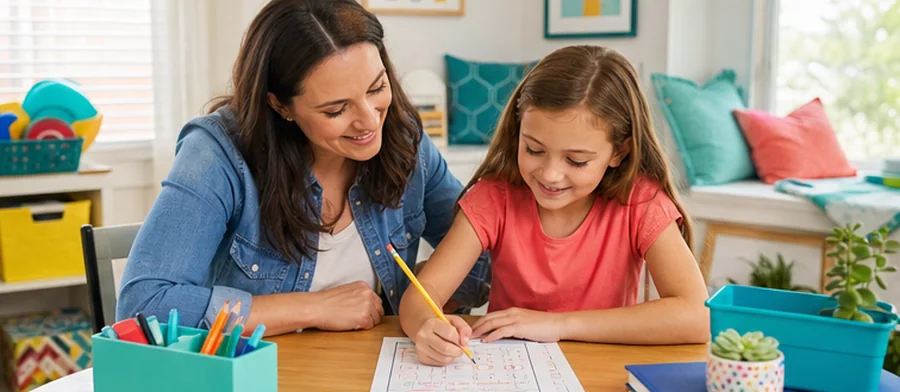
Building a believable robot character
Students can practise describing what the robot looks like, how it moves, what it can do, and what makes it surprising. Encourage vocabulary such as gears, circuits, sensors, programmed, malfunction, invention, and control panel when it fits the story. The robot should not only do things; it should affect the human characters and create choices for the narrator.
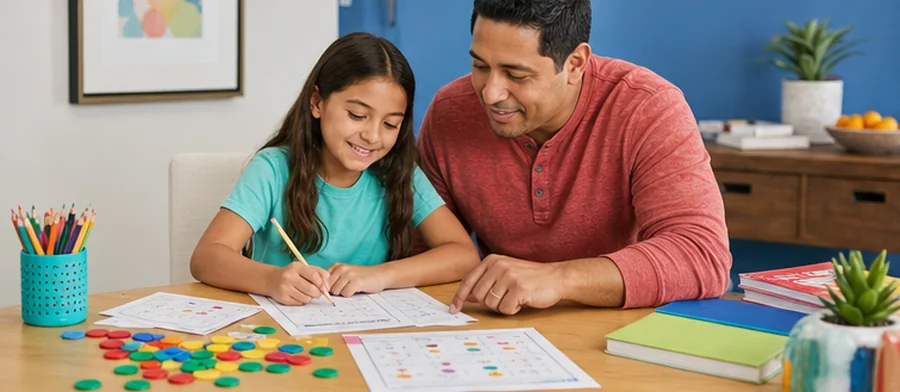
A simple parent routine
Before writing, ask your child three questions: Where is the robot? What goes wrong? How does the main character change or solve the problem? Have your child sketch a quick story map, then write one paragraph for the beginning, two or more for the events, and one for the ending. Afterward, reread for capital letters, punctuation in dialogue, and verbs that show action.
Classroom uses for teachers
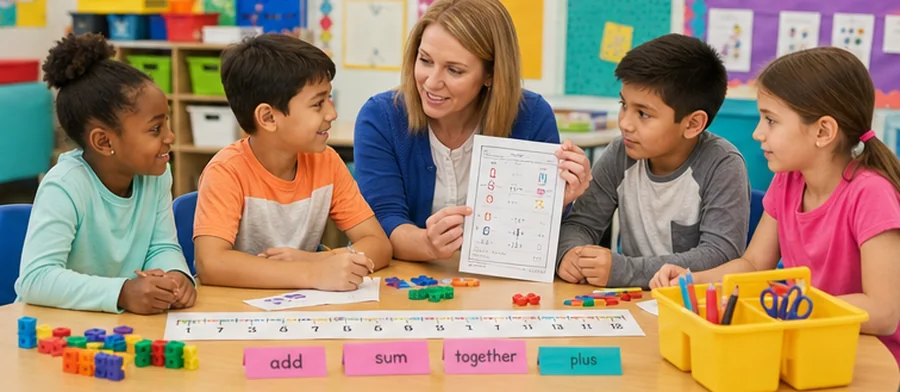
These pages work well for writing centers, morning work, substitute plans, or a narrative-writing mini unit. Teachers can model one prompt on the board, collect strong leads, or have partners identify the problem and resolution in each draft. The robot theme also supports reluctant writers because the stories can be funny, mysterious, adventurous, or thoughtful.
Common errors to watch for
Many students start with an exciting robot idea but forget the story structure. Watch for endings that simply stop, dialogue with no punctuation, too many events in one long paragraph, or robots that solve everything without the main character making a decision. A useful child-friendly strategy is Stop, Picture, Plan: stop before writing, picture the robot scene, and plan the problem before adding details.
Free printable PDF download
Use this grade 4 robot narrative writing worksheet page to preview the activity, print it, or download it as a PDF for quick practice. It works well for homework, homeschool lessons, tutoring, morning work, revision, and classroom centers.
Answers and answer key support
After the child completes the worksheet independently, parents and teachers can use the answer support or answer key information to check the work, review mistakes, and choose the next practice step.
Why iBloom worksheets help
The prompts are specific enough to prevent blank-page frustration while still leaving room for imagination. iBloom worksheets help children practise the real parts of narrative writing: organizing events, adding sensory detail, using dialogue purposefully, and revising so a robot adventure reads like a complete story.
Helpful answers
Frequently asked questions
What writing skill do the robot worksheets focus on?
They focus on Grade 4 narrative writing, especially turning a robot-themed idea into a complete story with characters, setting, problem, events, dialogue, and an ending.
Are these prompts only for science fiction stories?
No. The robot theme can lead to adventure, comedy, mystery, friendship stories, school stories, or invention stories. The main purpose is practising narrative structure.
How can I help my child plan before writing?
Ask where the robot is, what problem happens, and how the main character helps solve it. A quick beginning-middle-ending plan can prevent the story from becoming a random list of robot actions.
What should Grade 4 students revise in a robot story?
They should check that the story has a clear problem and resolution, paragraphs are organized, dialogue is punctuated correctly, and descriptive verbs or details help the reader picture the robot.
Can teachers use these worksheets in writing centers?
Yes. The prompts are suitable for independent writing centers, partner planning, quick narrative practice, substitute lessons, or a longer classroom writing activity.
Is this grade 4 robot narrative writing worksheet free?
Yes. You can preview it for free and use the printable worksheet for home or classroom practice.
Can I download this grade 4 robot narrative writing worksheet as a PDF?
Yes. Use the worksheet download option to save a printable PDF, or print the worksheet directly from the page.
Does this grade 4 robot narrative writing worksheet include answers or an answer key?
When the activity has fixed answers, iBloom includes answer support so parents and teachers can check the completed worksheet.