Free printable practice
Compare Capacities Same Units Practice Activities
Grade 5 students compare capacities written in the same unit using place value, fraction sense, and measurement vocabulary.
Free printable worksheet PDFs
Preview every available page, then download the free worksheet PDF for home, homeschool, tutoring, or classroom practice.
Preview the exact activity before downloading it.
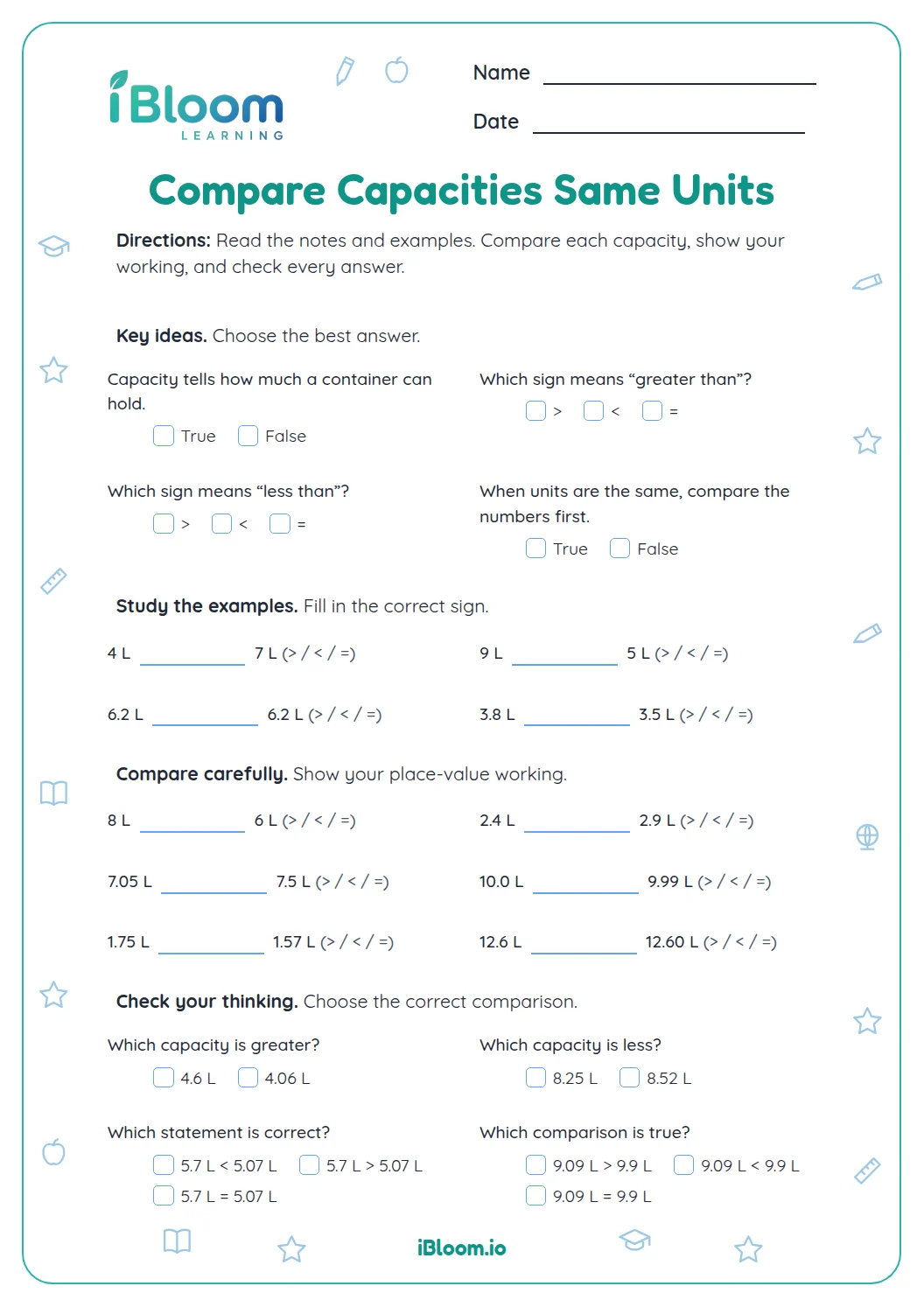 Compare Capacities Same Units — Concept FoundationsGrade 5 students compare capacities written in the same unit using place value, fraction sense, and measurement vocabulary. This Grade 5 foundations worksheet adds concise teaching notes, worked examples, and supported first attempts.Grade 5Free PDF preview
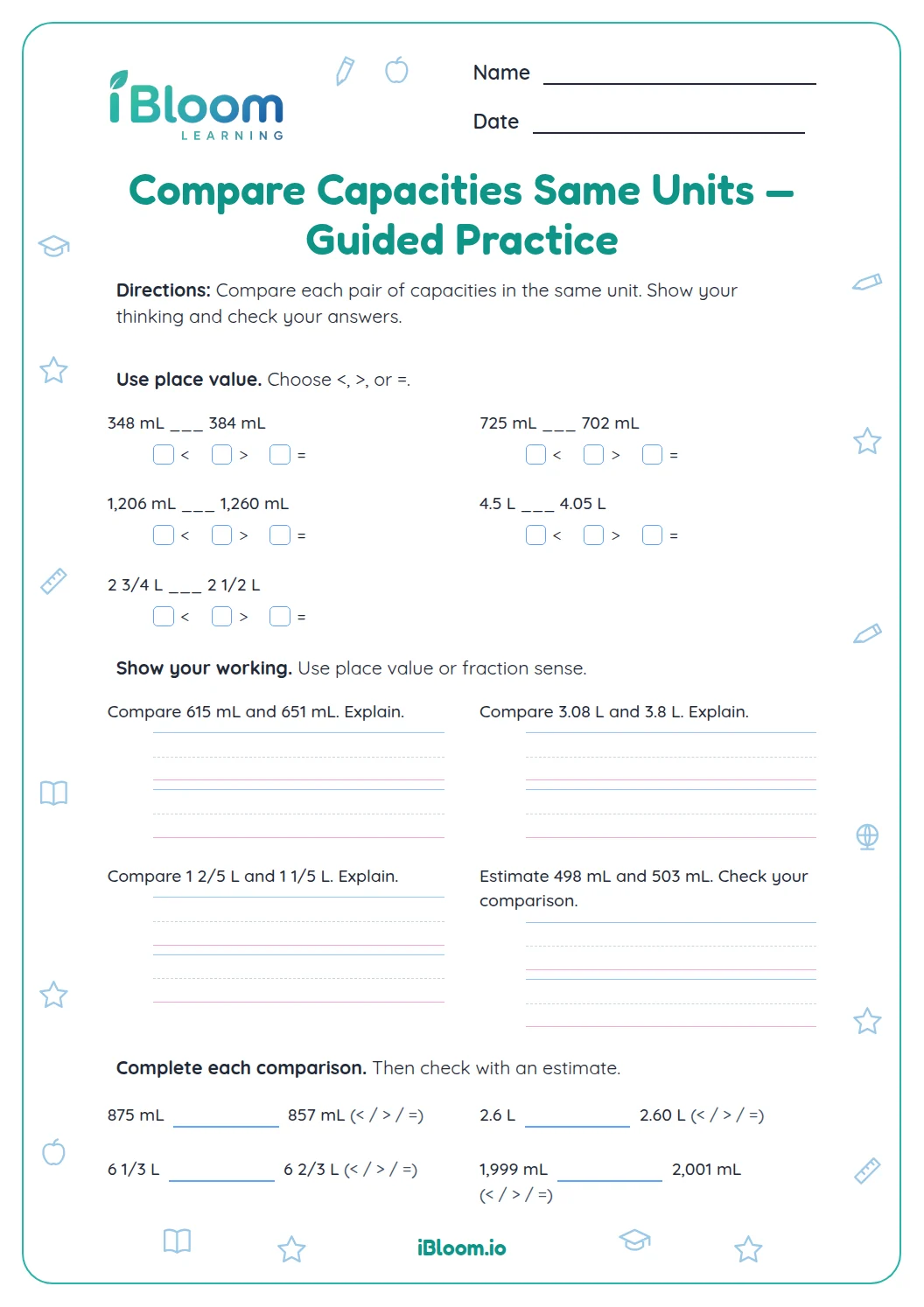 Compare Capacities Same Units — Guided PracticeGrade 5 students compare capacities written in the same unit using place value, fraction sense, and measurement vocabulary. This Grade 5 guided-practice worksheet progresses from prompts and checkpoints to independent questions.Grade 5Free PDF preview
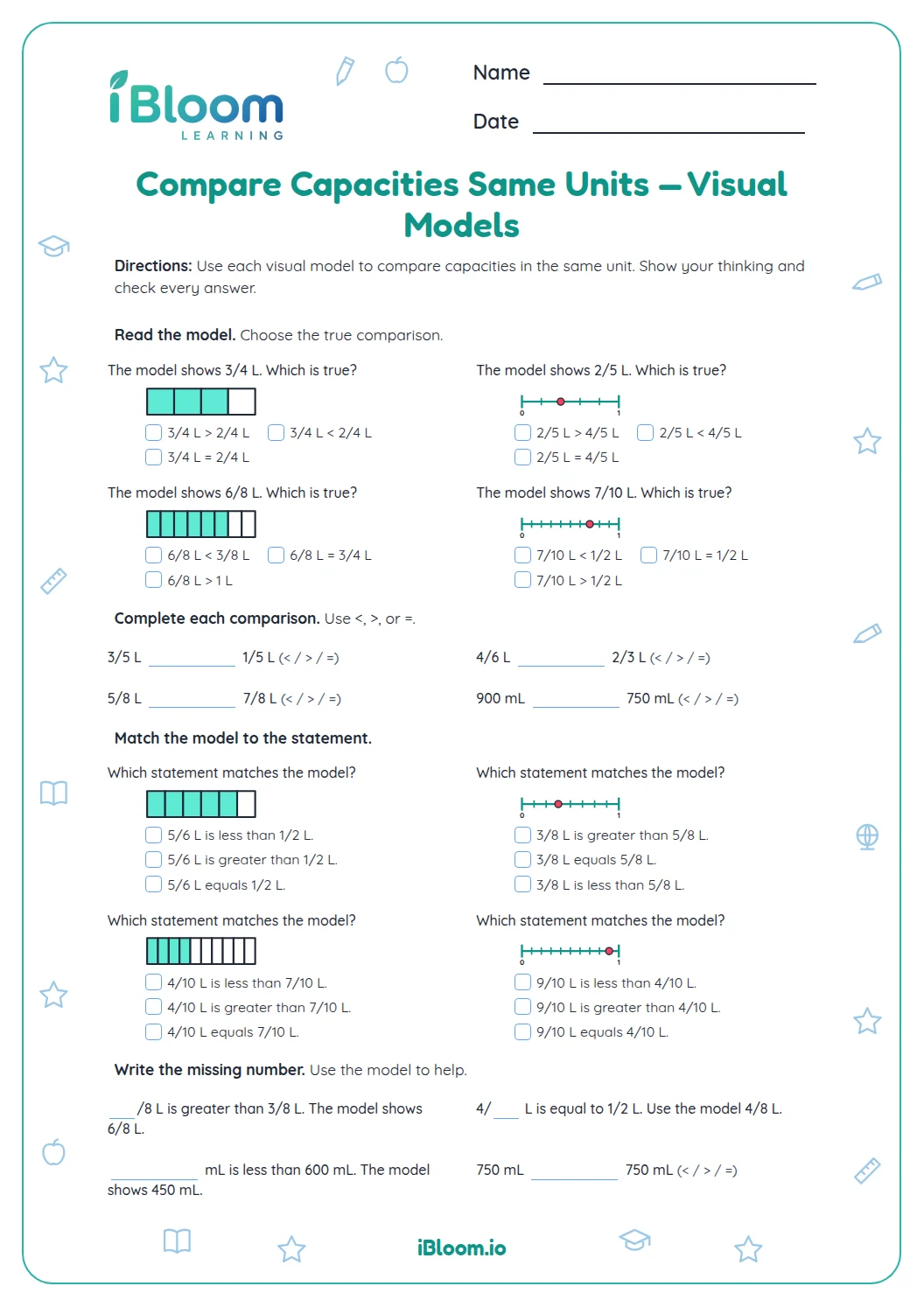 Compare Capacities Same Units — Visual ModelsGrade 5 students compare capacities written in the same unit using place value, fraction sense, and measurement vocabulary. This Grade 5 visual-model worksheet connects suitable diagrams, tables, number lines, or place-value models to mathematical notation.Grade 5Free PDF preview
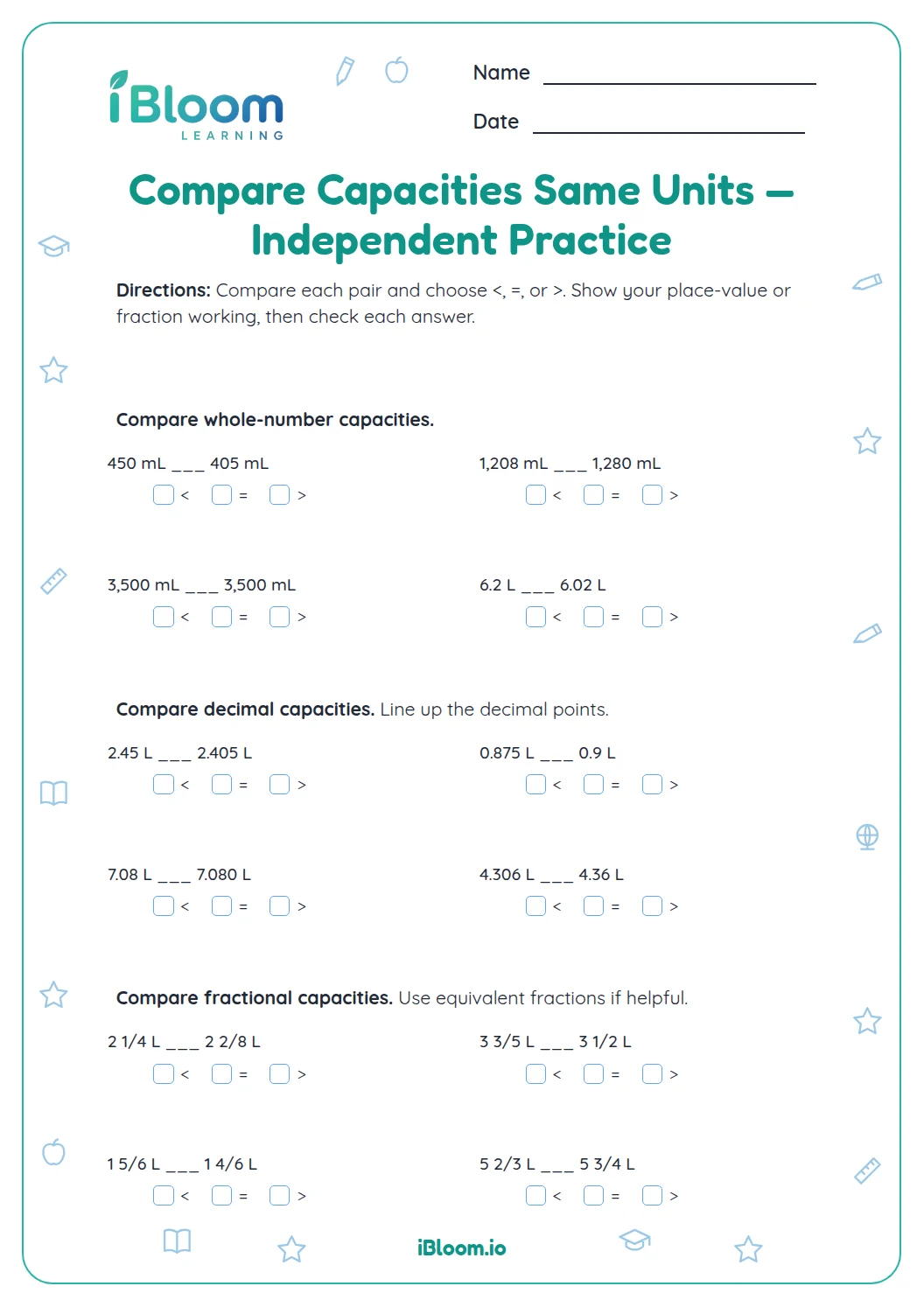 Compare Capacities Same Units — Independent PracticeGrade 5 students compare capacities written in the same unit using place value, fraction sense, and measurement vocabulary. This Grade 5 independent-practice worksheet provides a balanced sequence of accurate, grade-level exercises.Grade 5Free PDF preview
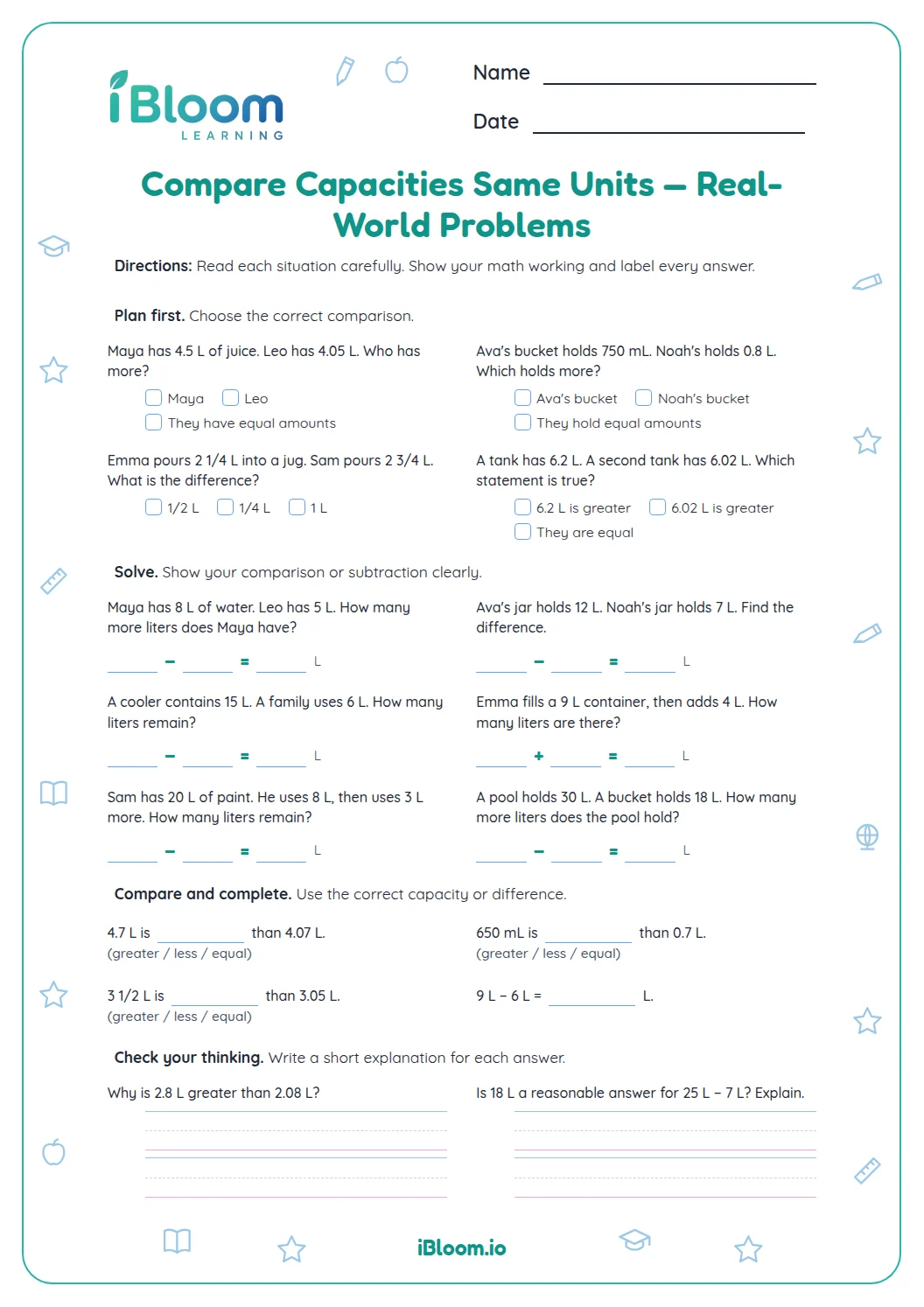 Compare Capacities Same Units — Real-World ProblemsGrade 5 students compare capacities written in the same unit using place value, fraction sense, and measurement vocabulary. This Grade 5 application worksheet uses realistic one-step and multi-step situations with room to model and solve.Grade 5Free PDF preview
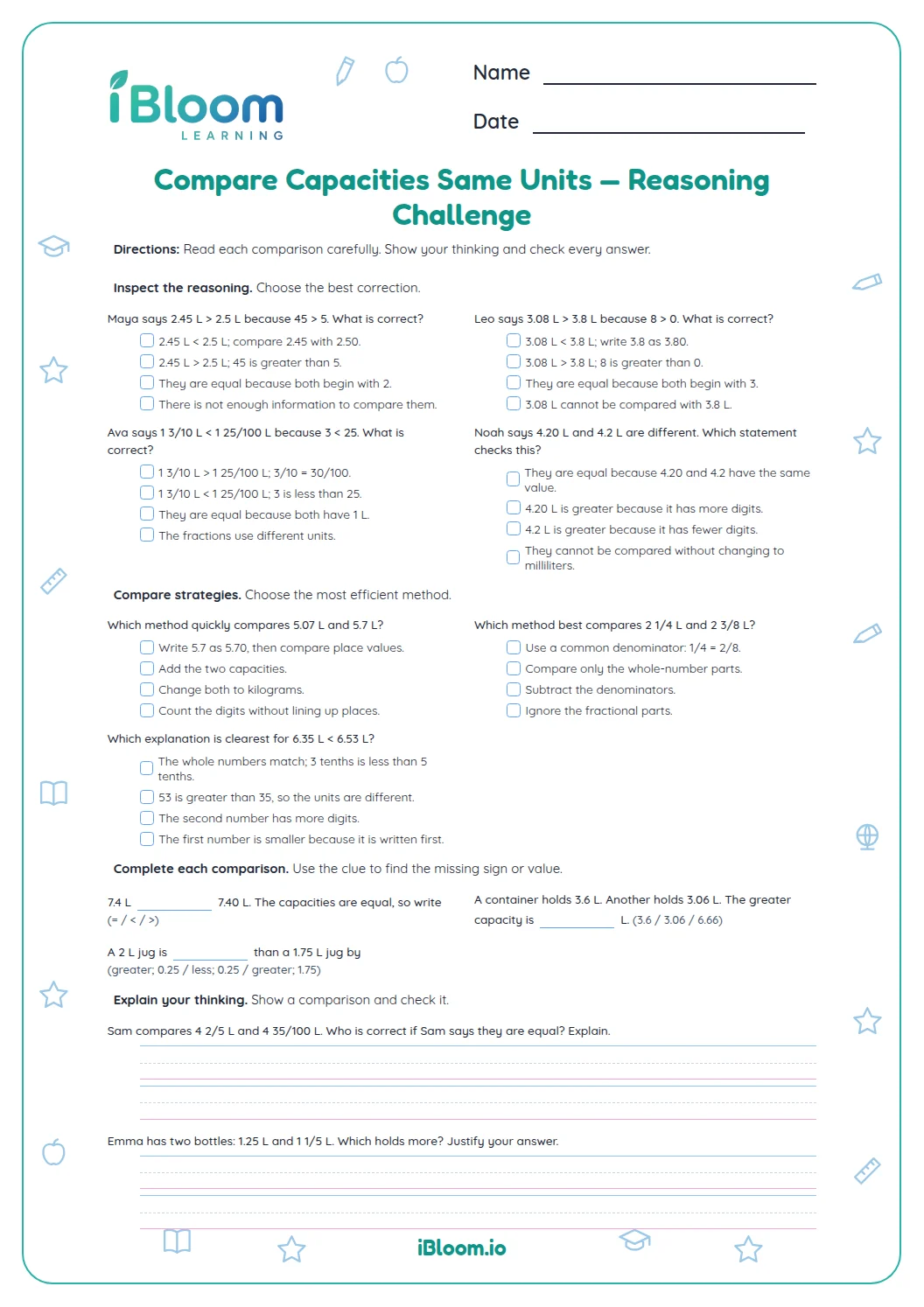 Compare Capacities Same Units — Reasoning ChallengeGrade 5 students compare capacities written in the same unit using place value, fraction sense, and measurement vocabulary. This Grade 5 reasoning worksheet combines error analysis, strategy comparison, missing information, and a gentle extension.Grade 5Free PDF preview
Practice that builds confidence
What students compare
These Grade 5 measurement worksheets help students compare capacities when both amounts use the same unit, such as liters with liters or gallons with gallons. Children practise deciding which container holds more, less, or the same amount without needing to convert units.
The printable activities include comparison statements, real-world capacity situations, and mixed number, decimal, or whole-number amounts where appropriate. Students use symbols, careful reading, and measurement vocabulary to justify each choice.
Comparing capacities in the same unit is about reasoning with the amount, not changing the unit. Students may compare quantities such as 3.5 L and 3.05 L, or 2 1/2 gal and 2 3/4 gal, while keeping the unit unchanged. The key vocabulary is capacity, more than, less than, equal to, cup, pint, quart, gallon, milliliter, and liter.

Skill progression on the worksheets
The practice moves from straightforward whole-number comparisons to decimals, fractions, and word problems. Students read both the number and the unit, line up decimal places when needed, and use equivalent fraction ideas for mixed numbers. Because the units match, the work focuses on number sense and measurement meaning rather than conversion steps.
A simple parent routine
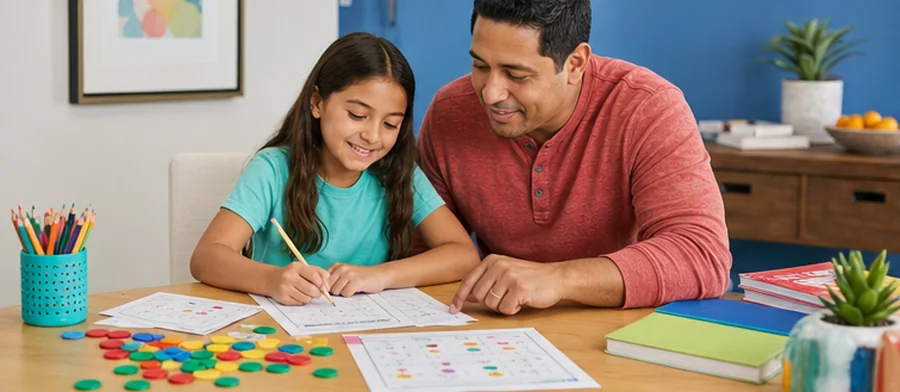
At home, choose two bottles, jugs, or measuring cups labeled with the same unit. Ask your child, “Which holds more? How do you know?” Then connect the label to a worksheet problem. Encourage your child to say the full comparison aloud: “0.75 liter is less than 1 liter.” This builds precision and prevents guesses based only on how containers look.
Classroom uses for teachers
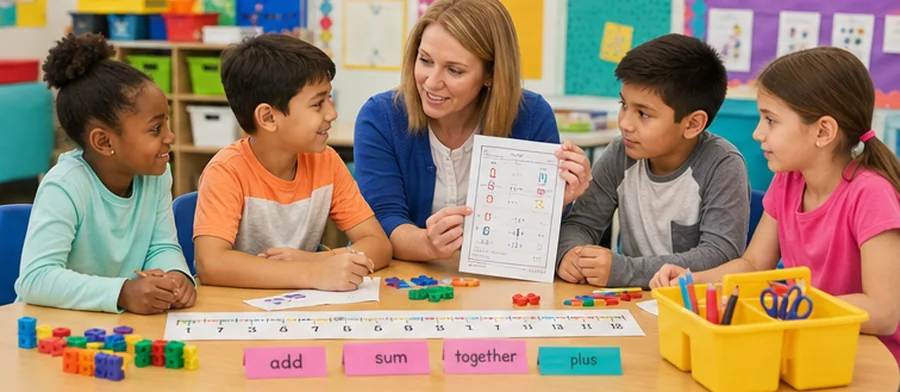
Teachers can use these printables for measurement centers, small-group review, warm-ups before capacity conversions, or independent practice after a mini-lesson. Problems with matching units are also useful for checking whether students understand comparison symbols before adding the extra challenge of converting between units.
Common errors to watch for
Some students compare only the first digit they see, so 3.05 may be mistaken as greater than 3.5. Others ignore mixed numbers or forget that the unit must be the same in each comparison. A helpful check is to have students underline the units first, then compare the numeric values. If decimals are involved, they can write trailing zeros to make place value clear.
Free printable PDF download
Use this grade 5 compare capacities same units worksheet page to preview the activity, print it, or download it as a PDF for quick practice. It works well for homework, homeschool lessons, tutoring, morning work, revision, and classroom centers.
Answers and answer key support
After the child completes the worksheet independently, parents and teachers can use the answer support or answer key information to check the work, review mistakes, and choose the next practice step.
Why iBloom worksheets help
iBloom worksheets keep the focus on one measurement decision at a time: same unit, compare the capacities, explain the relationship. Clear layouts, varied item types, and practical capacity contexts help students build accuracy before they move on to harder measurement tasks involving conversions or multi-step problems.
Helpful answers
Frequently asked questions
What does comparing capacities in the same unit mean?
It means both amounts use the same measurement unit, such as liters with liters or gallons with gallons, so students only compare the numbers to decide which capacity is greater, less, or equal.
Do these worksheets require unit conversions?
No. This page focuses on same-unit comparisons. Students do not need to convert cups to quarts or liters to milliliters for these activities.
What number forms might Grade 5 students see in these problems?
Students may compare whole numbers, decimals, fractions, or mixed numbers, depending on the activity. The measurement unit stays the same within each comparison.
How can I help my child avoid decimal comparison mistakes?
Ask your child to line up decimal points and add zeros when helpful. For example, 3.5 can be read as 3.50, which makes it easier to compare with 3.05.
How are these worksheets useful before learning capacity conversions?
They strengthen comparison symbols, place value, fraction sense, and capacity vocabulary first. That foundation makes later conversion problems easier to understand.
Is this grade 5 compare capacities same units worksheet free?
Yes. You can preview it for free and use the printable worksheet for home or classroom practice.
Can I download this grade 5 compare capacities same units worksheet as a PDF?
Yes. Use the worksheet download option to save a printable PDF, or print the worksheet directly from the page.
Does this grade 5 compare capacities same units worksheet include answers or an answer key?
When the activity has fixed answers, iBloom includes answer support so parents and teachers can check the completed worksheet.