Free printable practice
Circumference Area Circle Practice Activities
Grade 6 circle worksheets develop radius, diameter, circumference, and area skills through formula-based geometry practice.
Practice that builds confidence
Understanding circle measures
These Grade 6 geometry activities help students calculate the circumference and area of circles using radius, diameter, and pi.
The printable worksheets include practice with circle vocabulary, choosing the correct formula, substituting values, and labeling answers with the right units.
Students begin by identifying the radius, diameter, center, circumference, and area of a circle. The diameter is twice the radius, and the radius is half the diameter. This relationship matters because it determines which formula is easiest to use.

Circumference versus area
Circumference is the distance around a circle, so it is measured in linear units. Area is the space inside a circle, so it is measured in square units. Grade 6 students practise formulas such as C = πd, C = 2πr, and A = πr², using the given radius or diameter.
A concrete parent routine
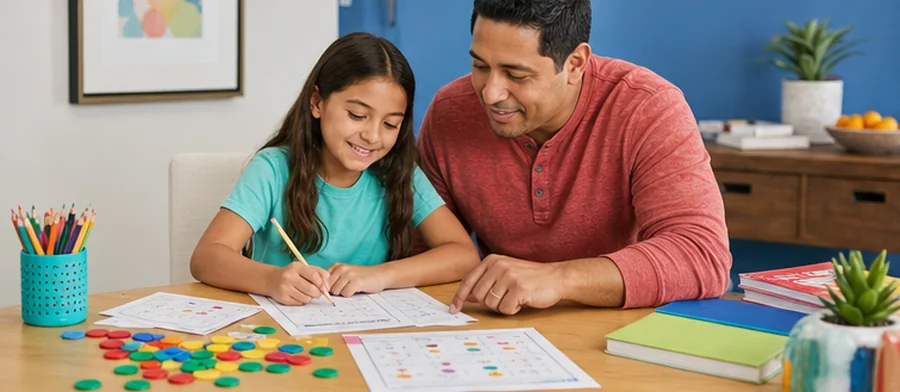
At home, draw three circles and label either the radius or diameter on each one. Ask your child to first write what is given, then choose C or A, then substitute the number into the formula. Before calculating, have them predict whether the answer should be units or square units.
Classroom uses
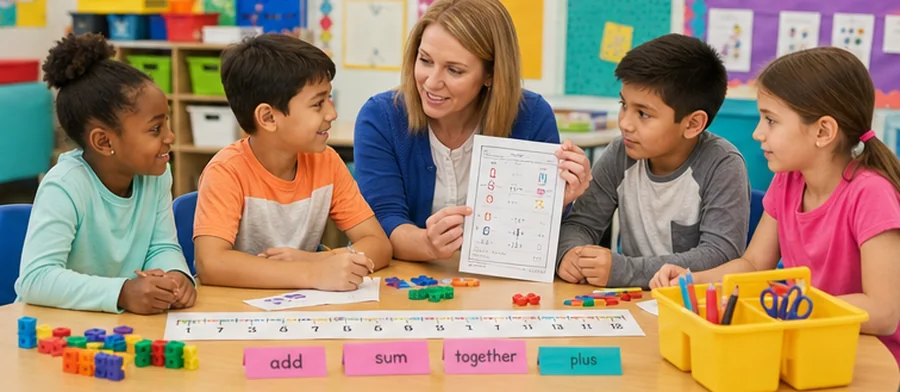
Teachers can use these pages after introducing pi, during geometry review, or in math centers where students sort problems by formula. Students can annotate diagrams, underline radius or diameter, and compare two circles to explain why doubling radius does more than double the area.
Common errors to watch
Frequent mistakes include using diameter in the area formula, forgetting to square the radius, mixing up circumference and area, or writing square units for circumference. Some students also double the radius when the diameter was already given. Encourage them to label r and d before solving.
Free printable PDF download
Use this Grade 6 circumference area circle worksheet page to preview the activity, print it, or download it as a PDF for quick practice. It works well for homework, homeschool lessons, tutoring, morning work, revision, and classroom centers.
Answers and answer key support
After the child completes the worksheet independently, parents and teachers can use the answer support or answer key information to check the work, review mistakes, and choose the next practice step.
Why iBloom worksheets help
The worksheets move from reading diagrams to selecting formulas and completing calculations, so students practise the reasoning behind the steps. A child-friendly strategy is: "Circle around? Use C. Space inside? Use A." This quick check helps students choose the correct path before doing the math.
Helpful answers
Frequently asked questions
What is the difference between circumference and area of a circle?
Circumference is the distance around the circle, while area is the amount of space inside the circle.
Which formula should students use for circumference?
They can use C = πd when the diameter is given or C = 2πr when the radius is given.
Why do area answers use square units?
Area measures surface space, so the answer is written in square units such as square inches or square centimeters.
What is a common mistake with circle area?
A common mistake is forgetting to square the radius in A = πr² or using the diameter as if it were the radius.
How can students check which value is radius or diameter?
The radius goes from the center to the circle. The diameter goes all the way across the circle through the center.
Is this Grade 6 circumference area circle worksheet free?
Yes. You can preview it for free and use the printable worksheet for home or classroom practice.
Can I download this Grade 6 circumference area circle worksheet as a PDF?
Yes. Use the worksheet download option to save a printable PDF, or print the worksheet directly from the page.
Does this Grade 6 circumference area circle worksheet include answers or an answer key?
When the activity has fixed answers, iBloom includes answer support so parents and teachers can check the completed worksheet.