Free printable practice
Same Different Size Practice Activities
Printable preschool and kindergarten comparison worksheets for identifying objects that are the same size or different sizes.
Practice that builds confidence
What children learn
These printable same and different size worksheets help preschool and kindergarten children notice how objects compare by size. Children look at pictures, name which items match in size, and identify the one that is bigger, smaller, taller, shorter, wider, or thinner when the picture supports it.
Activities include circle-the-match, color the different-sized object, draw lines to matching sizes, and simple sorting prompts. The pages build visual discrimination, early measurement language, and careful observation without requiring children to measure with rulers.
In the Preschool and Kindergarten > Comparison sequence, same and different size practice is an early step toward measurement. Children learn that objects can be alike in shape or type but not alike in size, such as two balls where one is larger, or three pencils where one is shorter. They also practise comparison words: same size, different size, bigger, smaller, tall, short, long, and wide.
How the worksheets progress
The activities begin with clear picture pairs so children can decide whether two objects are the same size or not. Later pages ask them to find the object that does not belong, match objects of equal size, or choose between similar pictures with a small size difference. This progression encourages children to slow down, scan the whole image, and compare more than one feature.
A simple parent routine
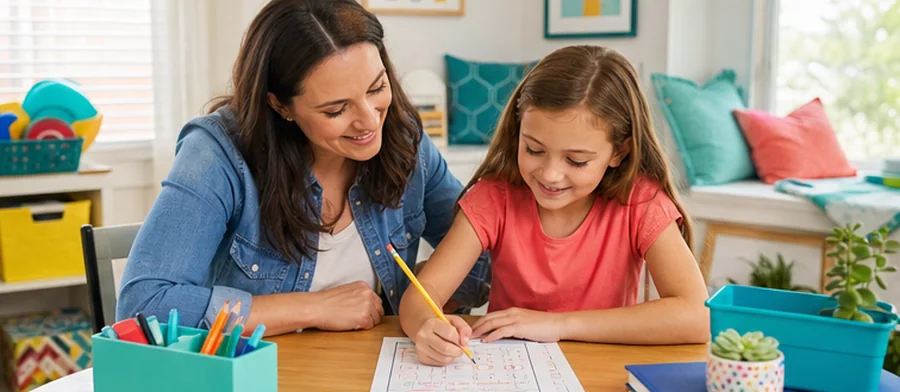
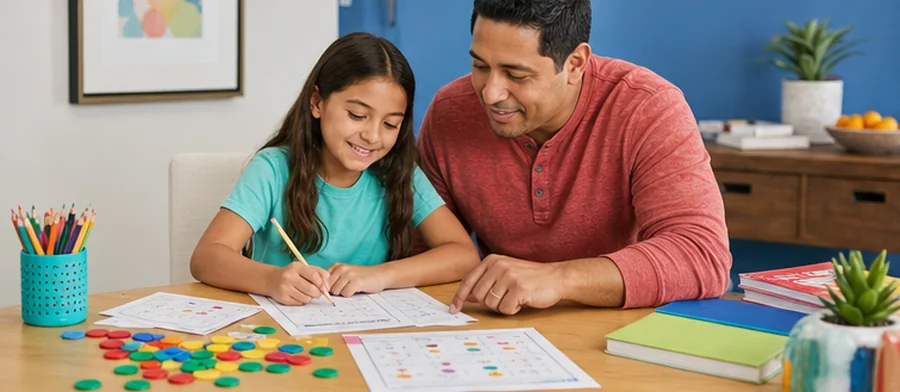
At home, start with real objects before the printable page. Put out two spoons, two blocks, or two shoes and ask, Are these the same size or different sizes? Then move to the worksheet and let your child point before marking an answer. After each item, ask them to explain with one comparison word, such as smaller or same size.
Classroom uses for teachers
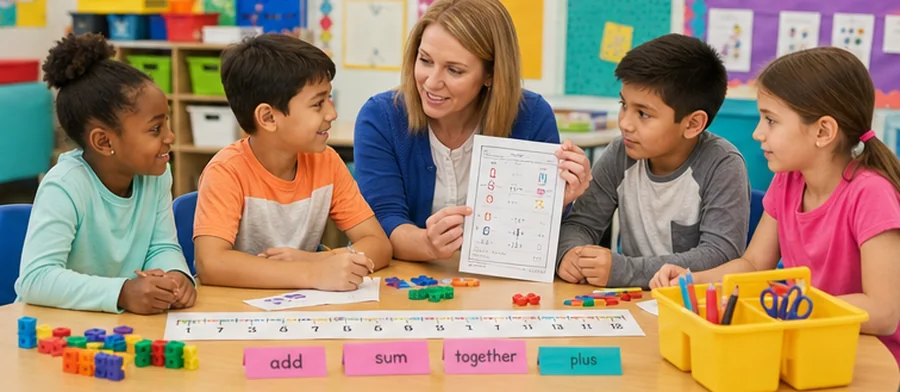
Teachers can use these pages in morning work, small-group comparison lessons, math centers, or assessment folders. They also work well after a hands-on sorting tray with classroom objects. For extra language practice, have children answer in a complete sentence: The two cups are the same size, or This apple is bigger.
Common errors to watch for
Some children compare color, position, or cuteness instead of size. Others choose the taller picture even when the task asks for same size. Point to the top, bottom, and sides of the pictures and ask children to compare the space the object takes up, not just its color or location.
Free printable PDF download
Use this same different size worksheet page to preview the activity, print it, or download it as a PDF for quick practice. It works well for homework, homeschool lessons, tutoring, morning work, revision, and classroom centers.
Answers and answer key support
After the child completes the worksheet independently, parents and teachers can use the answer support or answer key information to check the work, review mistakes, and choose the next practice step.
Child-friendly strategy and why iBloom worksheets help
Teach children to use the Look, Line Up, Say routine: look at both objects, imagine their bottoms lined up, then say the size word. iBloom worksheets support this habit with uncluttered pictures, repeated comparison formats, and age-appropriate prompts that let children practise one clear skill at a time.
Helpful answers
Frequently asked questions
What skill do same and different size worksheets teach?
They teach children to compare objects by size and decide whether pictures are the same size or different sizes. This supports early measurement language and careful visual observation.
Are these worksheets suitable for both preschool and kindergarten?
Yes. Preschool children can begin with simple picture pairs, while kindergarten children can handle matching, sorting, and finding the object that is a different size.
Should children know bigger and smaller before using these pages?
It helps, but they can learn the words during the activity. Use real objects first, then connect the words bigger, smaller, and same size to the worksheet pictures.
How can I help if my child compares color instead of size?
Cover or ignore the color and point to the edges of each object. Ask, Which one takes up more space? or Are their tops and bottoms about the same?
Can these pages be used in math centers?
Yes. They fit well in comparison or early measurement centers, especially after a hands-on activity where children sort classroom objects by size.
Is this same different size worksheet free?
Yes. You can preview it for free and use the printable worksheet for home or classroom practice.
Can I download this same different size worksheet as a PDF?
Yes. Use the worksheet download option to save a printable PDF, or print the worksheet directly from the page.
Does this same different size worksheet include answers or an answer key?
When the activity has fixed answers, iBloom includes answer support so parents and teachers can check the completed worksheet.