



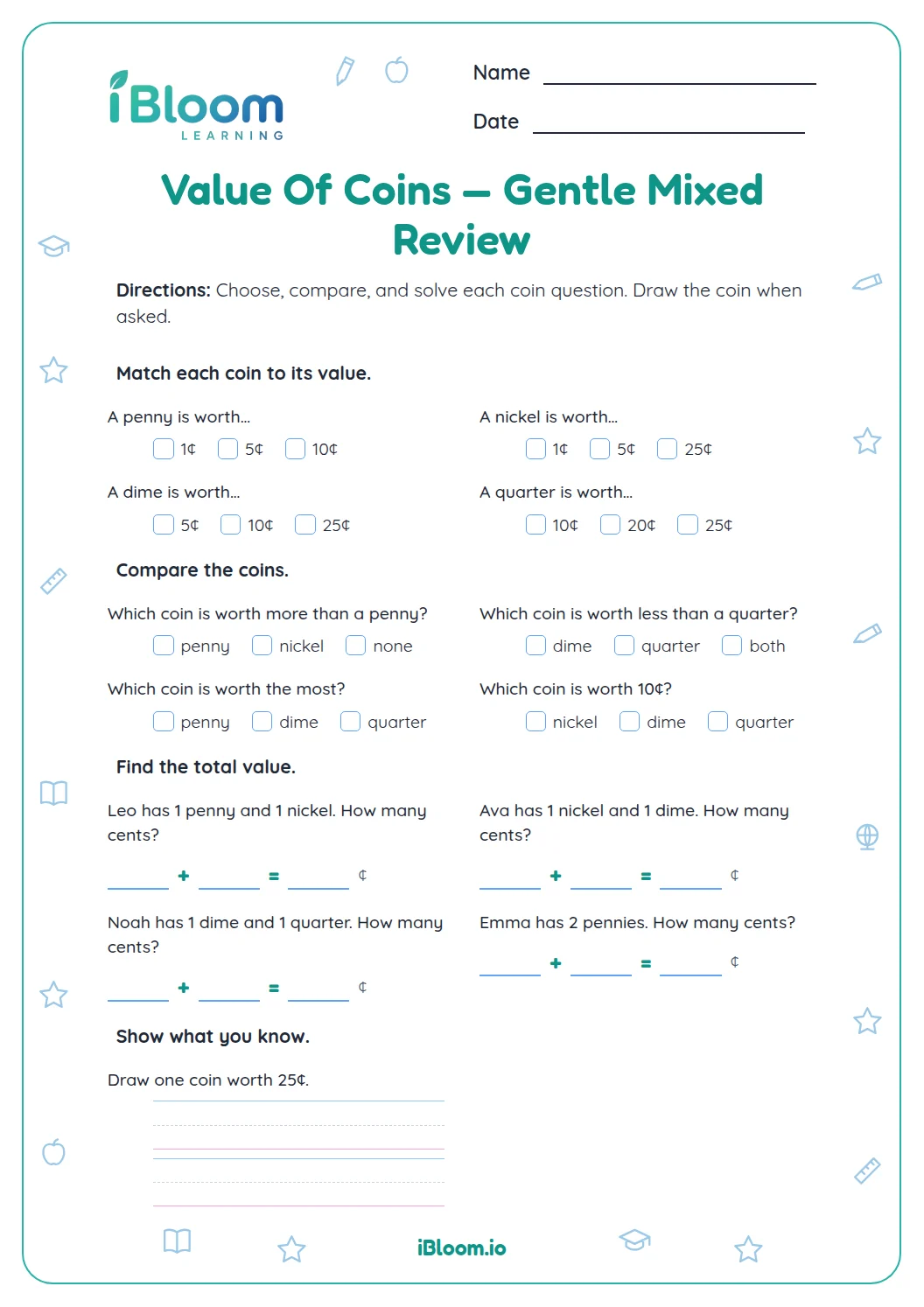
About this worksheet
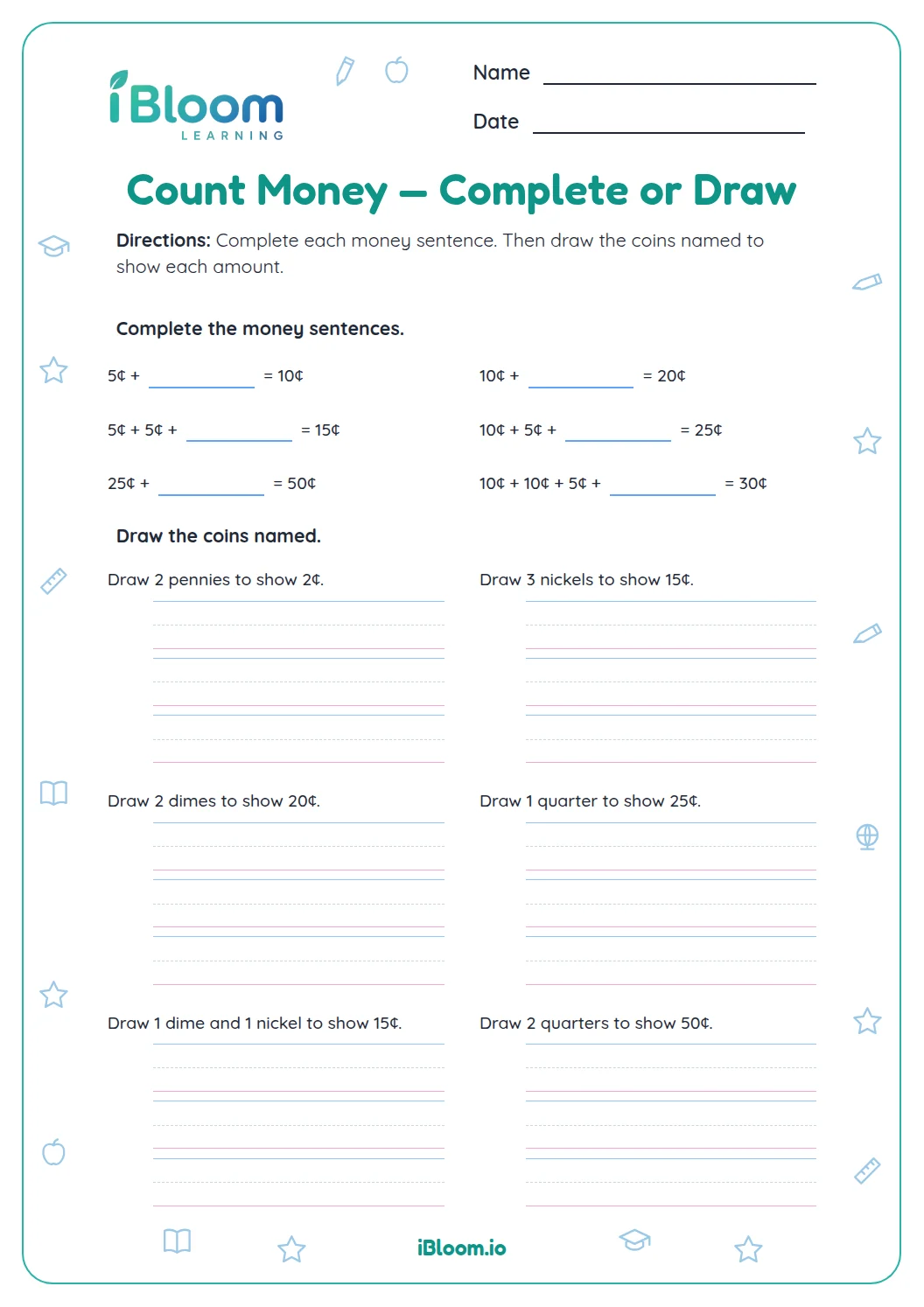
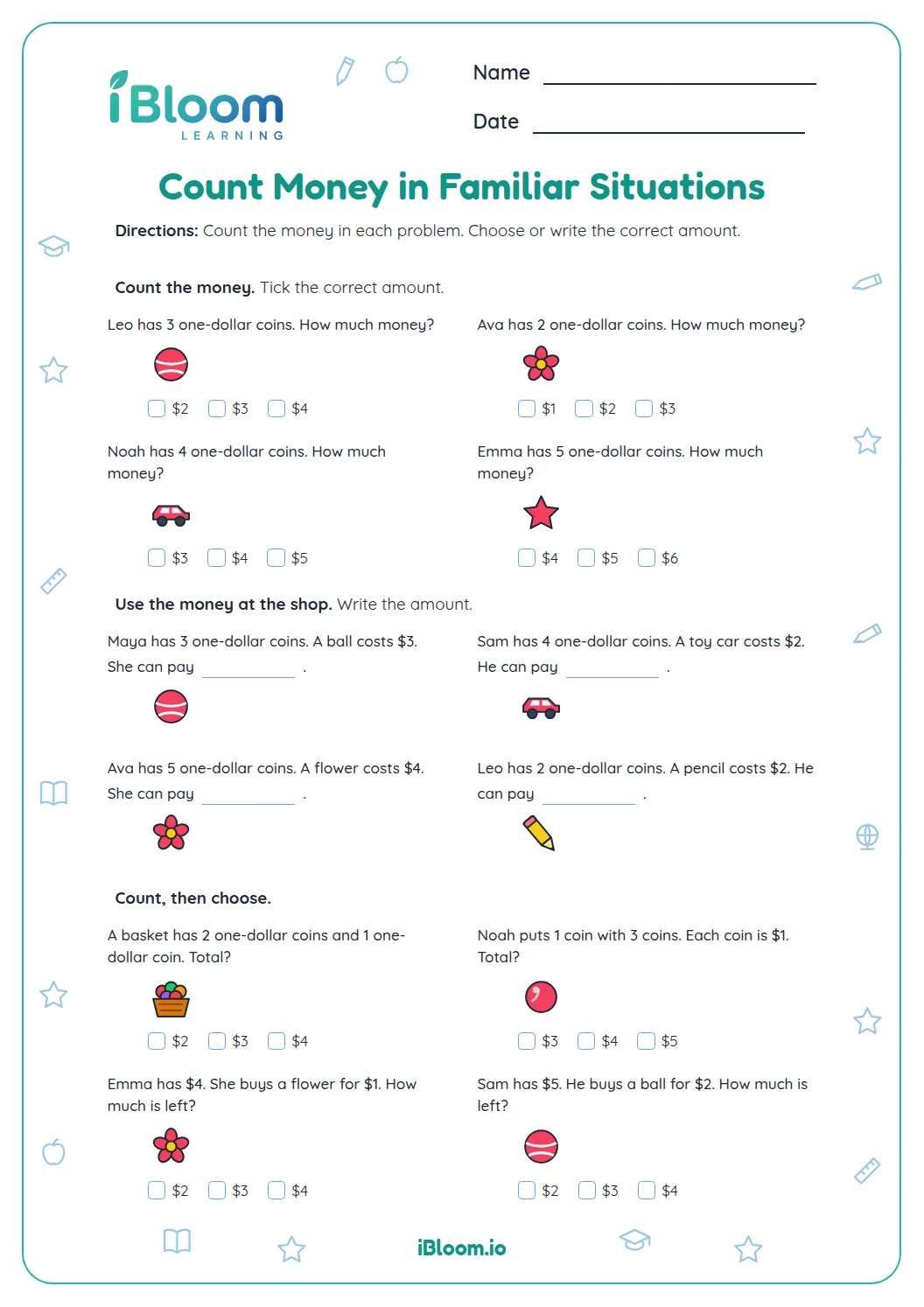
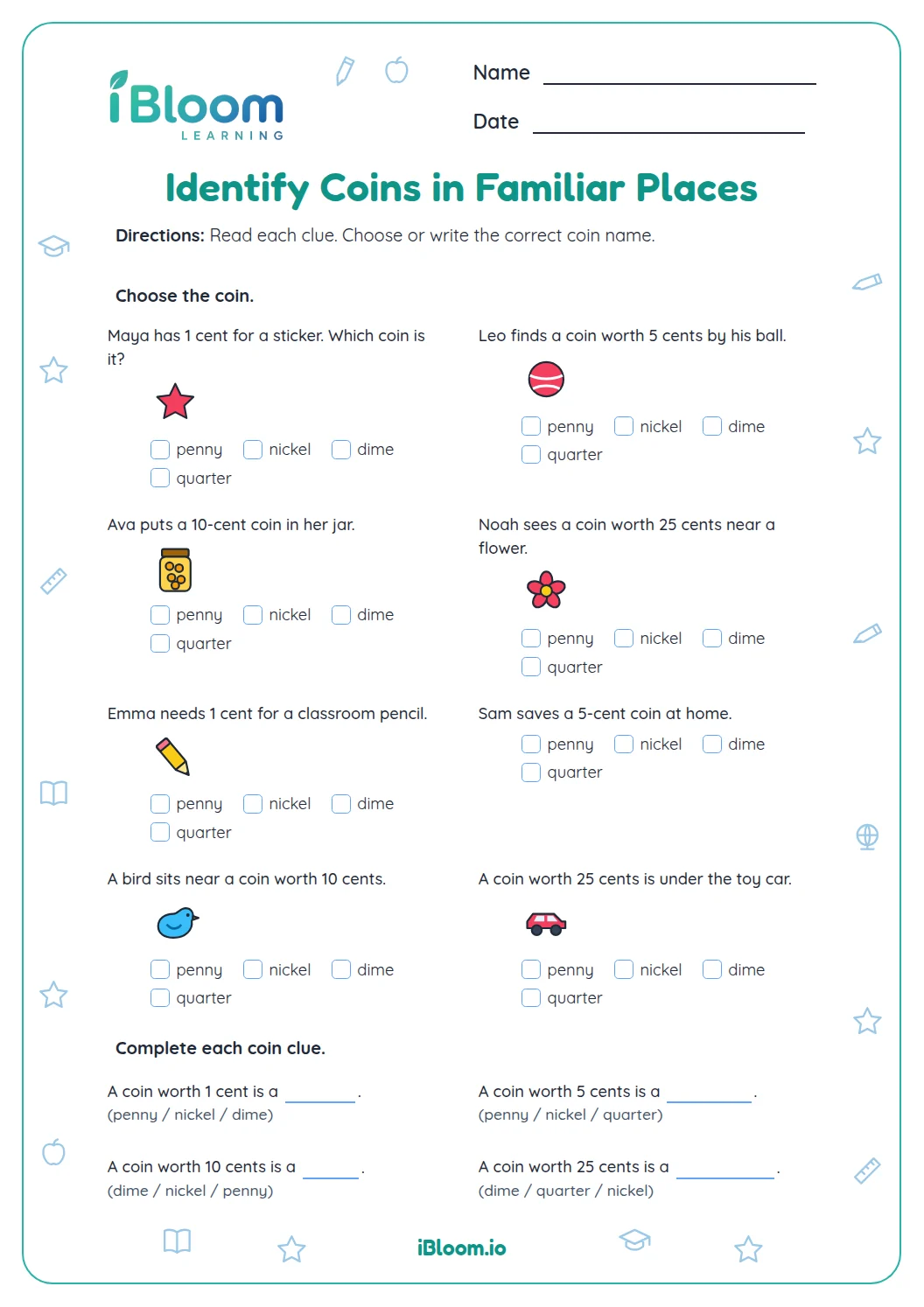
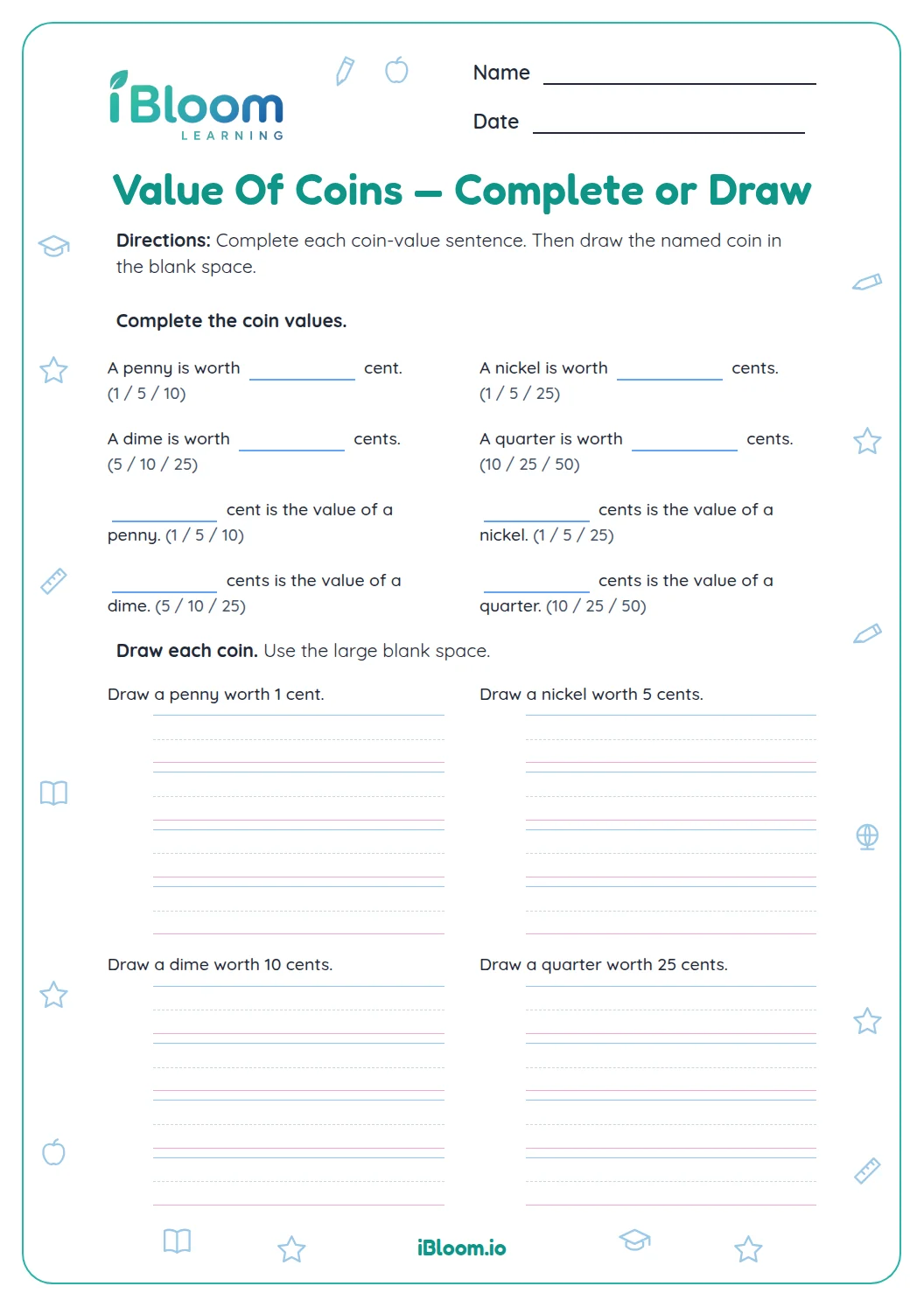
This free printable money worksheet gives preschool and kindergarten learners a gentle introduction to counting US coins. Children identify pennies, nickels, dimes, and quarters in small pictured groups, then choose the total in cents. The 16 questions move from single coins to mixed groups, including a few quarters, and practice the coin-value work described in Common Core 2.MD.C.8. The separate answer key lists each total.
Aligned to 2.MD.C.8
How do I recognize each coin?
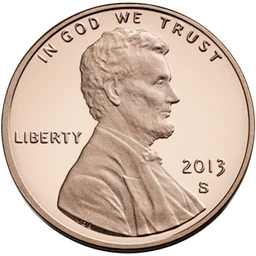
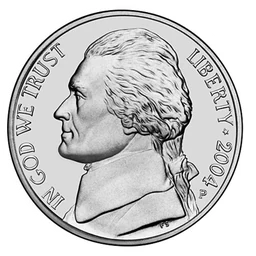
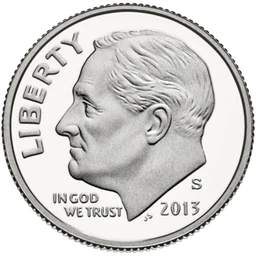
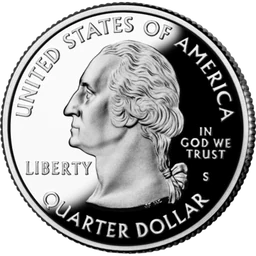
The drawings use real US coin colors, sizes, and edges. A penny is worth 1 cent, a nickel 5 cents, a dime 10 cents, and a quarter 25 cents. Naming coins before adding helps a learner keep the values straight.
How do I count a group of coins?
Add each coin value once. For a nickel and a penny, start at 5 and count one more to reach 6 cents. For two dimes and a penny, count 10, 20, then 21.
- 1Coins: one nickel and one penny
- 2Nickel = 5 cents; penny = 1 cent
- 35 + 1 = 6 cents
How does the practice build?
Part A shows eight coin groups, beginning with single coins and moving to pairs and small sets. Part B gives six short situations with named coins. Every question asks for a total in cents.
- Part A: questions 1–8, pictured coins
- Part B: questions 9–14, short situations
- Write each total in cents
How to use this worksheet
- 1Name the coin or coins before counting.
- 2Say each value aloud: 1, 5, 10, or 25 cents.
- 3Add the values and compare the total with the three choices.
- 4Point to each coin once so none is skipped or counted twice.
- 5Use the key to review coin values and totals.
Common mistakes and quick fixes
The mistake
Calling a dime a nickel because both are small.
The fix
Use the coin name and value together: dime, 10 cents.
The mistake
Counting the number of coins instead of their values.
The fix
Add cents, not pieces; three coins can have different totals.
The mistake
Adding a quarter as 5 cents.
The fix
Remember that a quarter is 25 cents; compare its larger size and ridged edge in the drawing.
Common Core alignment
This worksheet practices the listed Common Core skill through its questions.
Use coin values to solve the pictured money situations.
On this sheet: The coin groups are small money situations: learners name each pictured coin and find its value in cents.
Show the official wordingHide the official wording
Solve word problems involving dollar bills, quarters, dimes, nickels, and pennies, using $ and ¢ symbols appropriately. Example: If you have 2 dimes and 3 pennies, how many cents do you have?
What to practice next
Make more practice
Further reading
Questions parents and teachers ask
Which coin values appear on the worksheet?
The page uses pennies, nickels, dimes, and quarters. They are worth 1, 5, 10, and 25 cents, respectively. Children identify single coins first, then add coin groups and solve short situations. The answer key lists 14 totals. Children can compare the value of each coin as the page progresses.
How should a child count a mixed group?
Name each coin and add its value once. For example, a nickel and a penny are worth 5 + 1 = 6 cents. The pictured coins let a child point to each one while counting, and the key confirms the total.
Are there quarters on the sheet?
Yes. The later questions include quarters with other coins, such as one quarter and one penny. Count the quarter as 25 cents, then add the penny to make 26 cents. The worksheet keeps every answer in cents. Count the cents aloud to keep the total easy to follow.
Can I help if my child does not know coin names yet?
Review the coin names and values together before starting. The early questions show one coin at a time, then small groups; an adult can help the child point to each coin and count its value aloud before writing the total.
Is an answer key included?
Yes. The separate key lists answers to all 14 questions: eight pictured coin groups and six short situations. If a total is missed, name each coin again and add its value in cents. The key is useful for reviewing the coin values as well as totals.