Free printable practice
Seeds Practice Activities
Printable preschool and kindergarten seed activities for observing, sorting, labeling, and sequencing how seeds grow into plants.
Practice that builds confidence
What children learn about seeds
These preschool and kindergarten science worksheets help children notice that seeds come in different sizes, shapes, and colors, and that many plants begin as seeds. Children practise observing carefully, using plant vocabulary, and connecting a seed to the plant it may become.
The printable activities include simple matching, tracing, coloring, cut-and-paste sequencing, seed sorting, and early labeling tasks. They fit naturally into a plants and animals unit, a spring theme, or a hands-on classroom seed investigation.
Seed work begins with close looking: a bean seed is not the same as a sunflower seed, and a tiny seed can grow into a much larger plant. These worksheets guide children to compare seeds by size, shape, color, and texture, then connect seeds with basic plant needs such as water, sunlight, soil, and air. Vocabulary may include seed, plant, root, stem, leaf, grow, sprout, and seedling.
Skill progression on the page
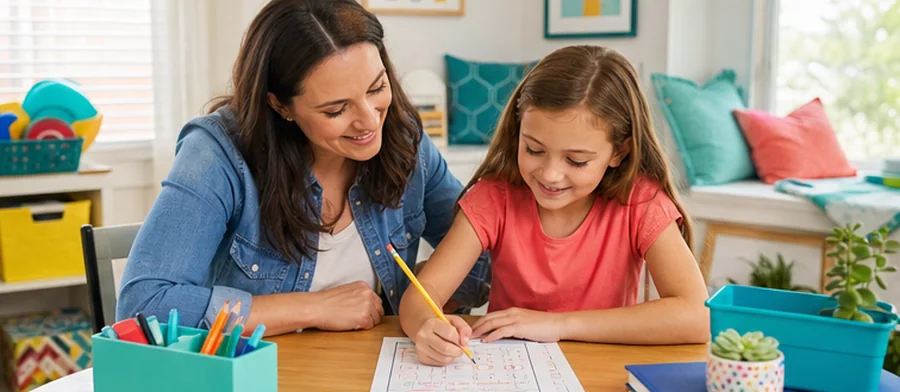
The activities move from recognition to explanation. Younger preschoolers can circle, color, match, and sort pictures of seeds. Older preschool and kindergarten children can trace words, label simple plant-growth pictures, and place seed-to-plant events in order. Cut-and-paste pages build fine motor control while also strengthening the idea that growing happens in a sequence, not all at once.
A simple parent routine
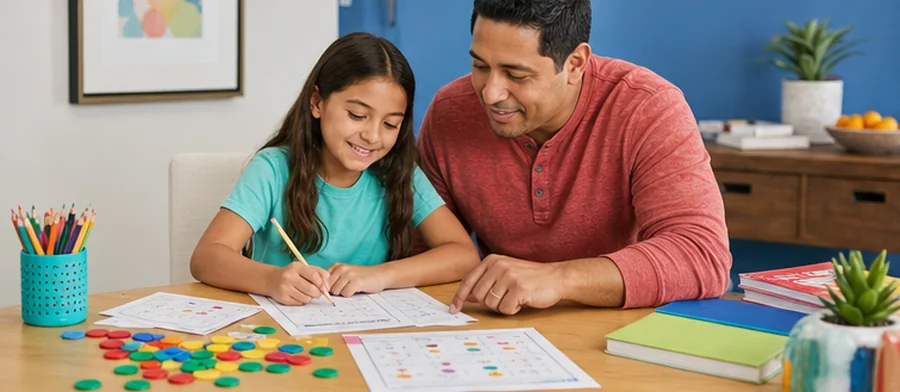
At home, choose one worksheet and pair it with a real seed from the kitchen or garden, such as a bean, pea, or sunflower seed. Ask: “What do you notice?” “Is it big or small?” “What might it need to grow?” After the page, place a seed in a damp paper towel or cup of soil and let your child draw what changes. Keep the talk short and concrete so the worksheet connects to real observation.
Classroom uses for teachers
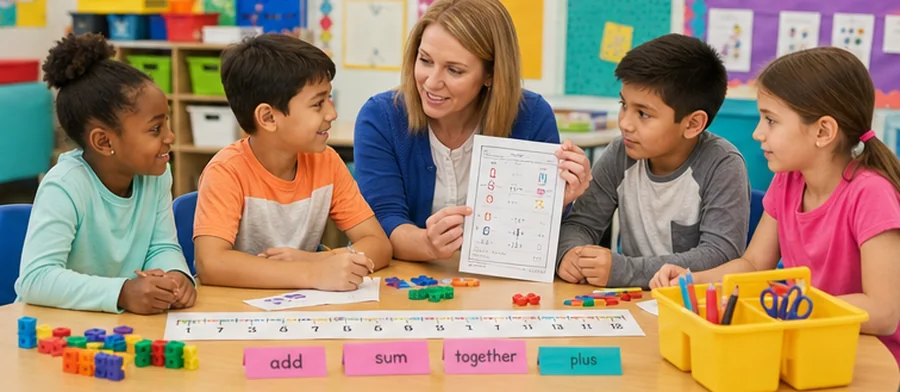
Teachers can use these printables in science centers, small groups, morning tubs, or after a read-aloud about planting. Sorting pages work well with trays of real seeds, while sequencing pages support a whole-class discussion about first, next, and last. Labeling pages can become part of a plant journal or bulletin board during a plants and animals unit.
Common mix-ups to watch for
Children may think all seeds look alike, that seeds are “dead,” or that a plant appears immediately after watering. They may also confuse seeds with fruits or flowers. Encourage careful language: a seed can be inside a fruit, and it can grow when conditions are right. If a child sequences pictures incorrectly, retell the story with gestures: seed in soil, sprout up, leaves open.
Free printable PDF download
Use this seeds worksheets for preschool and kindergarten page to preview the activity, print it, or download it as a PDF for quick practice. It works well for homework, homeschool lessons, tutoring, morning work, revision, and classroom centers.
Answers and answer key support
After the child completes the worksheet independently, parents and teachers can use the answer support or answer key information to check the work, review mistakes, and choose the next practice step.
Why iBloom worksheets help
iBloom seed worksheets are designed for early learners who need pictures, movement, and simple choices before longer explanations. The pages combine science vocabulary with observation, matching, sequencing, and fine motor practice, so children can show understanding in more than one way. A child-friendly strategy is: “Look closely, say what you see, then choose or place the picture.”
Helpful answers
Frequently asked questions
What do preschool and kindergarten children learn from seed worksheets?
They learn to observe seed features, compare seeds, use basic plant words, and understand that many plants begin as seeds and grow in stages.
Can these worksheets be used with real seeds?
Yes. The activities work especially well with real beans, peas, sunflower seeds, or other safe seeds so children can compare pictures with objects they can see and touch.
Are these seed activities suitable for children who cannot read yet?
Yes. Many tasks use pictures, matching, coloring, sorting, and cut-and-paste work. Adults can read any labels or directions aloud.
How can I connect a seed worksheet to a hands-on science activity?
After completing a page, let the child plant a seed or place one in a damp paper towel. Have them draw or talk about what changes over the next few days.
What common misunderstanding should I address during a seed lesson?
Children may think watering alone makes a plant appear instantly. Use sequencing pictures and real observations to show that seeds need the right conditions and grow gradually.
Is this seeds worksheets for preschool and kindergarten free?
Yes. You can preview it for free and use the printable worksheet for home or classroom practice.
Can I download this seeds worksheets for preschool and kindergarten as a PDF?
Yes. Use the worksheet download option to save a printable PDF, or print the worksheet directly from the page.
Does this seeds worksheets for preschool and kindergarten include answers or an answer key?
When the activity has fixed answers, iBloom includes answer support so parents and teachers can check the completed worksheet.