Free printable practice
Conclusions Inferences Practice Activities
Grade 2 worksheets that help children use story clues and prior knowledge to make sensible conclusions and inferences while reading.
Practice that builds confidence
Building the skill step by step
These Grade 2 reading comprehension worksheets help children move beyond “what the text says” to “what the text means.” Students practise drawing conclusions, making inferences, and explaining which clues helped them decide.
The printable activities include short passages, picture or sentence clues, multiple-choice and written-response questions, and prompts that ask children to support their thinking with evidence from the text.
In the Reading Comprehension > Grade 2 > Comprehension Exercises sequence, conclusions and inferences are a key bridge between basic recall and deeper understanding. Children read a short text, notice details, and combine those clues with what they already know. For example, if a character grabs an umbrella and the sky is dark, a child can infer that rain may be coming.
What children learn to notice
These worksheets guide students to look for actions, feelings, setting details, dialogue, and cause-and-effect clues. They practise vocabulary such as clue, evidence, infer, conclude, likely, and probably. Questions may ask what a character is feeling, why something happened, what might happen next, or which sentence best supports an answer.
A simple parent routine
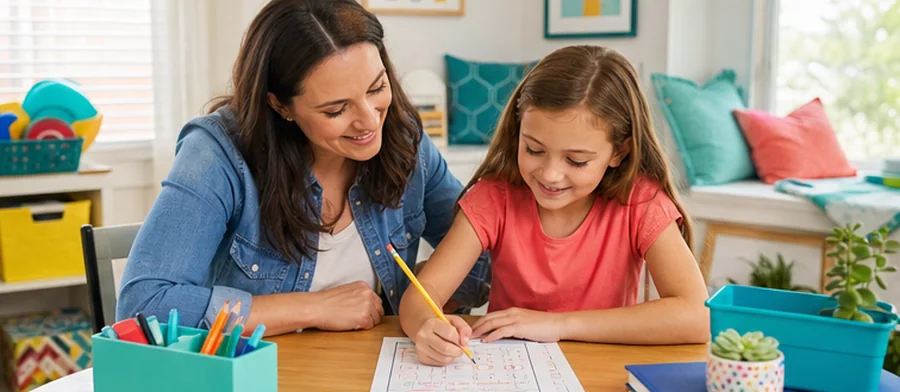
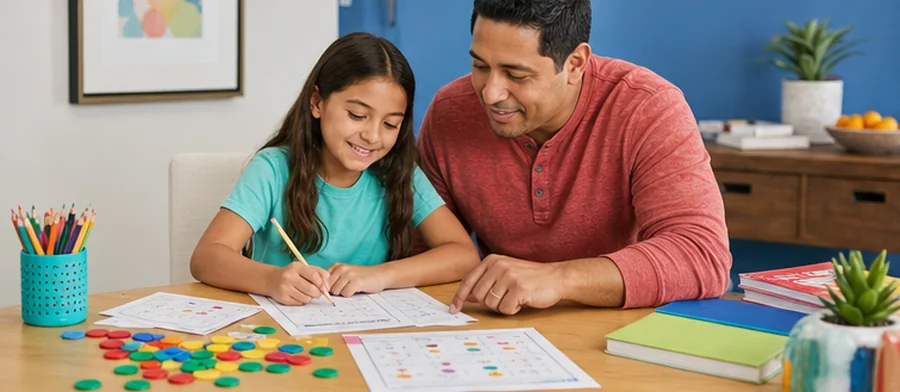
At home, read one passage aloud together first, then let your child reread it independently. Ask, “What clue in the story helped you think that?” Encourage them to underline or point to the exact words. If an answer seems like a guess, return to the text and say, “Let’s find the evidence.” Finish by having your child explain the answer in one complete sentence: “I think ___ because ___.”
Classroom uses for teachers
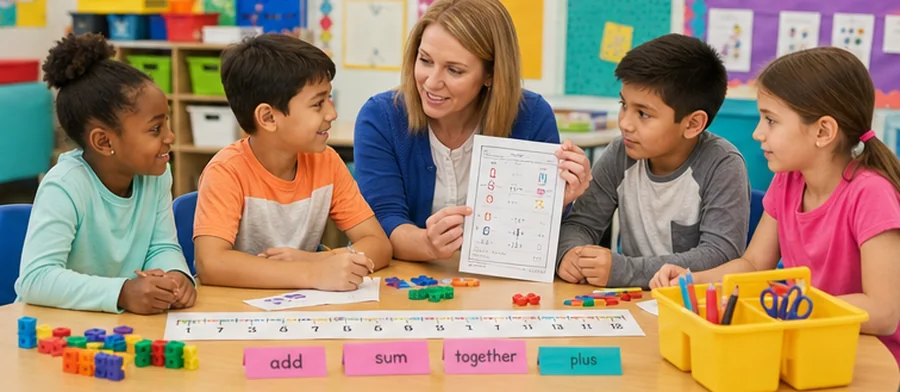
Teachers can use these printables for small-group reading, morning work, comprehension centers, partner discussion, or quick checks after a mini-lesson. They also work well for modeling the difference between a fact stated in the passage and an inference that must be figured out. Students can compare answers and defend them with text clues.
Common errors to watch for
Second graders may choose an answer based only on personal experience, ignore a clue in the passage, or treat an inference as if it must be directly stated. Some children also overreach and predict something not supported by the text. Remind them that a strong inference needs both story evidence and sensible thinking.
Free printable PDF download
Use this grade 2 conclusions inferences worksheet page to preview the activity, print it, or download it as a PDF for quick practice. It works well for homework, homeschool lessons, tutoring, morning work, revision, and classroom centers.
Answers and answer key support
After the child completes the worksheet independently, parents and teachers can use the answer support or answer key information to check the work, review mistakes, and choose the next practice step.
Why iBloom worksheets help
iBloom worksheets keep the passages accessible while making the thinking visible. The mix of short texts, focused questions, and evidence-based prompts helps children practise a child-friendly strategy: read the words, find the clues, think about what makes sense, then answer. This routine builds confidence for more complex comprehension tasks later.
Helpful answers
Frequently asked questions
What is the difference between a conclusion and an inference in Grade 2 reading?
For Grade 2 students, both skills involve using clues from the text. An inference is a sensible idea the reader figures out, while a conclusion is the decision the reader reaches after putting the clues together.
How can I help my child stop guessing at inference questions?
Ask your child to point to the exact words or details that helped them answer. A useful sentence frame is, “I think this because the passage says ___.”
Are these worksheets only for story passages?
They are designed for Grade 2 reading comprehension practice and may include short narrative-style passages or brief text situations where children must use clues to understand meaning.
What kinds of questions do these inference activities include?
Children may answer questions about a character’s feelings, why an event happened, what is likely true, what may happen next, or which detail best supports a conclusion.
Can teachers use these worksheets in reading centers?
Yes. They work well for comprehension centers, small groups, partner reading, independent practice, or a quick follow-up after teaching how to use text clues.
Is this grade 2 conclusions inferences worksheet free?
Yes. You can preview it for free and use the printable worksheet for home or classroom practice.
Can I download this grade 2 conclusions inferences worksheet as a PDF?
Yes. Use the worksheet download option to save a printable PDF, or print the worksheet directly from the page.
Does this grade 2 conclusions inferences worksheet include answers or an answer key?
When the activity has fixed answers, iBloom includes answer support so parents and teachers can check the completed worksheet.