Free printable practice
Conclusions Inferences Practice Activities
Grade 5 printable reading worksheets help students draw conclusions and make inferences using text clues, background knowledge, and evidence.
Practice that builds confidence
From text clues to thoughtful conclusions
These Grade 5 reading comprehension worksheets focus on drawing conclusions and making inferences—skills students need when an author suggests an idea instead of stating it directly. Children practise noticing clues, combining them with what they already know, and explaining their thinking with evidence from the passage.
The printable activities include short fiction and nonfiction texts, inference questions, conclusion prompts, and evidence-based answer tasks. Students work on character feelings, unstated causes, likely outcomes, author meaning, and reasonable conclusions supported by the text.
In Grade 5, readers move beyond finding answers that are written word-for-word. These worksheets ask students to notice details such as a character’s actions, a change in setting, a surprising fact, or a narrator’s tone. They then use those clues to infer what is probably true. For example, if a character checks the clock, taps a pencil, and keeps looking at the door, students may infer that the character is nervous or waiting for someone.

Building evidence-based answers
A strong inference is not a guess. It is a conclusion supported by the passage. Activities guide students to underline clues, choose the best answer, and write short explanations using phrases such as “I know this because…” or “The text says…”. This helps children connect their ideas to specific evidence instead of relying only on personal opinion.
A simple routine for parents
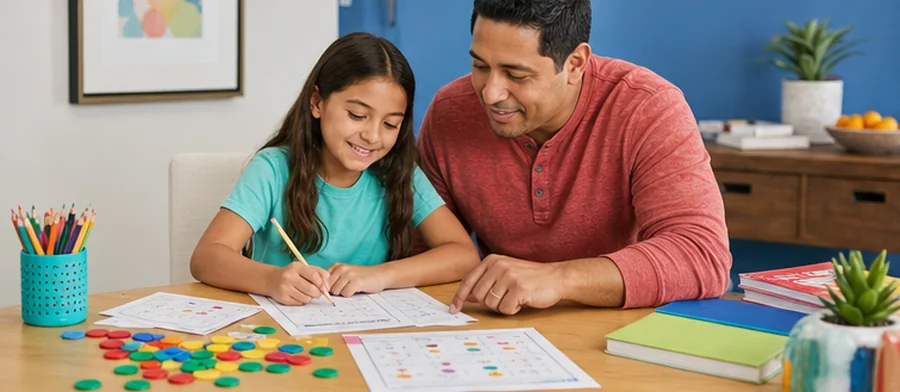
At home, read one passage together and ask your child to pause after an important paragraph. Ask, “What can we figure out that the author did not say directly?” Then have your child point to two clues that support the answer. If the inference is too broad, return to the sentence or detail that led to it and refine the conclusion together.
Classroom uses for teachers
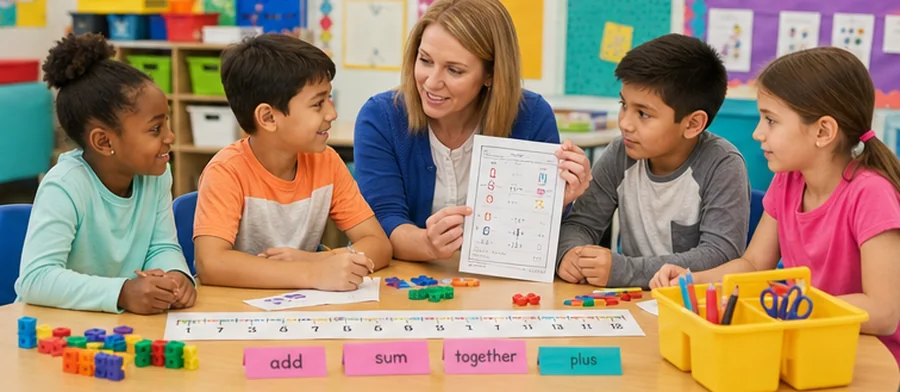
Teachers can use these printables for small-group reading, comprehension centers, early finisher work, or independent practice after a mini-lesson on inference. They also work well for discussion: students can compare answers and decide which conclusion is best supported by the text. This is especially useful when more than one answer sounds possible, but only one is fully backed by evidence.
Common errors to watch for
Some students confuse inference with prediction, so they may focus only on what might happen next instead of what is already suggested. Others make conclusions based on their own experiences without checking the passage. Encourage students to avoid words like “always” or “definitely” unless the text proves them. A helpful child-friendly strategy is: read the clue, think what it means, then prove it with another clue.
Free printable PDF download
Use this grade 5 conclusions inferences worksheet page to preview the activity, print it, or download it as a PDF for quick practice. It works well for homework, homeschool lessons, tutoring, morning work, revision, and classroom centers.
Answers and answer key support
After the child completes the worksheet independently, parents and teachers can use the answer support or answer key information to check the work, review mistakes, and choose the next practice step.
Why iBloom worksheets help
The activities progress from direct clue-finding to more independent reasoning, giving Grade 5 readers repeated practice with the same thinking process in varied passages. Clear question types, short written responses, and evidence prompts help students slow down, explain their reasoning, and become more confident readers.
Helpful answers
Frequently asked questions
What is the difference between drawing a conclusion and making an inference?
Both skills are closely connected. Making an inference means using text clues and background knowledge to understand something not directly stated. Drawing a conclusion is the result of that thinking—the reasonable idea the reader decides is true based on the evidence.
Are these worksheets suitable for independent Grade 5 practice?
Yes. Many students can complete them independently, especially after a short reminder to underline clues and support answers with evidence. Students who struggle with comprehension may benefit from reading the first passage with an adult or in a small group.
What kinds of inference questions are included?
The worksheets may ask students to infer character feelings, unstated reasons, likely outcomes, the meaning behind actions, or the author’s implied message. Students are encouraged to support their answers with details from the passage.
How can I help my child avoid guessing on inference questions?
Ask your child to name the clue that led to the answer. If they cannot point to a word, sentence, or event in the passage, the answer may be a guess. Have them reread and choose two details that support their conclusion.
Can teachers use these worksheets in reading groups?
Yes. They are useful for guided reading, comprehension centers, partner discussion, and follow-up practice after teaching inference. Teachers can also have students compare which text clues best support each conclusion.
Is this grade 5 conclusions inferences worksheet free?
Yes. You can preview it for free and use the printable worksheet for home or classroom practice.
Can I download this grade 5 conclusions inferences worksheet as a PDF?
Yes. Use the worksheet download option to save a printable PDF, or print the worksheet directly from the page.
Does this grade 5 conclusions inferences worksheet include answers or an answer key?
When the activity has fixed answers, iBloom includes answer support so parents and teachers can check the completed worksheet.