


About this worksheet
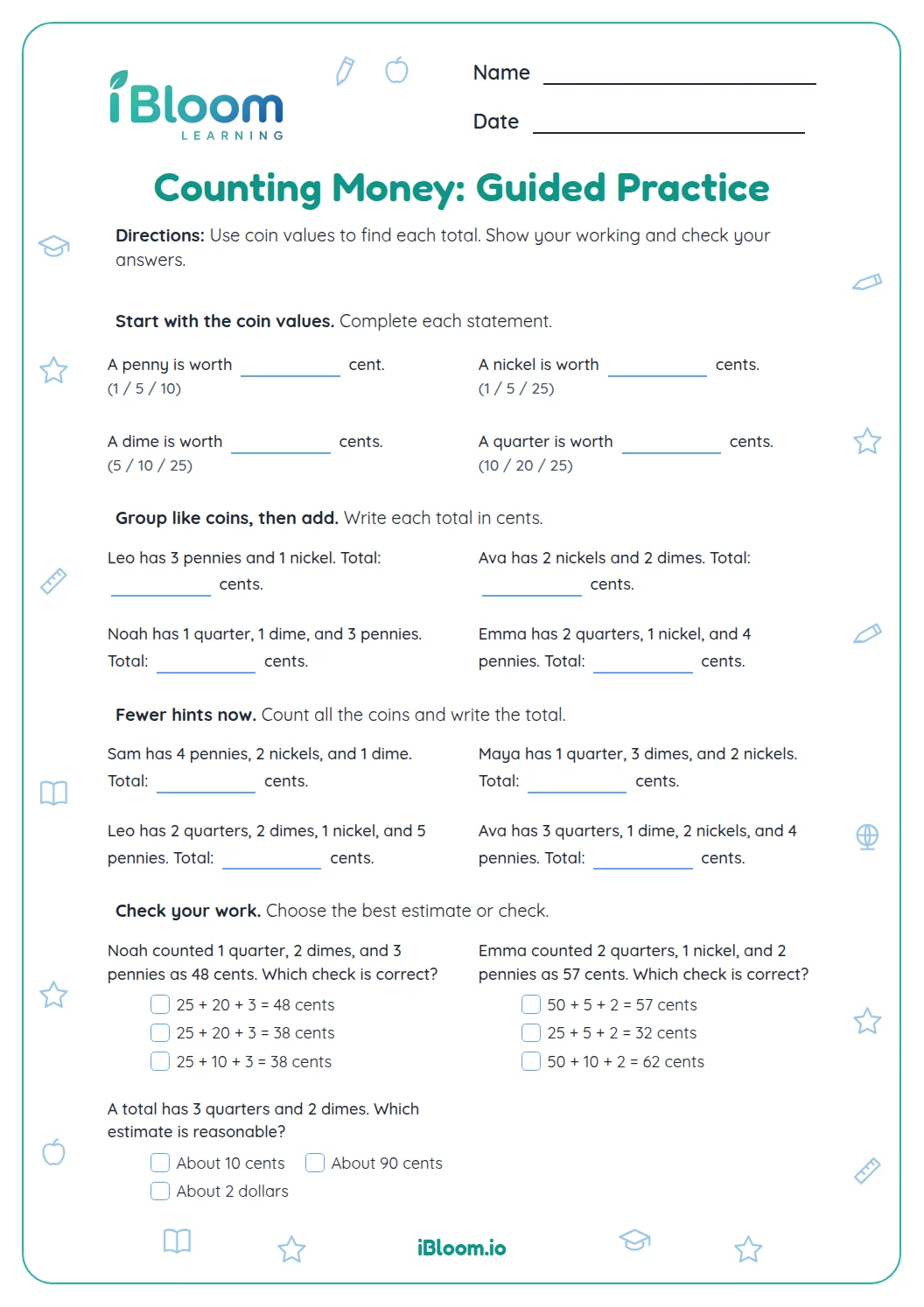
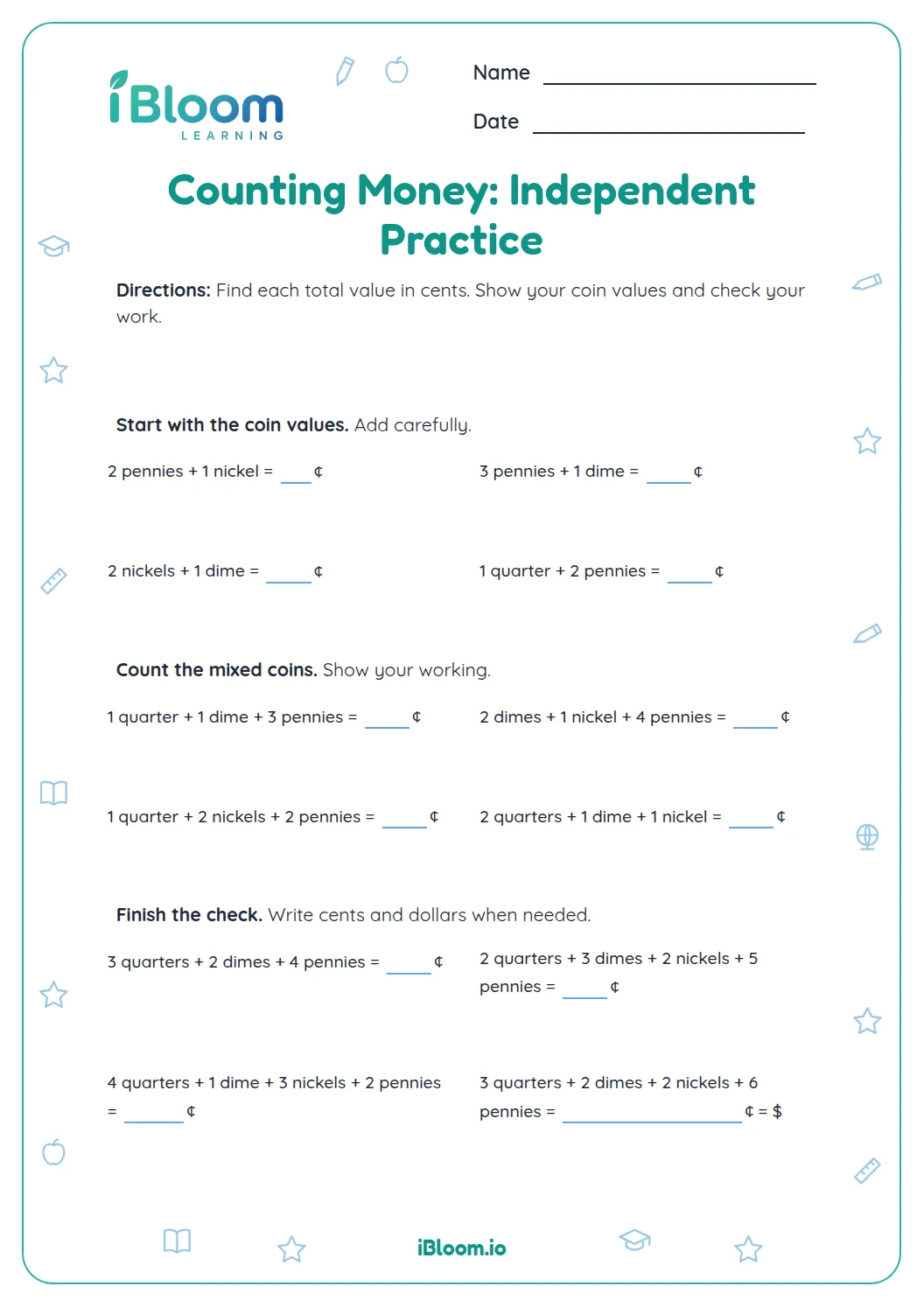
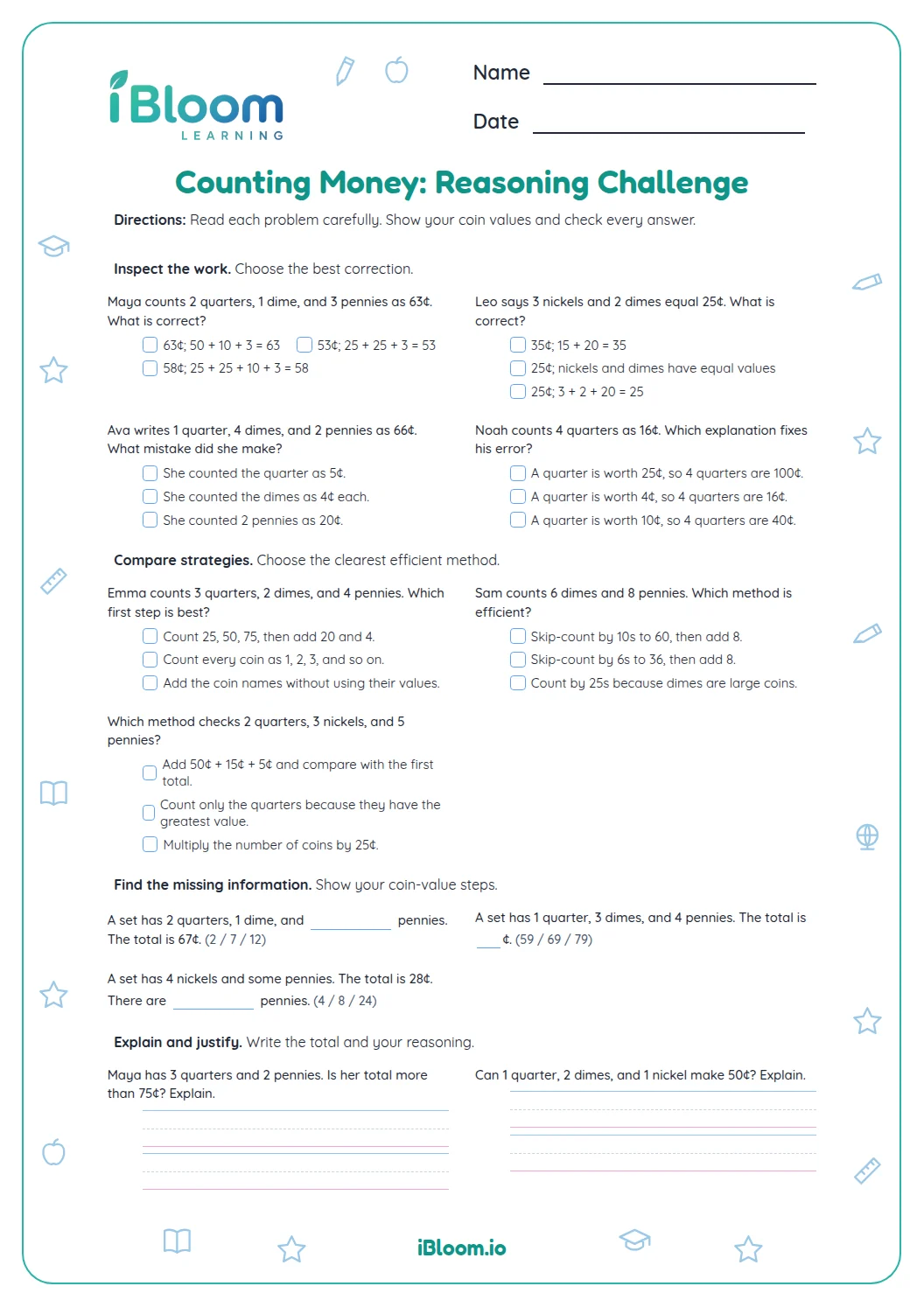
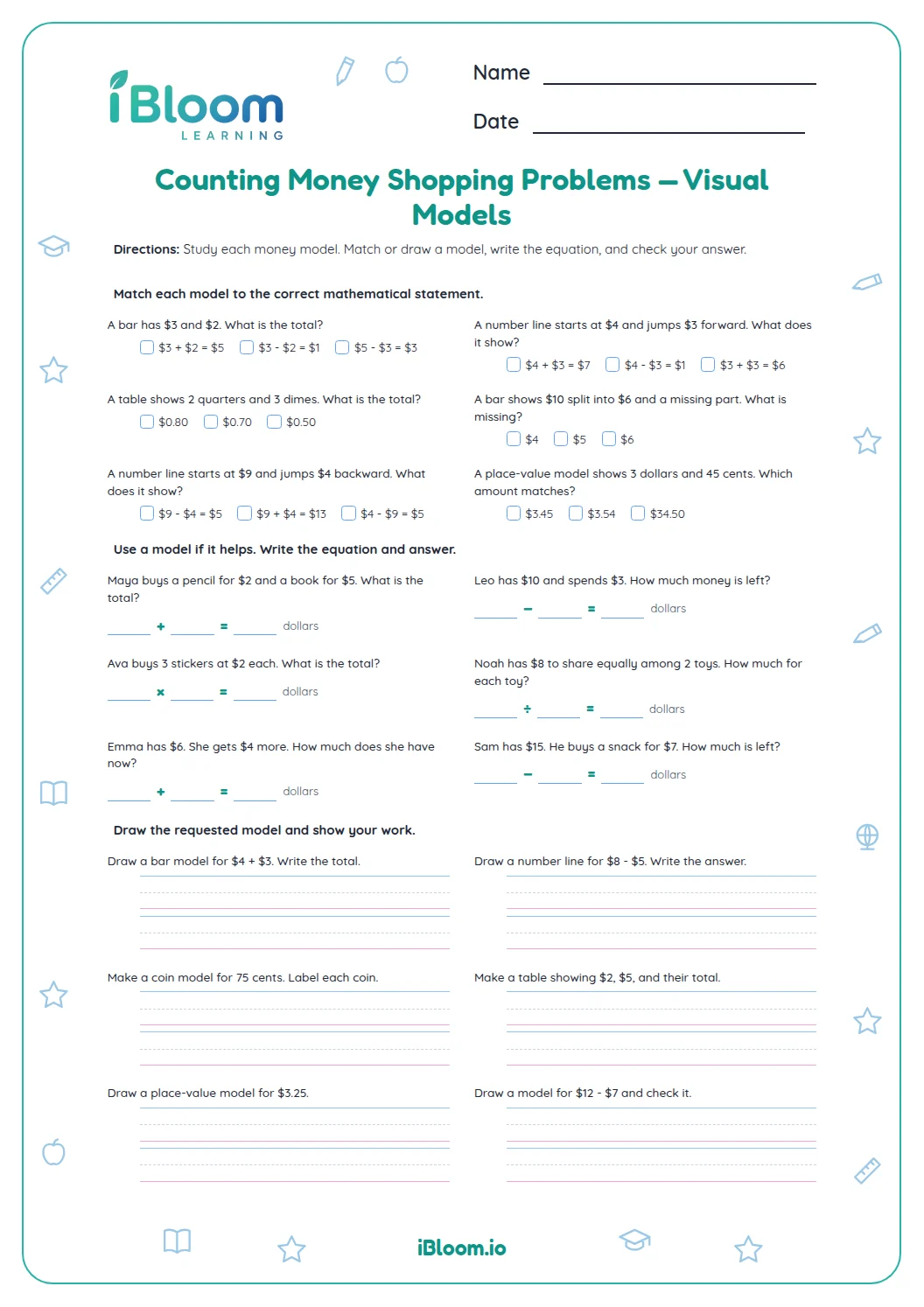
This printable gives Grade 3 learners 16 ways to work with pennies, nickels, dimes, and quarters. Eight illustrated coin groups build careful counting, followed by short shopping and money situations involving totals, change, and exact payment. The answer key is separate. It practices the coin problem context described in CCSS 2.MD.C.8.
Aligned to 2.MD.C.8
How do children count a mixed coin group?
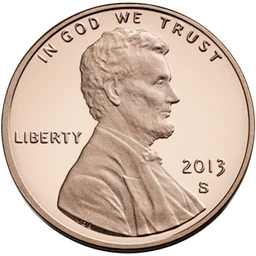
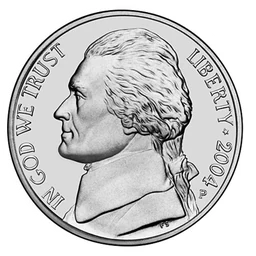
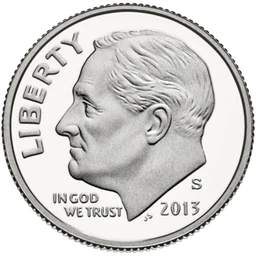
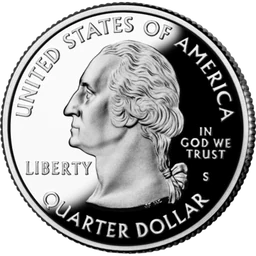
Start with the coin worth the most and count on. A quarter is 25¢, a dime is 10¢, a nickel is 5¢, and a penny is 1¢. Group like coins mentally when that makes the total easier.
Question 2 shows a quarter, a dime, a nickel, and two pennies: 25¢ + 10¢ + 5¢ + 2¢ = 42¢. Saying the running total helps avoid skipping a coin.
- 125¢ + 10¢ = 35¢
- 235¢ + 5¢ = 40¢
- 340¢ + 2¢ = 42¢
How do the shopping stories use coin values?
The later problems ask learners to combine prices, compare a payment with a cost, or find money left. Question 9 gives 50¢ for a 38¢ bookmark, so subtract 38¢ from 50¢ to get 12¢. The story tells you whether to add or subtract.
What kinds of questions are included?
The first part uses coin drawings so children can count actual U.S. coin types. The second part uses brief everyday contexts. Amounts stay in cents unless a dollar amount is the natural answer.
- Part A: count eight pictured coin sets
- Part B: solve eight shopping, payment, total, and change situations
- A separate answer key supports checking
How to use this worksheet
- 1Name the coins aloud before adding their values.
- 2For pictured groups, add the largest values first and count each coin once.
- 3Underline the cost and payment in a story.
- 4Choose addition for combined prices and subtraction for change or money left.
- 5Check that the answer uses cents or dollars as the story expects.
Mistakes to watch for
The mistake
Adding the number of coins instead of their values.
The fix
Say each coin’s value first; four coins can have many different totals.
The mistake
Subtracting the price from the wrong amount in a change problem.
The fix
Start with the amount paid, then take away the cost.
The mistake
Writing a coin total without a money unit.
The fix
Add ¢ for a cents total or $ for a dollar amount.
Common Core alignment
This sheet practices solving money situations with familiar U.S. coins.
Solve coin word problems with dollar and cent symbols.
On this sheet: The story problems use the named U.S. coins and cent amounts.
Show the official wordingHide the official wording
Solve word problems involving dollar bills, quarters, dimes, nickels, and pennies, using $ and ¢ symbols appropriately. Example: If you have 2 dimes and 3 pennies, how many cents do you have?
What to practice next
Make more practice
Further reading
Questions parents and teachers ask
Which coins appear on the worksheet?
The pictured sets use pennies, nickels, dimes, and quarters. Children name each coin and add its value before moving to shopping situations. Those stories ask about totals, exact payment, money left, and change, using familiar U.S. coins. Count each coin once.
Does the worksheet include an answer key?
Yes. The separate key gives each pictured coin total and the result of every money story. Have the learner finish a section before checking it. If an amount differs, name the coins again and track each value in a running total.
How should my child find change?
Begin with the amount paid and subtract the item’s price. For example, paying 50¢ for a 38¢ bookmark leaves 12¢. Children may also count up from the price to the payment, as long as they check that the difference is correct.
Should answers include a money symbol?
Yes. Use ¢ for a cents amount and $ for a dollar amount. The coin questions ask for cents, while the story about Nia’s coins is keyed as $0.80. Keep the symbol with the number so the written amount is easy to read.
Can I use this for home or classroom practice?
Yes. The sheet can be used for independent practice or a short guided review. An adult can model one coin group, then have the learner complete the remaining pictures and money situations before checking each amount with the separate key.