






About this worksheet
This Grade 3 printable has 14 questions about counting US coins and using money in shopping situations. Part A asks children to add pictured pennies, nickels, dimes, and quarters; Part B asks for change or the amount still needed. The separate answer key shows each result. The questions practice CCSS 2.MD.C.8 by solving money problems with coin values and prices.
Aligned to 2.MD.C.8
How do you find the value of a coin group?
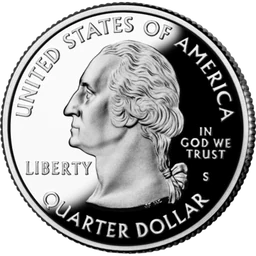
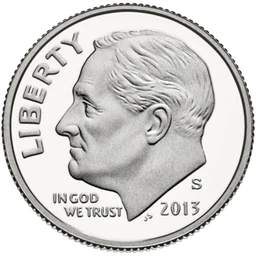
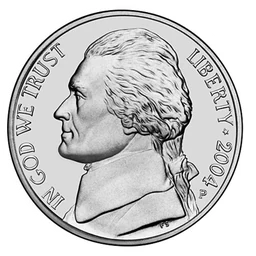
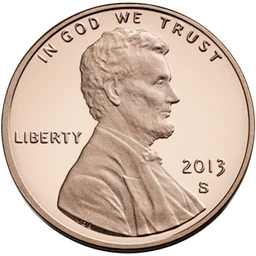
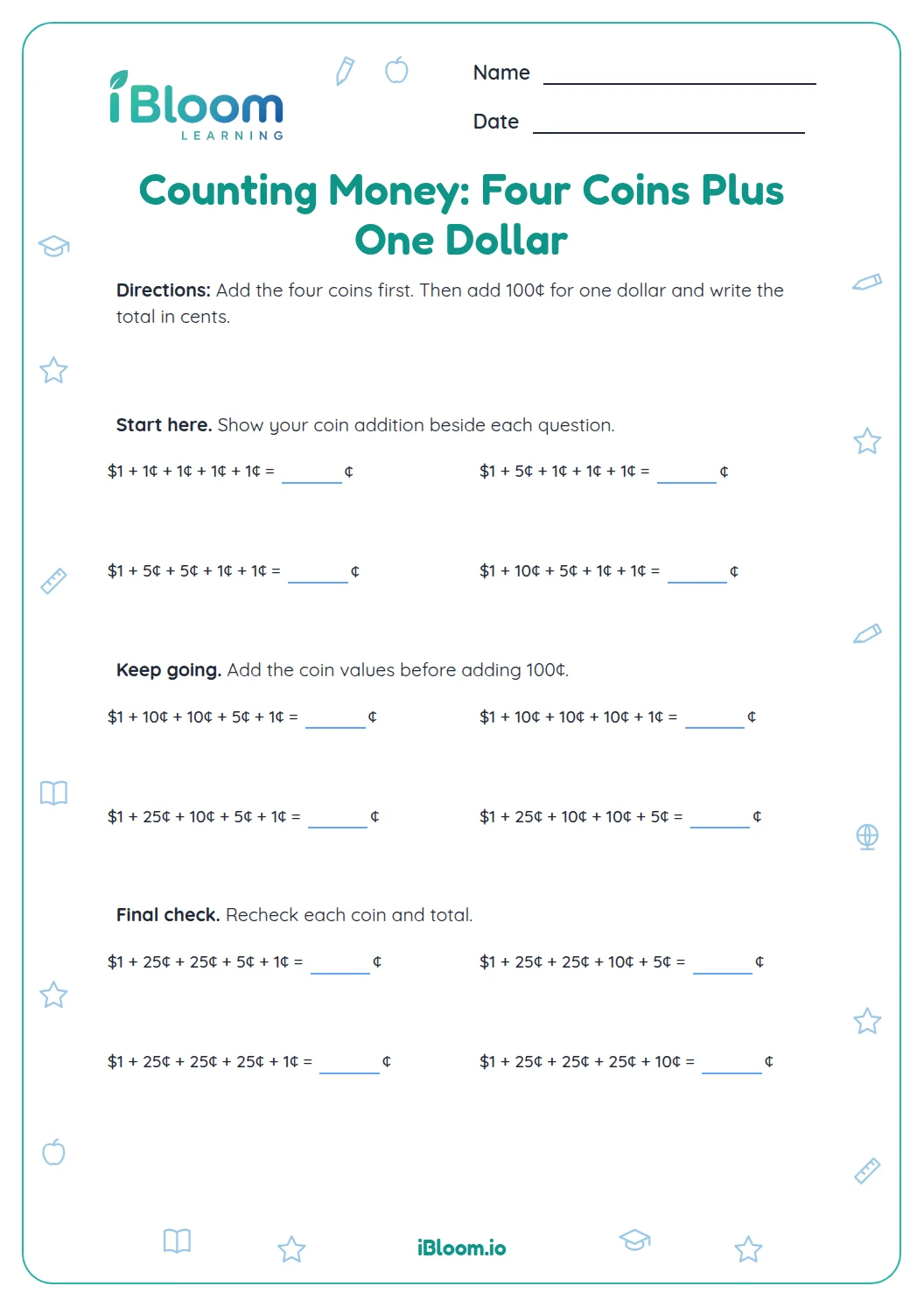
Start with the largest coin and add one value at a time. A quarter is 25¢, a dime is 10¢, a nickel is 5¢ and a penny is 1¢.
Question 1 has a quarter, dime and nickel: 25¢ + 10¢ + 5¢ = 40¢. Keeping a running total helps avoid counting the coins as if they were all the same.
- 125¢ + 10¢ + 5¢
- 235¢ + 5¢ = 40¢
How can you tell whether you have enough?
Add the coins first. If the total is below the price, subtract the total from the price to find how much more is needed. For example, 60¢ toward a 75¢ item leaves 15¢ still needed.
How can I check the difference?
Question 7 asks how much more is needed when a shopper has 36¢ and the item costs 55¢. Subtract 55¢ − 36¢ to get 19¢. Add the 19¢ gap back to 36¢ to check that it reaches the 55¢ price.
How can I check the difference?
Question 7 asks how much more is needed when a shopper has 36¢ and the item costs 55¢. Subtract 55¢ − 36¢ to get 19¢. Add the 19¢ gap back to 36¢ to check that it reaches the 55¢ price.
How can I use this worksheet?
- 1Name each coin's value before adding.
- 2Add the coins in a steady order and record the running total.
- 3For a price question, write the coin total first.
- 4Subtract the total from the price when you need more.
- 5For the final questions, decide whether the total is enough before finding the difference.
Common mistakes and quick fixes
The mistake
Counting a nickel as 10¢.
The fix
Say the values aloud: nickel 5¢, dime 10¢, quarter 25¢.
The mistake
Subtracting the price from the coins when the coins are short.
The fix
Use price minus coin total to find the amount still needed.
The mistake
Writing dollars when the total is under one dollar.
The fix
Use the cent sign for totals such as 85¢.
Common Core alignment
This worksheet practices the standard below through its questions.
Solve shopping problems by combining coin values and comparing them with a price.
On this sheet: Each shopping problem combines coin values and checks whether the total meets a price.
Show the official wordingHide the official wording
Solve word problems involving dollar bills, quarters, dimes, nickels, and pennies, using $ and ¢ symbols appropriately. Example: If you have 2 dimes and 3 pennies, how many cents do you have?
What to practice next
Make more practice
Further reading
Questions parents and teachers ask
What coin values appear?
The questions use pennies, nickels, dimes, and quarters. Children add the pictured coin values in Part A, then use amounts in cents to work out change or how much more is needed in Part B. The separate key gives a cents answer for each question.
How do you find the total of several coins?
Name each coin value and add them, starting with a coin that is easy to count. For Question 1, 25¢ + 10¢ + 5¢ = 40¢. Pointing to each coin as its value is added helps keep track of the running total.
How do you find the amount still needed?
Subtract the money available from the price. For example, if an item costs 55¢ and the shopper has 36¢, compute 55¢ − 36¢ = 19¢. The answer is the gap between the amount on hand and the price.
How many questions are included?
There are 14 questions in two parts. Part A has five coin-total questions; Part B has nine shopping situations about change or the amount still needed. The worksheet and its answer key each have three pages, with the key in question order.
Is an answer key included?
Yes. A separate three-page answer key follows the worksheet question order and gives each coin total or shopping difference. For a useful check, ask the child to explain whether the answer is change left or money still needed.