



About this worksheet
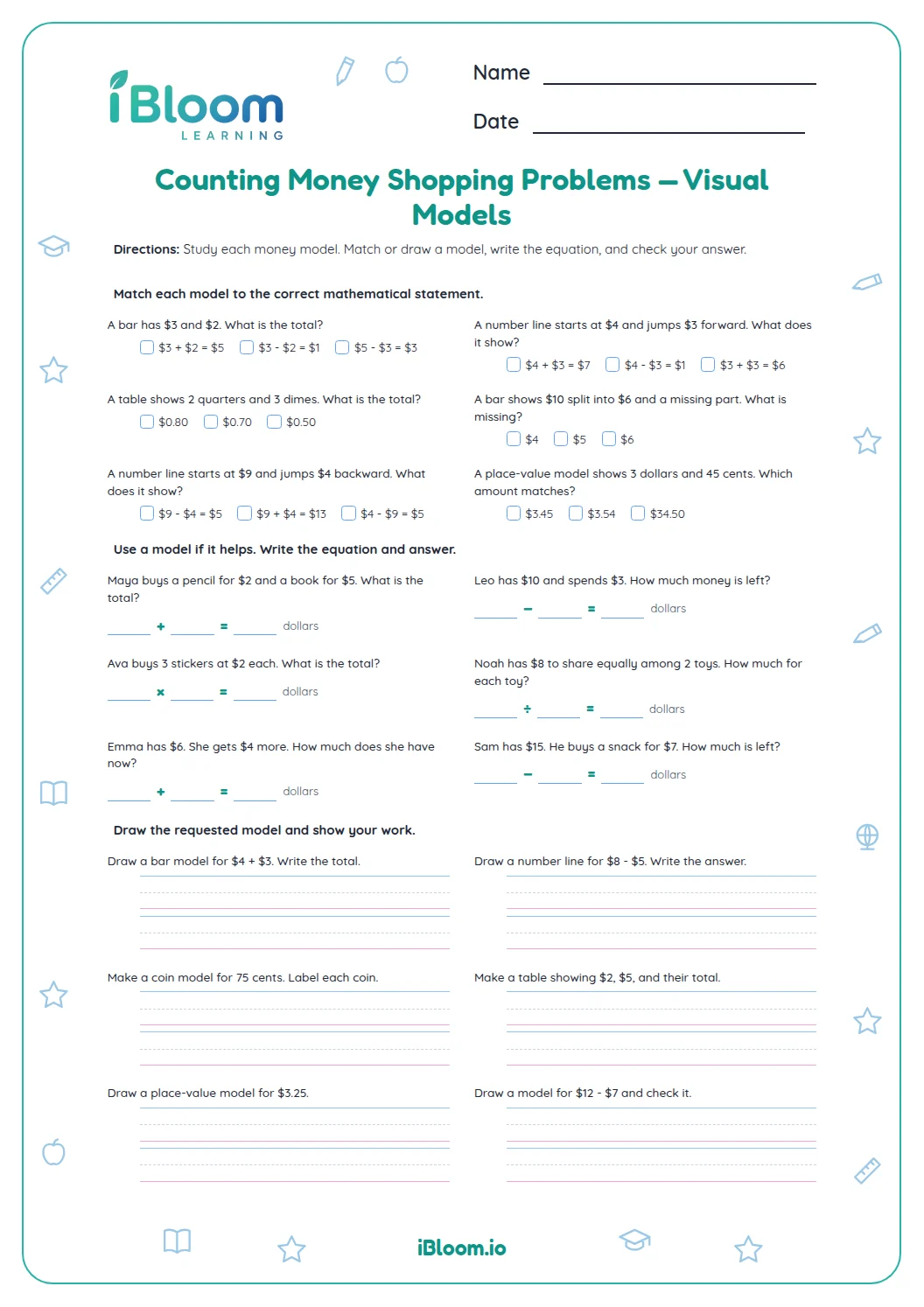
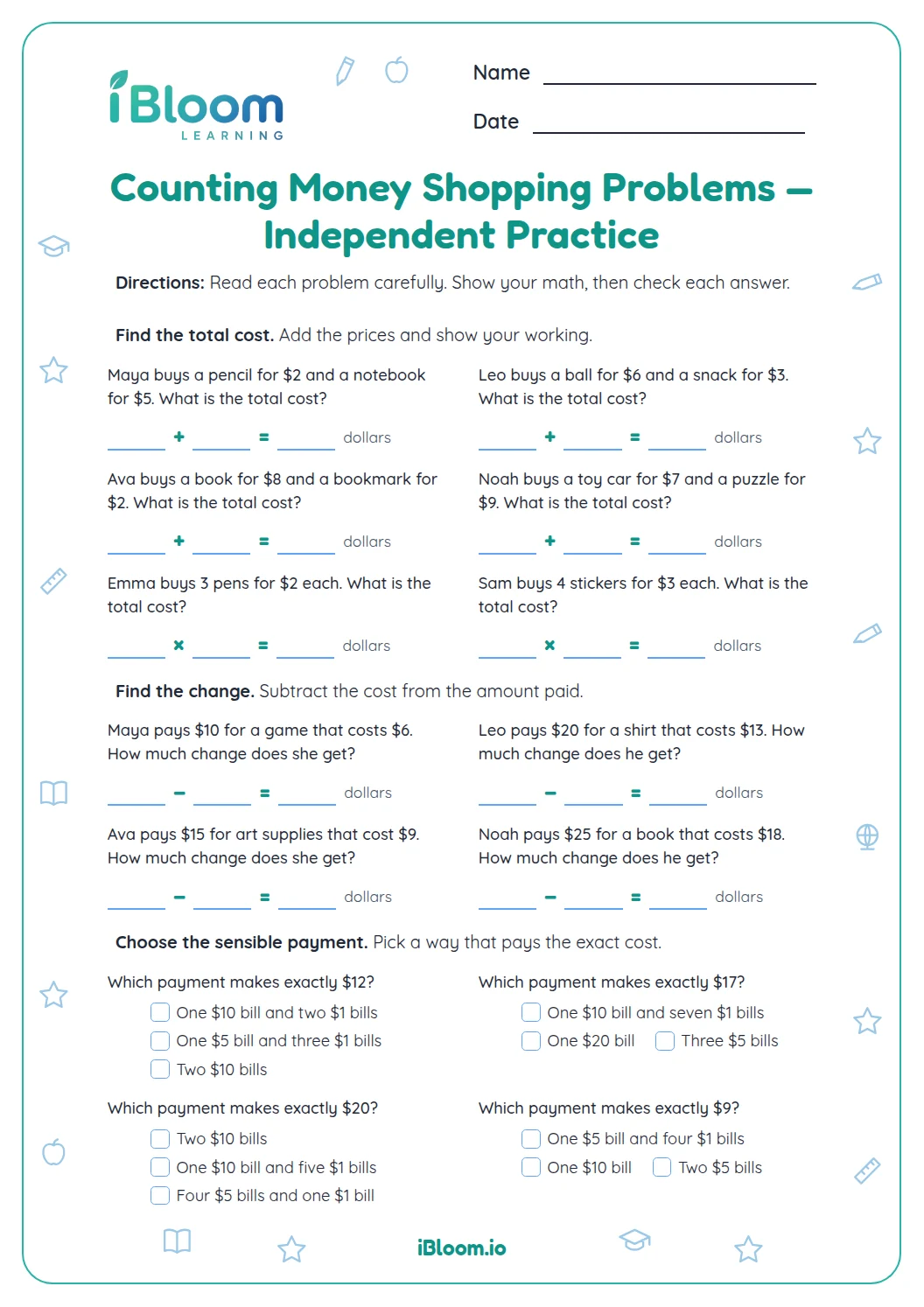
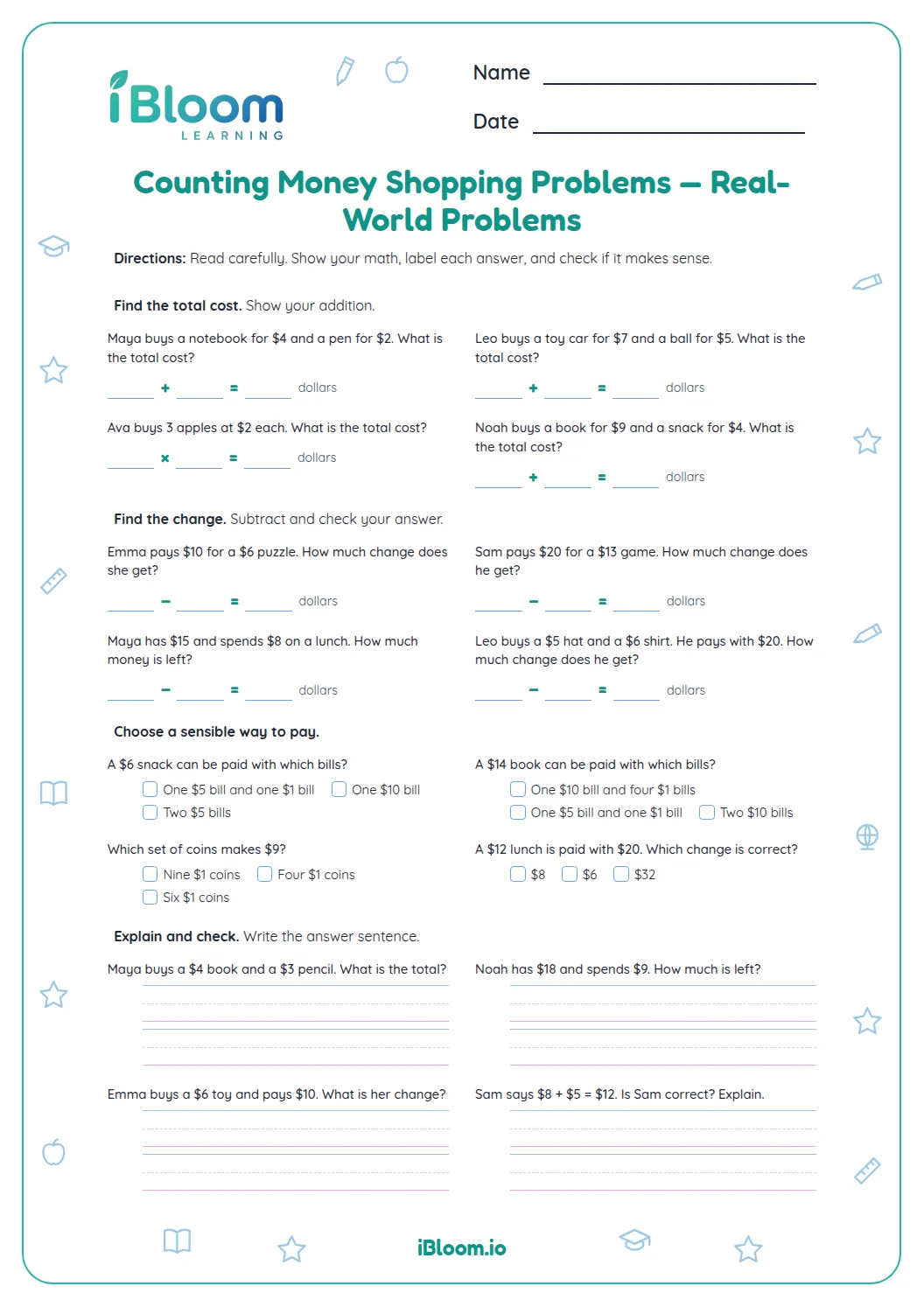
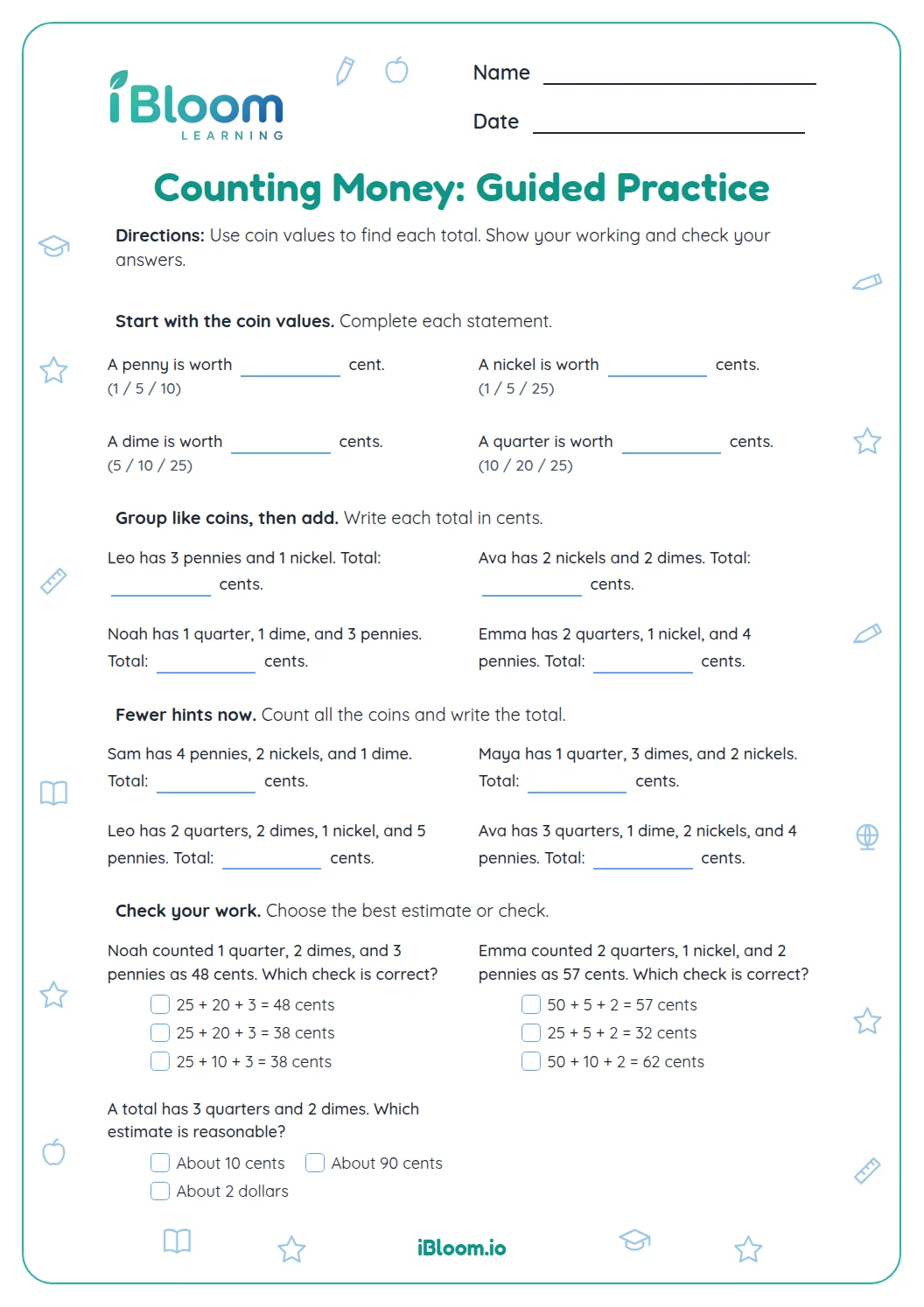
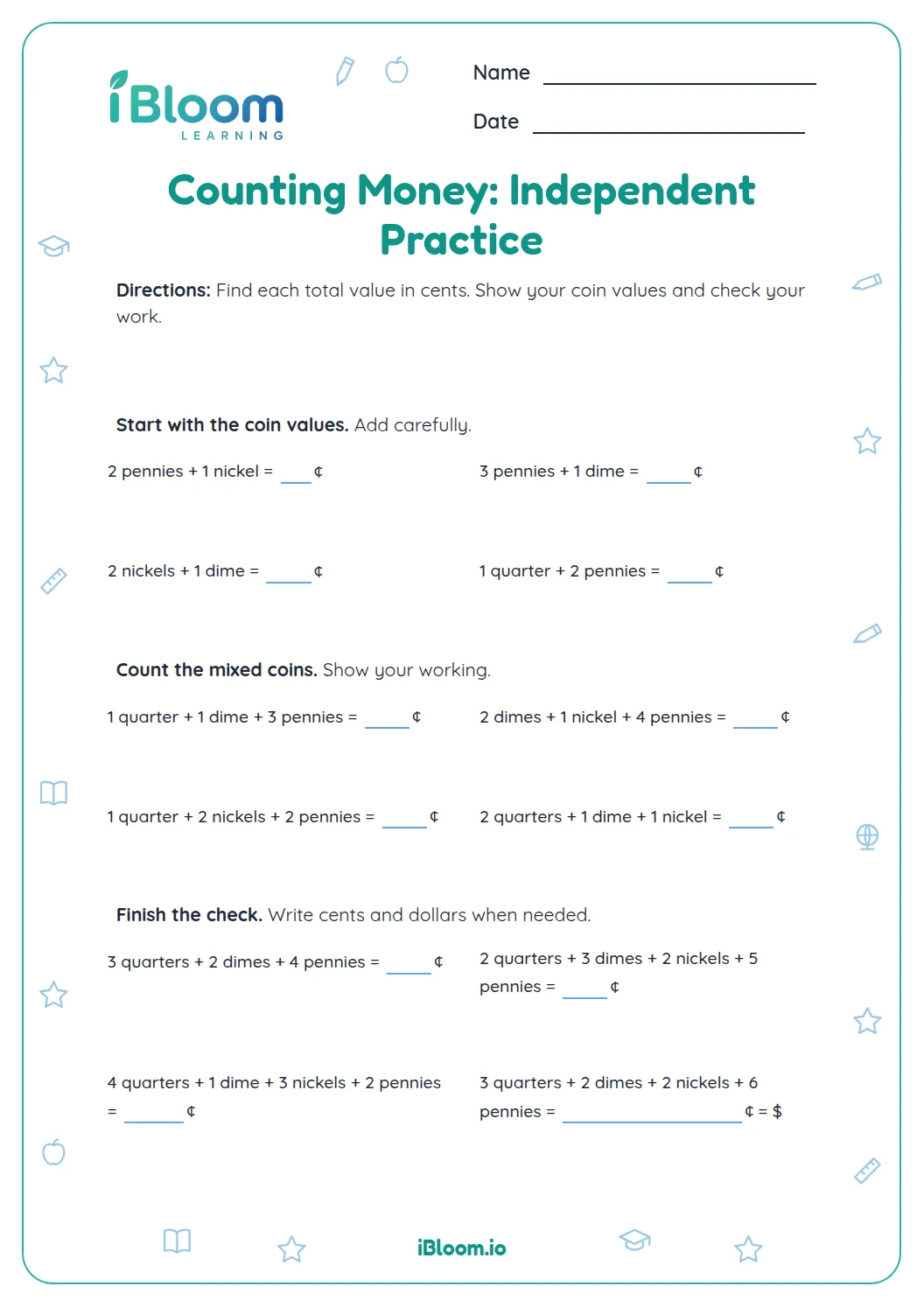
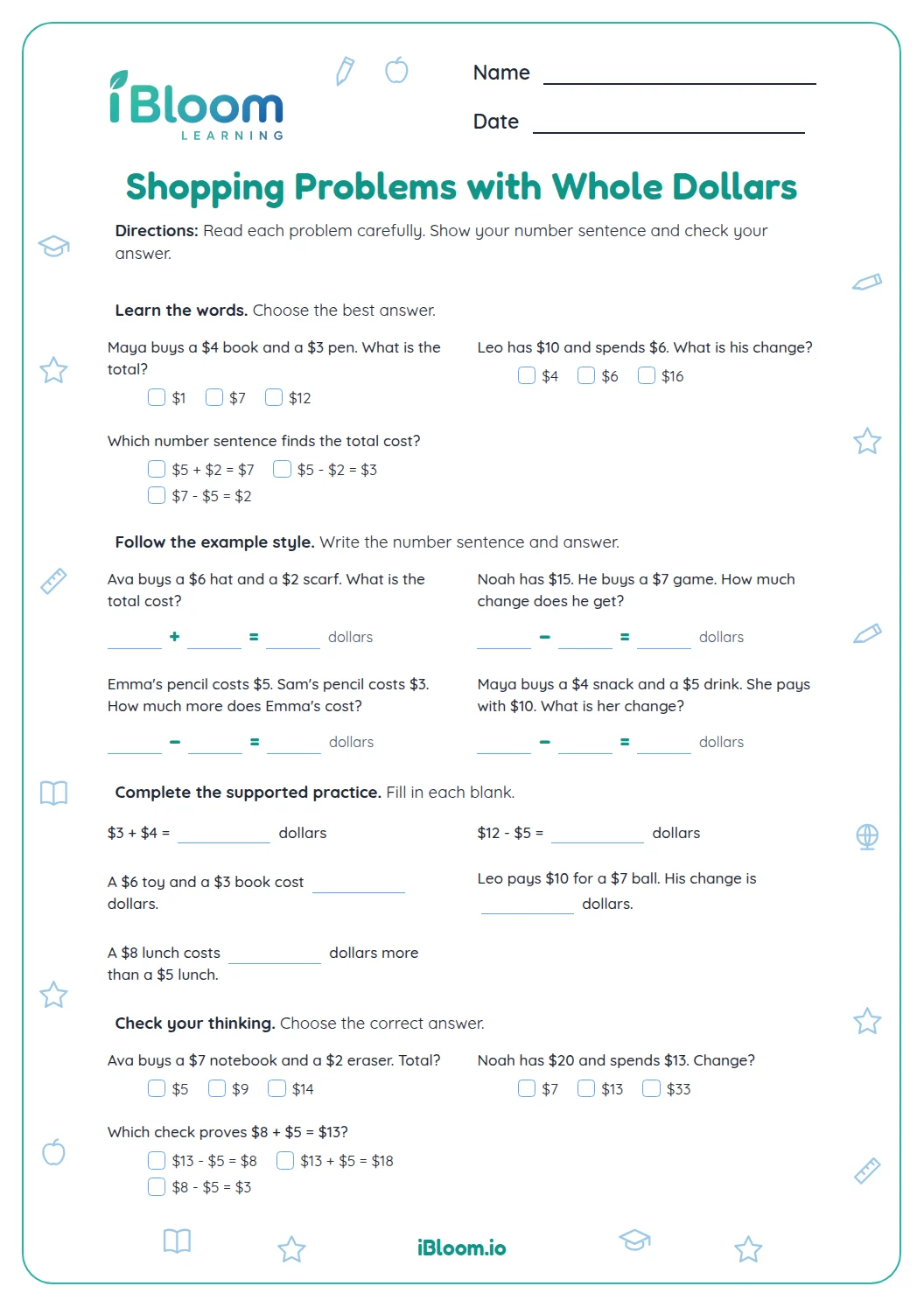
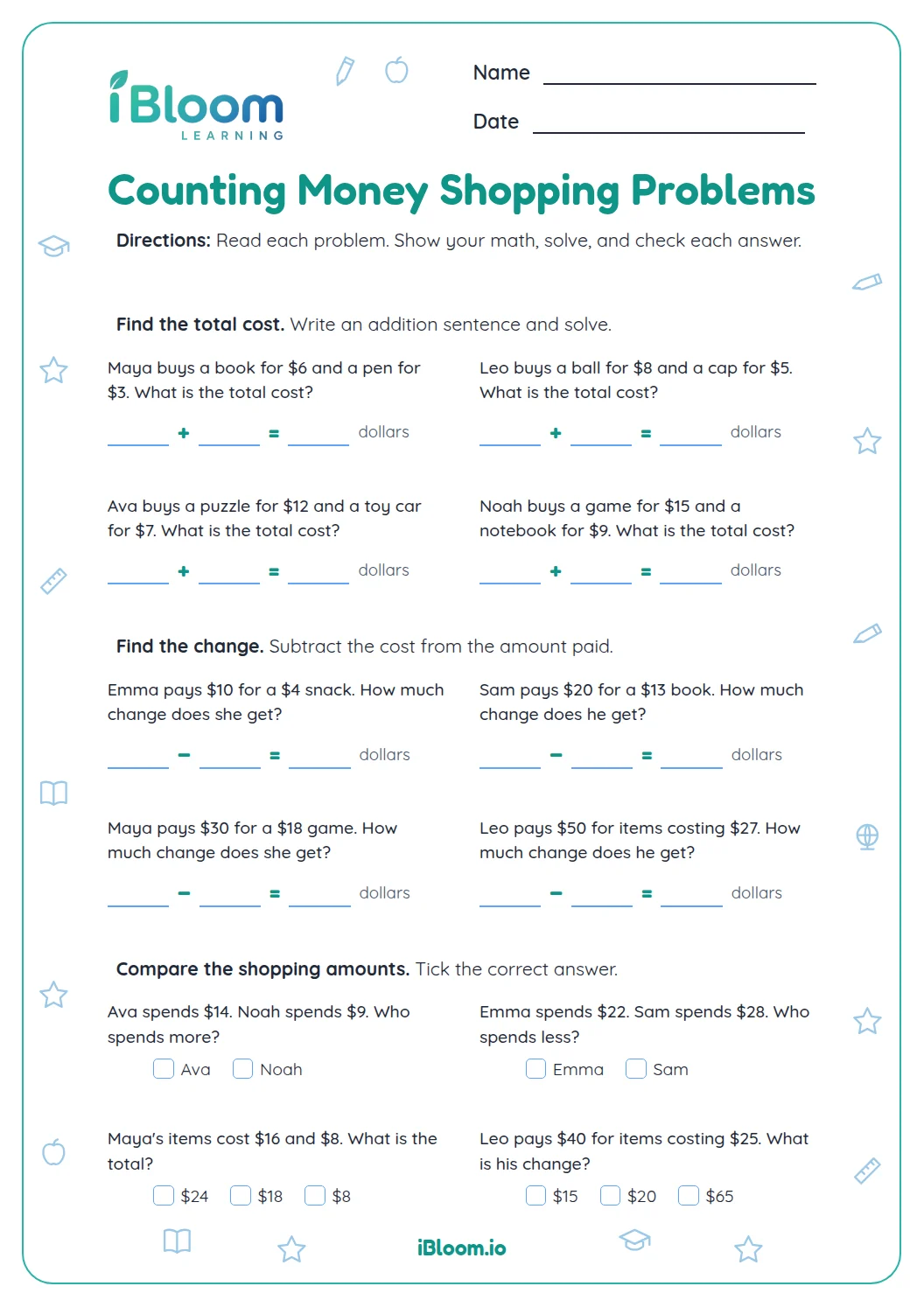
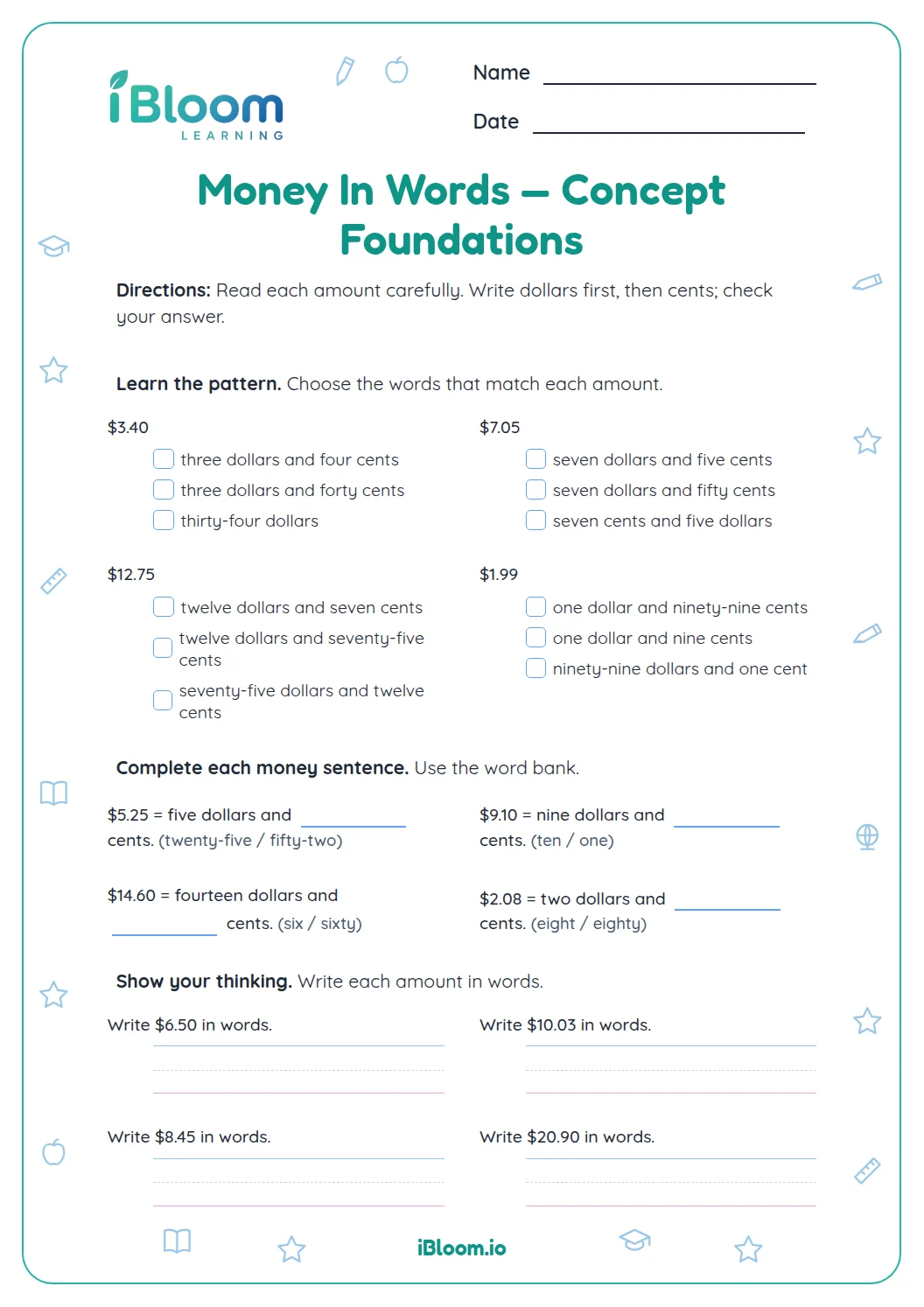
This Grade 3 money worksheet uses shopping situations to practice adding prices, checking a budget, comparing costs, and finding change in dollars and cents. Part A checks calculations, Part B solves and compares shopping plans, and Part C explains a strategy. Fourteen questions fill two worksheet pages, followed by a separate answer key. It connects to CCSS 2.MD.C.8 problem solving with money.
Aligned to 2.MD.C.8
What kinds of shopping problems appear?
Part A checks a total and corrects an arithmetic choice. Part B adds prices, finds change, checks a budget, and compares costs. Part C explains a strategy or identifies what a shopper still needs to check.
How do you find change from $5?
For two muffins at $1.25 each, first find the cost: 2 × $1.25 = $2.50. Subtract that total from $5.00 to get $2.50 in change.
How can a budget problem be checked?
Add every item before comparing the total with the amount available. For lunch at $3.45 and juice at $1.20, the total is $4.65; from $5.00, $0.35 remains.
How to use this worksheet
- 1Write each price with dollars and cents aligned.
- 2Add the item prices or multiply a repeated price.
- 3Compare the total with the payment or budget.
- 4Subtract the total to find change or money remaining.
- 5Reread the question to label what the result represents.
Common mistakes and quick fixes
The mistake
Adding dollars but losing the cents.
The fix
Line up decimal points and add both dollars and cents.
The mistake
Subtracting the payment from the purchase total.
The fix
For change, subtract the cost from the amount paid.
The mistake
Checking only one item against the budget.
The fix
Add all item prices first, then compare their total with the budget.
Common Core alignment
This sheet gives students practice with the following standard.
Solve the worksheet’s shopping problems using dollar amounts and cents.
On this sheet: Solve the worksheet’s shopping problems using dollar amounts and cents.
Show the official wordingHide the official wording
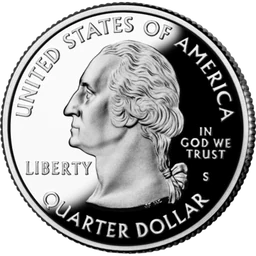
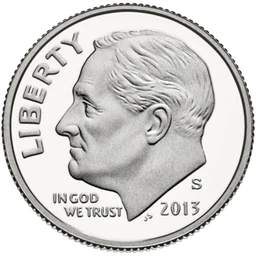
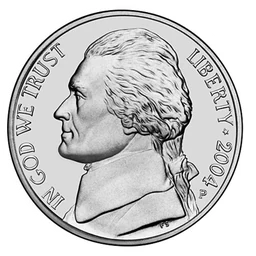
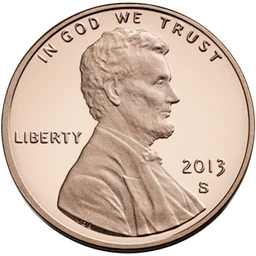
Solve word problems involving dollar bills, quarters, dimes, nickels, and pennies, using $ and ¢ symbols appropriately.
What to practice next
Make more practice
Further reading
Questions parents and teachers ask
What money skills does this worksheet practice?
Students add prices, compare costs, check whether a budget is enough, and find change. The questions use dollar amounts with cents and include multi-item purchases and repeated prices. Show the addition or subtraction sentence so the operation is easy to check.
How can a student find change?
Subtract the purchase total from the amount paid. For two muffins at $1.25 each, the total is $2.50; paying $5.00 leaves $2.50 in change. Write the equation first so the operation matches the shopping situation. Writing that subtraction sentence also shows how the change was found.
How do you check whether a budget is enough?
Add all the prices first, then compare the total with the available amount. The lunch and juice problem totals $4.65 from a $5 budget, leaving $0.35. Show the addition before subtracting from the budget to find what remains.
Does the worksheet include an answer key?
Yes. A separate key follows the two worksheet pages with the correct totals, comparisons, and change amounts. Written reasoning answers include sample wording, so equivalent clear explanations can also be accepted. Learners can compare each response with the separate key after finishing.
Should students show their calculations?
Yes. The worksheet directions ask students to show their math and explain a strategy where prompted. Writing the addition or subtraction sentence makes it easier to check whether the answer represents a total, remaining budget, or change. That written equation also helps a student catch an operation mix-up.