




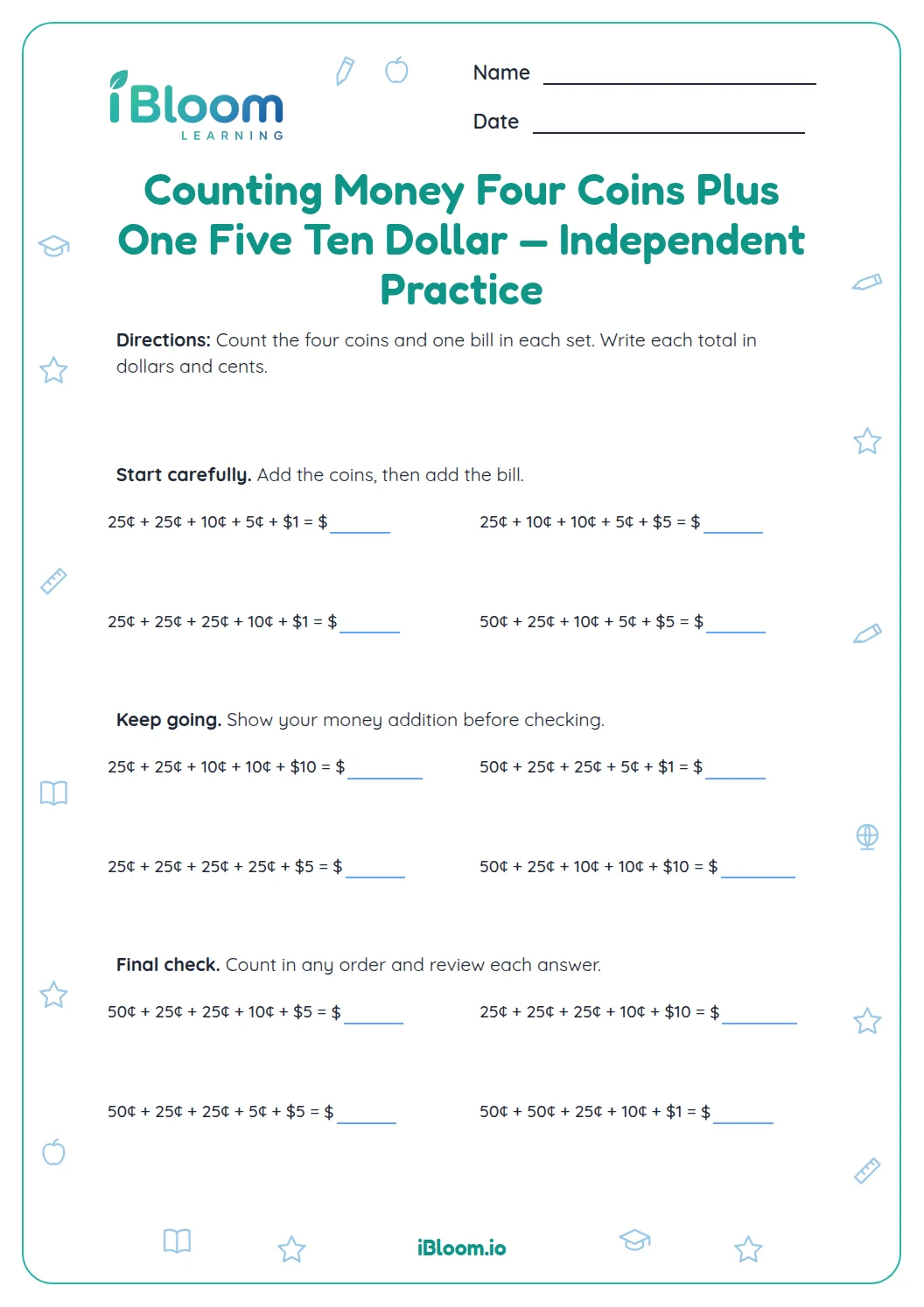
About this worksheet
This Grade 3 printable practices counting and comparing money in cents. Learners total coin models, solve shopping situations with prices under one dollar, and compare coin sets. The 14 problems use pennies, nickels, dimes, and quarters without decimal notation, and the separate answer key shows the answers. The activities practice CCSS 2.MD.C.8.
Aligned to 2.MD.C.8
How do learners read the coin models?
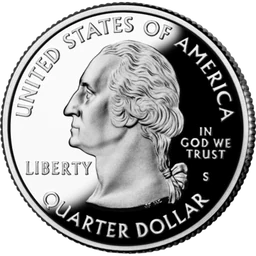
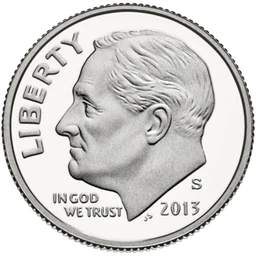
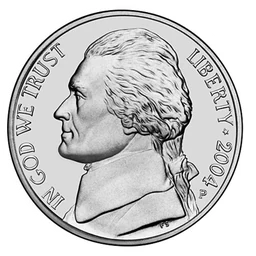
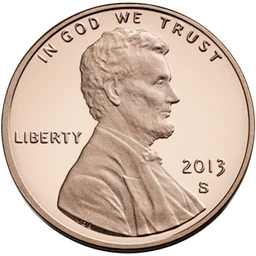
The first four items show actual coin illustrations. Learners add the value of each penny, nickel, dime, or quarter and write the total in cents; for example, a quarter, dime, and nickel make 40¢.
- 1How many cents are these coins worth? ___¢
- 2Answer: 40
What do the shopping problems practice?
Items five through ten ask learners to work with prices, exact payment, money needed, or change. Each amount stays below one dollar, so the arithmetic can be handled in cents without decimal notation.
How do the final questions build on coin counting?
The last four items ask learners to identify a 30¢ set, compare two totals, or find how many cents are needed to reach a target price. The choices and amounts are designed to have one clear answer.
How to use this worksheet
- 1Name the value of each coin.
- 2Add the coin values to get a total in cents.
- 3Compare the total with the item price.
- 4For change or money still needed, subtract the smaller amount from the larger.
- 5Check the answer key and include ¢ when the prompt asks for cents.
Common mistakes and quick fixes
The mistake
Counting a nickel as one cent because it is one coin.
The fix
Use the coin’s value: a nickel is 5¢, a dime is 10¢, and a quarter is 25¢.
The mistake
Saying 25¢ is enough for an 18¢ sticker without finding change.
The fix
Subtract 18 from 25 to find 7¢ change.
The mistake
Comparing the number of coins instead of their values.
The fix
Convert each set into cents before deciding which is worth more.
Common Core alignment
The worksheet practices this Common Core standard through its page activities.
Solve shopping problems by adding and comparing coin values.
On this sheet: Coin models and shopping stories ask learners to find and compare cents.
Show the official wordingHide the official wording
Solve word problems involving dollar bills, quarters, dimes, nickels, and pennies, using $ and ¢ symbols appropriately. Example: If you have 2 dimes and 3 pennies, how many cents do you have?
What to practice next
Make more practice
Further reading
Questions parents and teachers ask
How can children count coins without decimals?
Use cents as whole numbers: a quarter is 25¢, a dime is 10¢, a nickel is 5¢, and a penny is 1¢. Add the values, then compare the total with the price. The worksheet uses coin drawings and shopping situations, with answers in the separate key.
How many problems are included?
The worksheet has 14 questions in three parts: four pictured coin totals, six shopping situations, and four comparisons or applications. The separate answer key lists each response. All money values are written in cents, and the models show real U.S. coins.
What is a coin model in this worksheet?
A coin model is a small drawing of a U.S. coin shown with a prompt asking for its value. Learners total the illustrated coins in cents. For example, a quarter, dime, and nickel add to 40¢. This printable is ready to use at home or in a classroom with the separate answer key.
Does the worksheet use dollar amounts?
The problems use prices and amounts below one dollar, written in cents rather than decimal dollars. Learners practice addition and subtraction with coin values, then compare totals with prices to find exact payment, change, or an amount still needed. This printable is ready to use at home or in a classroom with the separate answer key.
How does the answer key help with change problems?
The answer key lists the amount of change or money needed in cents. To check a response, subtract the price from the amount paid for change, or subtract the money on hand from the target price when more is needed.