
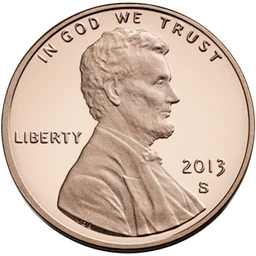
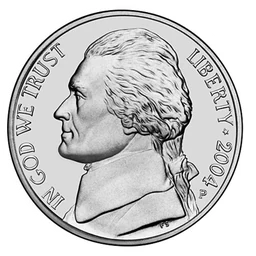
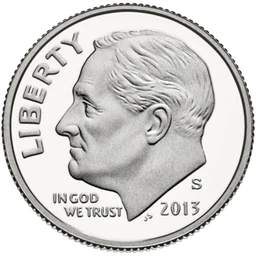
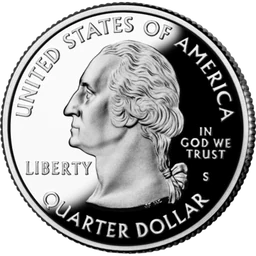
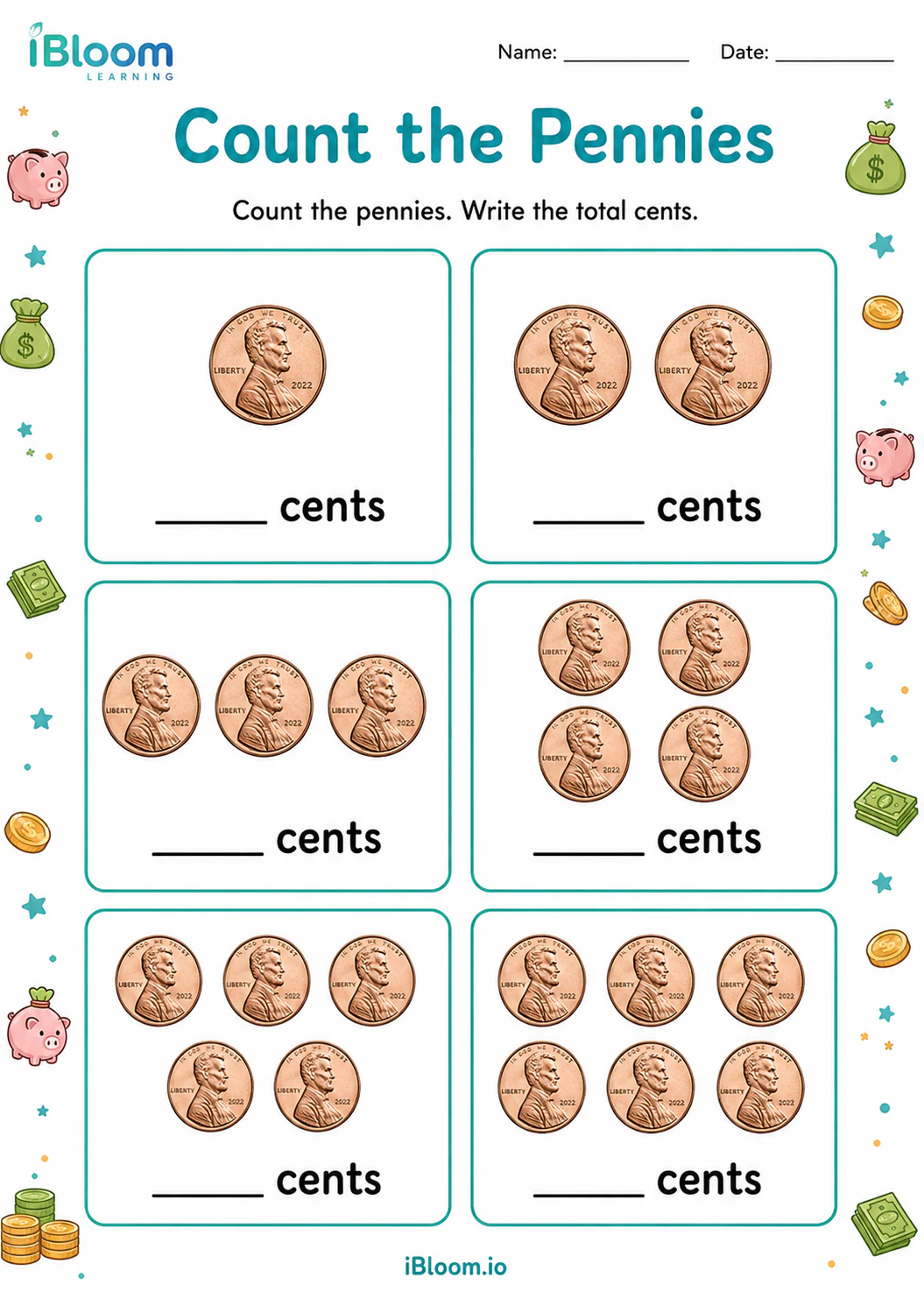


About this worksheet
This printable worksheet is for Kindergarten students practicing recognizing pennies, nickels, dimes, and quarters by color, size, and value. It has 14 questions across 2 parts and a separate answer key. The first section models the core decision; later items ask students to use it in fresh examples and explain their thinking.
How does this worksheet practice recognizing pennies, nickels, dimes, and quarters by color, size, and value?
The questions move from a direct look at match a coin’s name to its color, relative size, and value to items that ask students to apply the idea in a new sentence or situation. Each part has its own direction, and the key supports a check after the student has tried the page.
- 1Which silver coin is the smallest?
- 2The dime is smaller than the nickel and quarter, and it is worth ten cents.
What should a student check before answering?
Read the complete prompt, identify the detail that matters, and then choose or write a response. For an error or a tricky example, compare each step with the original question instead of guessing from the final answer.
How can an adult make the practice useful?
Ask the student to point to the number, word, or feature that supports the answer. When a response needs revision, let the student name the change and explain why it makes the answer fit.
How to use this worksheet
- 1Read the first part direction and look at one item together.
- 2Let the student complete the items before opening the answer key.
- 3Check answers in order and mark any item to revisit.
- 4For a missed item, return to its clue or calculation and correct the reasoning.
- 5Ask the student to explain one answer in their own words.
Common mistakes and quick fixes
The mistake
Answering after noticing only one detail.
The fix
Reread the full prompt and check every clue.
The mistake
Choosing a response before checking how it fits.
The fix
Test the choice against the whole question or sentence.
The mistake
Changing an answer without finding the reason.
The fix
Point to the step or word that supports the correction.
What to practice next
Make more practice
Questions parents and teachers ask
What skill does this worksheet practice?
This worksheet practices recognizing pennies, nickels, dimes, and quarters by color, size, and value. Students work through 14 items in 2 parts, moving from direct practice to applying the skill in different examples. The separate answer key supports a careful check after students have tried the questions.
Should students look at the answer key while working?
Have students complete a section before checking the key. If an answer differs, return to the exact prompt and identify the clue or calculation that led to the correct response. This keeps the key useful for learning, not just copying.
Can students use this page independently?
Students who know the basic skill can work through the directions on their own. An adult can first model one question, then review any uncertain responses with the student using the answer key and the clues in the prompt.
How long should practice take?
Plan for about 15 minutes, with more time if students talk through their reasoning or revise answers. The pace depends on how quickly the student reads each prompt and how much discussion is useful during review. A brief second pass can reinforce how the clue connects to the response.
What is a helpful way to review match a coin’s name to its color, relative size, and value?
Ask the student to explain the clue or step that made an answer fit. Then try a different item from the worksheet and look for the same idea in a new context. The goal is to connect the response to the reasoning.