Free printable practice
Rotate 2D Shapes Practice Activities
Class 1 maths worksheets that help children recognise, match, and draw 2D shapes after they have been turned or rotated.
Free printable worksheet PDFs
Preview every available page, then download the free worksheet PDF for home, homeschool, tutoring, or classroom practice.
Preview the exact activity before downloading it.
 Geometry: Rotate 2D Shapes — Concept FoundationsConcept Foundations for geometry: rotate 2d shapes in Class 1. Look at simple 2D shapes, identify quarter and half turns, and choose how each shape looks after rotating.Class 1Free PDF preview
 Geometry: Rotate 2D Shapes — Visual ModelsVisual Models for geometry: rotate 2d shapes in Class 1. Look at each 2D shape model, imagine the stated turn, and choose the shape position that matches.Class 1Free PDF preview
 Geometry: Rotate 2D Shapes — Guided PracticeGuided Practice for geometry: rotate 2d shapes in Class 1. Choose the shape positions after quarter and half turns, then complete and check guided rotation statements.Class 1Free PDF preview
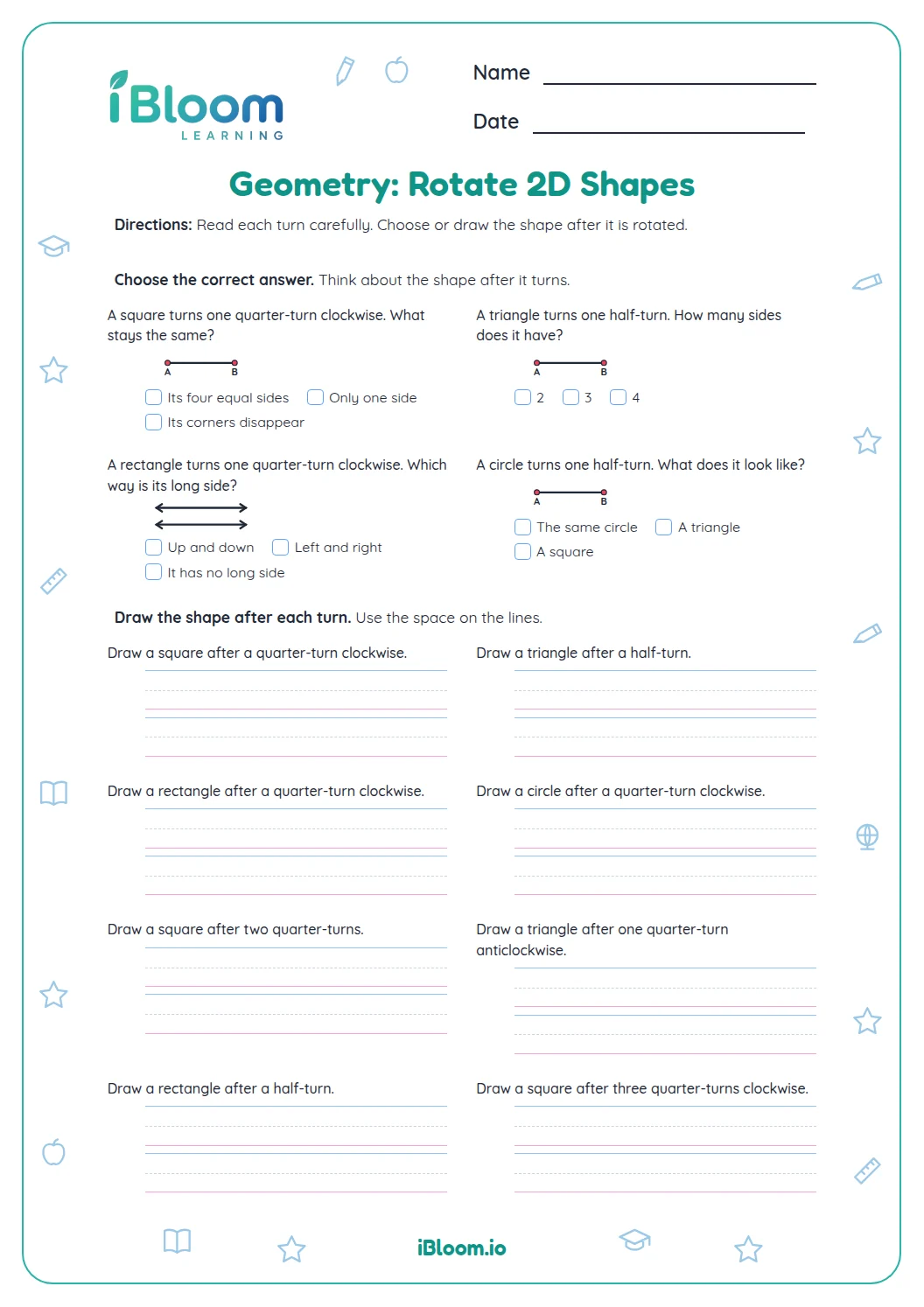 Geometry: Rotate 2D Shapes — Independent PracticeIndependent Practice for geometry: rotate 2d shapes in Class 1. Identify shapes after quarter-turns and half-turns, then draw each named 2D shape after it is rotated.Class 1Free PDF preview
 Geometry: Rotate 2D Shapes — Real-World ProblemsReal-World Problems for geometry: rotate 2d shapes in Class 1. Solve real-world rotation problems by identifying quarter-turns, half-turns, and the new position of 2D shapes.Class 1Free PDF preview
 Geometry: Rotate 2D Shapes — Reasoning ChallengeReasoning Challenge for geometry: rotate 2d shapes in Class 1. Choose the result of quarter-turn and half-turn rotations for familiar 2D shapes and arrows.Class 1Free PDF preview
Practice that builds confidence
Understanding rotation in Class 1
These Class 1 geometry worksheets help children understand rotation as a turn. Learners practise seeing that a 2D shape can face a new direction but still remain the same shape.
The printable activities include matching turned shapes, spotting shapes that have been rotated, tracing simple rotations, and comparing familiar shapes such as triangles, squares, rectangles, and circles.
At this level, rotation is introduced through simple visual turns rather than formal angles. Children look at a shape, imagine it being turned, and decide whether the new picture shows the same shape in a different position. This builds early spatial sense for later geometry topics.

What children practise
The worksheets move from recognising obvious turns to making careful comparisons. A triangle may point up, down, or sideways and still be a triangle. A rectangle may look tall or wide after a turn. A square can look unchanged after some turns, while a circle looks the same no matter how it is turned. Children practise words such as rotate, turn, same, different, clockwise, anticlockwise, half turn, and quarter turn where appropriate.
A simple parent routine
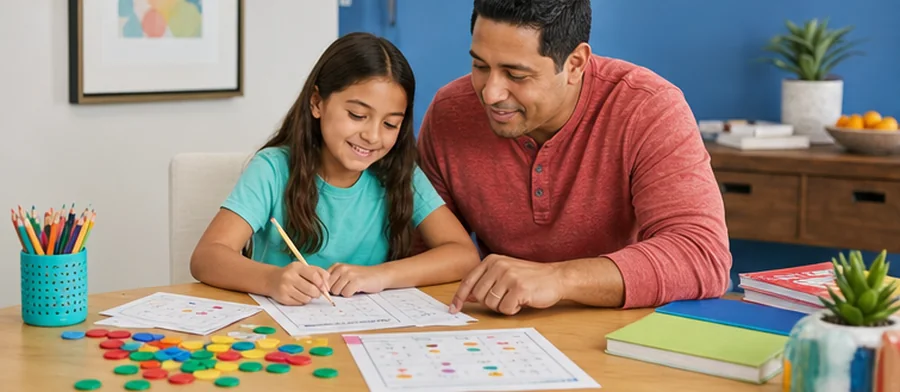
Start with paper cut-outs of a square, triangle, rectangle, and circle. Ask your child to place one shape on the table, turn it slowly, and say what changed. Then give one worksheet question and ask, “Did the shape slide, flip, or turn?” Encourage your child to point to a corner or side before and after the turn. This makes the thinking visible and prevents guessing.
Classroom uses for teachers
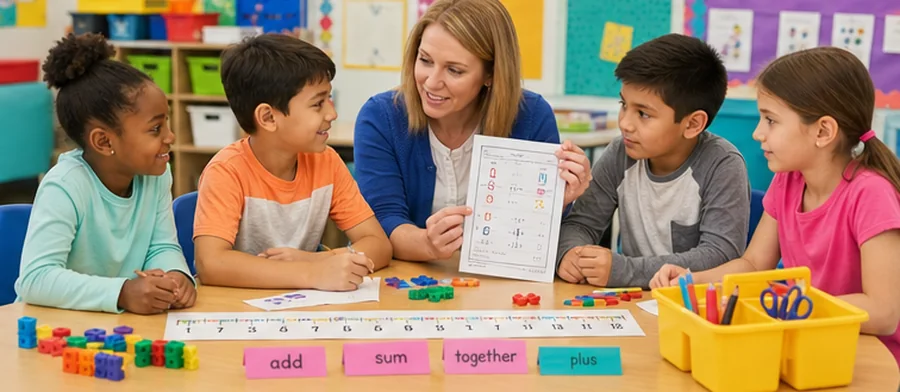
Teachers can use these pages during geometry practice, small-group reinforcement, or maths centres. They also work well after a hands-on lesson with attribute blocks or paper shapes. For quick assessment, ask pupils to circle the rotated match and explain their choice using one sentence: “It is the same shape because it was turned.”
Common errors to watch for
Some children think a shape becomes a new shape when it faces another direction. Others confuse rotation with sliding or mirror flipping. Rectangles and triangles often cause mistakes because their direction changes clearly. Ask children to check the number of sides and corners first, then look at the direction.
Free printable PDF download
Use this rotate 2d shapes worksheets class 1 page to preview the activity, print it, or download it as a PDF for quick practice. It works well for homework, homeschool lessons, tutoring, morning work, revision, and classroom centers.
Answers and answer key support
After the child completes the worksheet independently, parents and teachers can use the answer support or answer key information to check the work, review mistakes, and choose the next practice step.
Why iBloom worksheets help
iBloom activities keep the drawings clear and age-appropriate so Class 1 children can focus on the idea of turning. The questions progress gently from recognition to comparison and tracing, helping children build confidence before moving to more complex geometry.
Helpful answers
Frequently asked questions
What does rotate mean for Class 1 children?
Rotate means to turn a shape around. In Class 1, children mainly learn to recognise that a shape can face a different direction and still be the same shape.
Which shapes are used in these rotation worksheets?
The worksheets use familiar 2D shapes such as triangles, squares, rectangles, and circles so children can focus on the turn instead of learning new shape names.
How can I explain rotation at home without special materials?
Cut a simple triangle or rectangle from paper, place it on a table, and turn it slowly. Ask your child what stayed the same and what changed after the turn.
Why do children confuse rotating and flipping shapes?
Both actions change how a shape looks. A rotation turns the shape, while a flip makes a mirror image. Asking children to track one corner can help them see the difference.
Are these worksheets suitable before teaching angles?
Yes. The activities introduce turns visually and do not require formal angle measurement, making them suitable for early Class 1 geometry practice.
Is this rotate 2d shapes worksheets class 1 free?
Yes. You can preview it for free and use the printable worksheet for home or classroom practice.
Can I download this rotate 2d shapes worksheets class 1 as a PDF?
Yes. Use the worksheet download option to save a printable PDF, or print the worksheet directly from the page.
Does this rotate 2d shapes worksheets class 1 include answers or an answer key?
When the activity has fixed answers, iBloom includes answer support so parents and teachers can check the completed worksheet.