Free printable practice
Natural Resources Practice Activities
Grade 3 science worksheets help students identify natural resources, describe how people use them, and practice simple conservation choices.
Free printable worksheet PDFs
Preview every available page, then download the free worksheet PDF for home, homeschool, tutoring, or classroom practice.
Preview the exact activity before downloading it.
 Natural Resources — Sort and ClassifyGrade 3 science worksheets help students identify natural resources, describe how people use them, and practice simple conservation choices. This sort and classify worksheet provides a distinct, age-appropriate way to practise the same lesson.Grade 3Free PDF preview
 Natural Resources — Label and ModelGrade 3 science worksheets help students identify natural resources, describe how people use them, and practice simple conservation choices. This label and model worksheet provides a distinct, age-appropriate way to practise the same lesson.Grade 3Free PDF preview
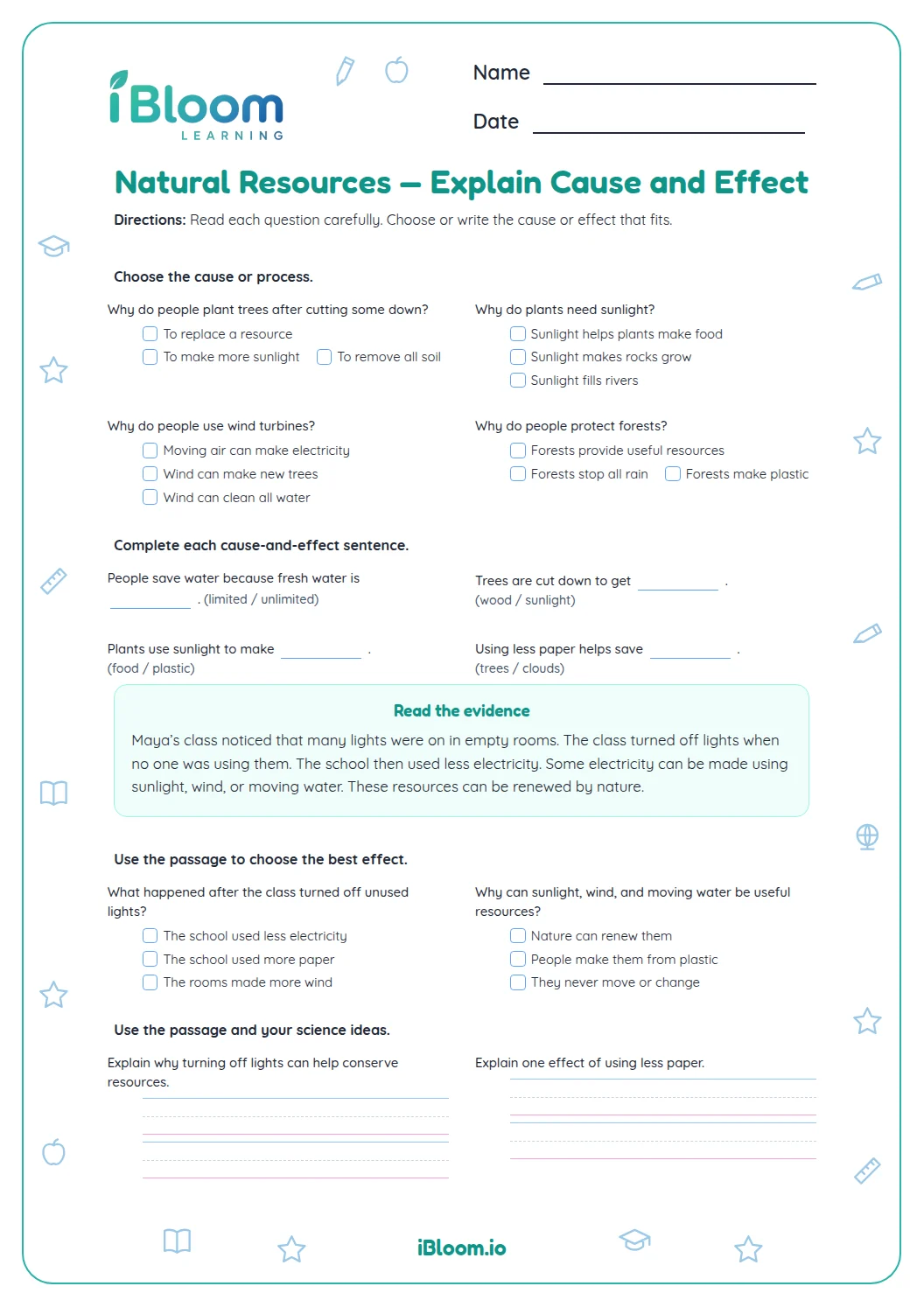 Natural Resources — Explain Cause and EffectGrade 3 science worksheets help students identify natural resources, describe how people use them, and practice simple conservation choices. This explain cause and effect worksheet provides a distinct, age-appropriate way to practise the same lesson.Grade 3Free PDF preview
 Natural Resources — Apply Science IdeasGrade 3 science worksheets help students identify natural resources, describe how people use them, and practice simple conservation choices. This apply science ideas worksheet provides a distinct, age-appropriate way to practise the same lesson.Grade 3Free PDF preview
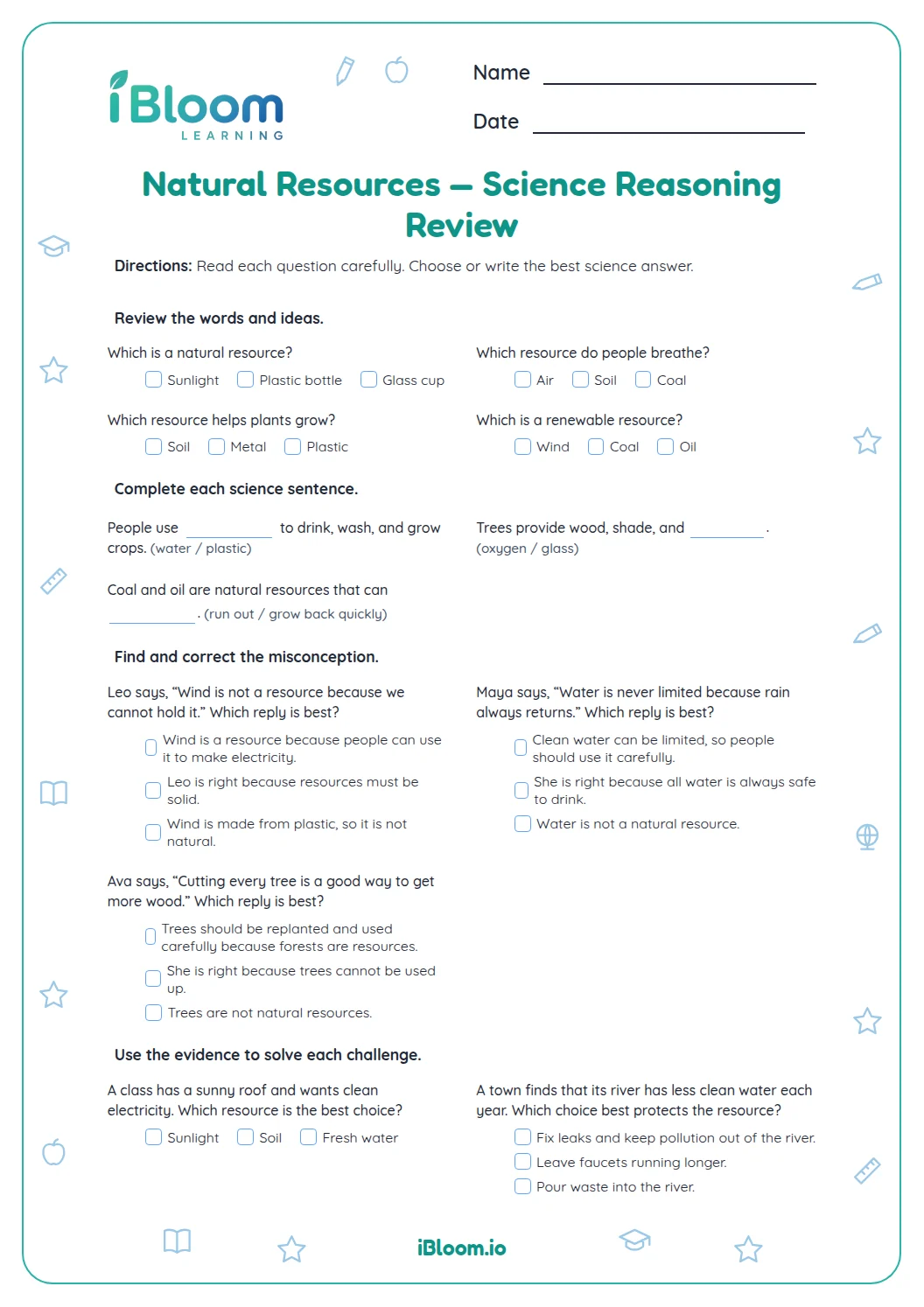 Natural Resources — Science Reasoning ReviewGrade 3 science worksheets help students identify natural resources, describe how people use them, and practice simple conservation choices. This science reasoning review worksheet provides a distinct, age-appropriate way to practise the same lesson.Grade 3Free PDF preview
Practice that builds confidence
What Grade 3 Students Learn
These Grade 3 natural resources worksheets help children understand that air, water, soil, plants, animals, minerals, sunlight, and fuels come from the environment and support daily life. Students practise naming resources, sorting examples, and explaining why some resources must be used carefully.
The printable activities include clear prompts, picture-based questions, short reading tasks, matching, classification, and written responses. Children connect science vocabulary with real situations such as drinking water, growing food, building homes, using paper, and saving energy.
Natural resources are materials or forms of energy found in nature that people, plants, and animals use. These worksheets guide students from simple identification to explaining use and care. Children may decide whether wood, water, soil, sunlight, rocks, or oil is a natural resource, then describe how that resource helps people live, build, travel, cook, or grow crops.

Building Resource Vocabulary
The activities strengthen key science words such as natural resource, renewable, nonrenewable, conserve, reuse, recycle, pollution, soil, mineral, and fuel. Students practise sorting resources into groups, noticing that sunlight and wind can be used again and again, while coal, oil, and natural gas take a very long time to form. The goal is understanding, not memorizing long lists.
A Simple Parent Routine
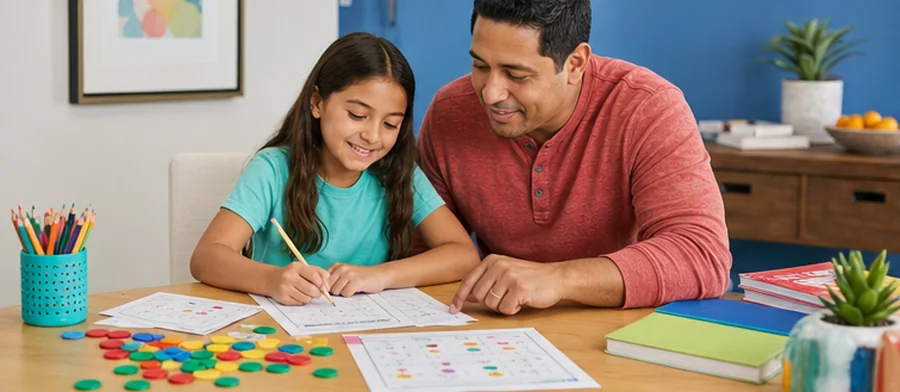
At home, choose one everyday object and ask, “What natural resources helped make this?” A notebook may lead to trees for paper, water used in production, and minerals in the pencil. Then ask one conservation question: “How could we use less, reuse it, or avoid waste?” This quick routine turns meals, school supplies, baths, and outdoor walks into science conversations.
Classroom Uses for Teachers
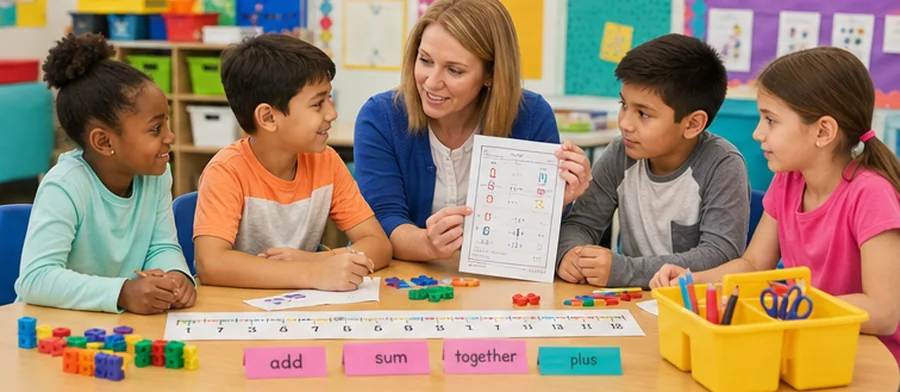
Teachers can use these printables for environment units, science centers, early-finisher tasks, small-group review, or an exit ticket after a lesson on conservation. Picture sorts work well for partner discussion, while short-answer pages help students give evidence: “Water is a natural resource because living things need it, and people use it for drinking and farming.”
Common Errors to Watch For
Some children think only things people buy are resources, so they may miss air, sunlight, or soil. Others may call every resource renewable because it is “natural.” Help them focus on how quickly a resource can be replaced. Also watch for confusion between a natural resource and a product made from it, such as tree versus chair or mineral versus metal spoon.
Free printable PDF download
Use this grade 3 natural resources worksheet page to preview the activity, print it, or download it as a PDF for quick practice. It works well for homework, homeschool lessons, tutoring, morning work, revision, and classroom centers.
Answers and answer key support
After the child completes the worksheet independently, parents and teachers can use the answer support or answer key information to check the work, review mistakes, and choose the next practice step.
Why iBloom Worksheets Help
iBloom worksheets use familiar examples and varied question types so children can move from recognizing resources to explaining responsible choices. A child-friendly strategy is: name it, say where it comes from, tell how it is used, then choose one way to care for it. This keeps answers clear and supports thoughtful environmental habits.
Helpful answers
Frequently asked questions
What natural resources are covered in these Grade 3 worksheets?
The worksheets use age-appropriate examples such as air, water, soil, sunlight, plants, animals, rocks, minerals, wood, and fuels. Students identify them and connect each resource to everyday uses.
Do these activities include renewable and nonrenewable resources?
Yes. Children practise noticing that some resources, such as sunlight or wind, can be used repeatedly, while resources such as coal, oil, and natural gas take a very long time to form and must be conserved.
How can I help my child if they confuse resources with products?
Ask your child to trace the product back to nature. For example, a wooden chair comes from trees, a glass jar comes from minerals and sand, and paper comes from trees. This helps separate the resource from the item made with it.
Are these worksheets useful for a Grade 3 environment unit?
Yes. They fit well with lessons on how people use Earth’s resources, why clean air and water matter, and how simple choices like saving water, recycling paper, and reducing waste protect the environment.
What type of questions will students answer?
Students may match resources to uses, sort examples, read short prompts, label pictures, choose conservation actions, and write brief explanations using science vocabulary.
Is this grade 3 natural resources worksheet free?
Yes. You can preview it for free and use the printable worksheet for home or classroom practice.
Can I download this grade 3 natural resources worksheet as a PDF?
Yes. Use the worksheet download option to save a printable PDF, or print the worksheet directly from the page.
Does this grade 3 natural resources worksheet include answers or an answer key?
When the activity has fixed answers, iBloom includes answer support so parents and teachers can check the completed worksheet.