Free printable practice
Metric Units Length Cm M Practice Activities
Printable Grade 2 measurement worksheets for practising centimetres and metres through measuring, estimating, comparing, and choosing sensible metric units.
Free printable worksheet PDFs
Preview every available page, then download the free worksheet PDF for home, homeschool, tutoring, or classroom practice.
Preview the exact activity before downloading it.
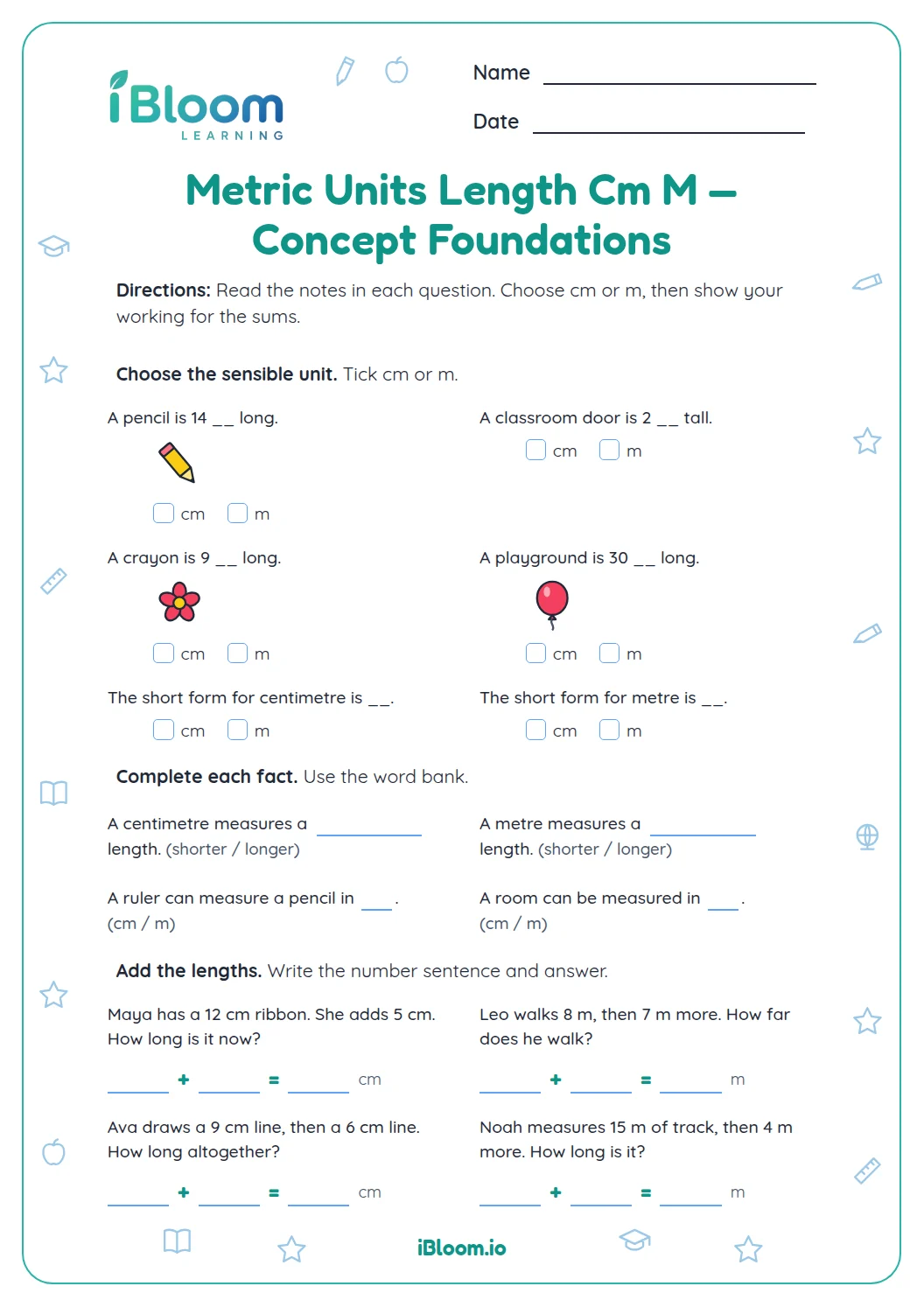 Metric Units Length Cm M — Concept FoundationsPrintable Grade 2 measurement worksheets for practising centimetres and metres through measuring, estimating, comparing, and choosing sensible metric units. This Grade 2 foundations worksheet adds concise teaching notes, worked examples, and supported first attempts.Grade 2Free PDF preview6 pages
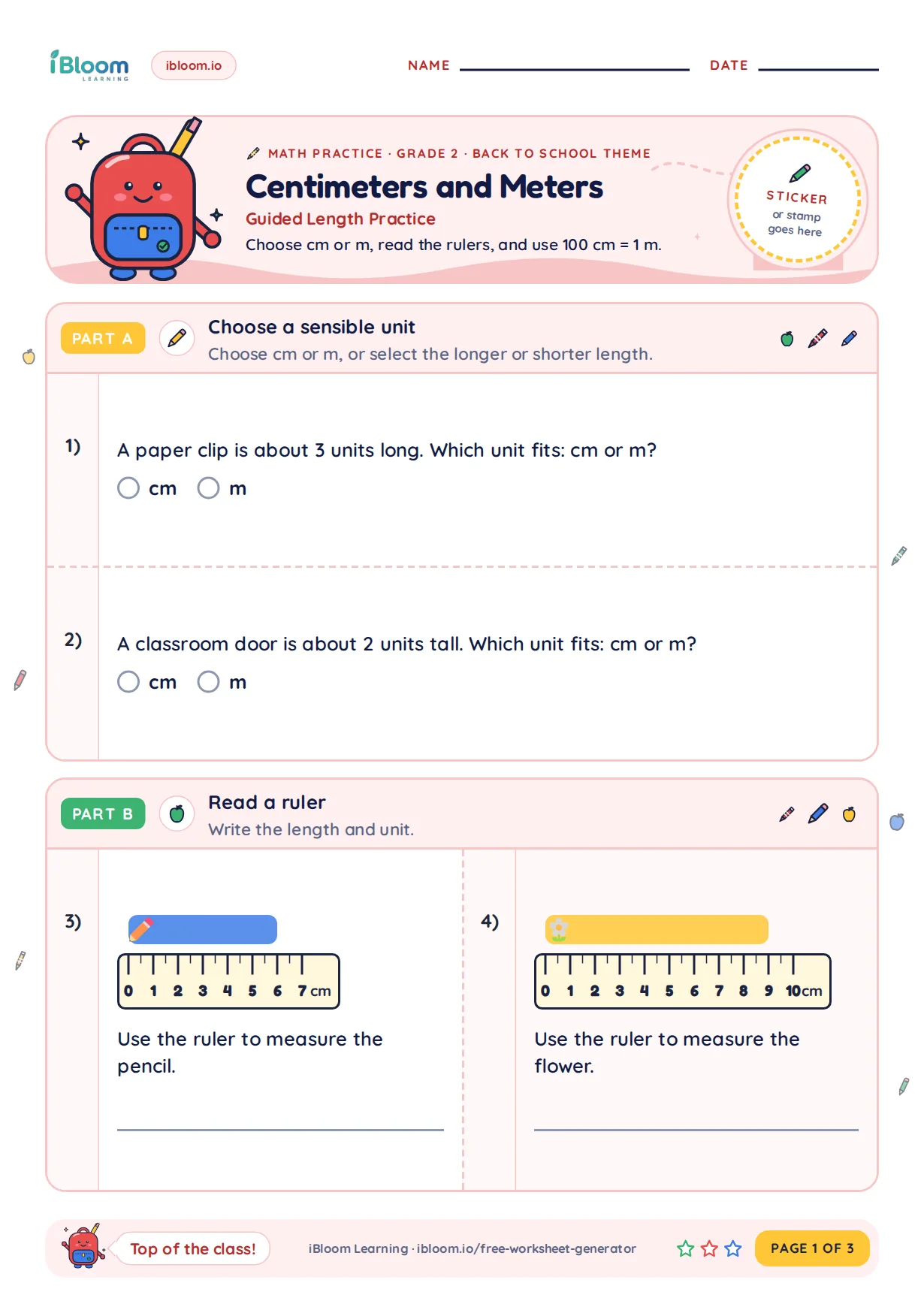 Metric Units Length Cm M — Guided PracticePrintable Grade 2 measurement worksheets for practising centimetres and metres through measuring, estimating, comparing, and choosing sensible metric units. This Grade 2 guided-practice worksheet progresses from prompts and checkpoints to independent questions.Grade 2Free PDF preview
 Metric Units Length Cm M — Visual ModelsPrintable Grade 2 measurement worksheets for practising centimetres and metres through measuring, estimating, comparing, and choosing sensible metric units. This Grade 2 visual-model worksheet connects suitable diagrams, tables, number lines, or place-value models to mathematical notation.Grade 2Free PDF preview
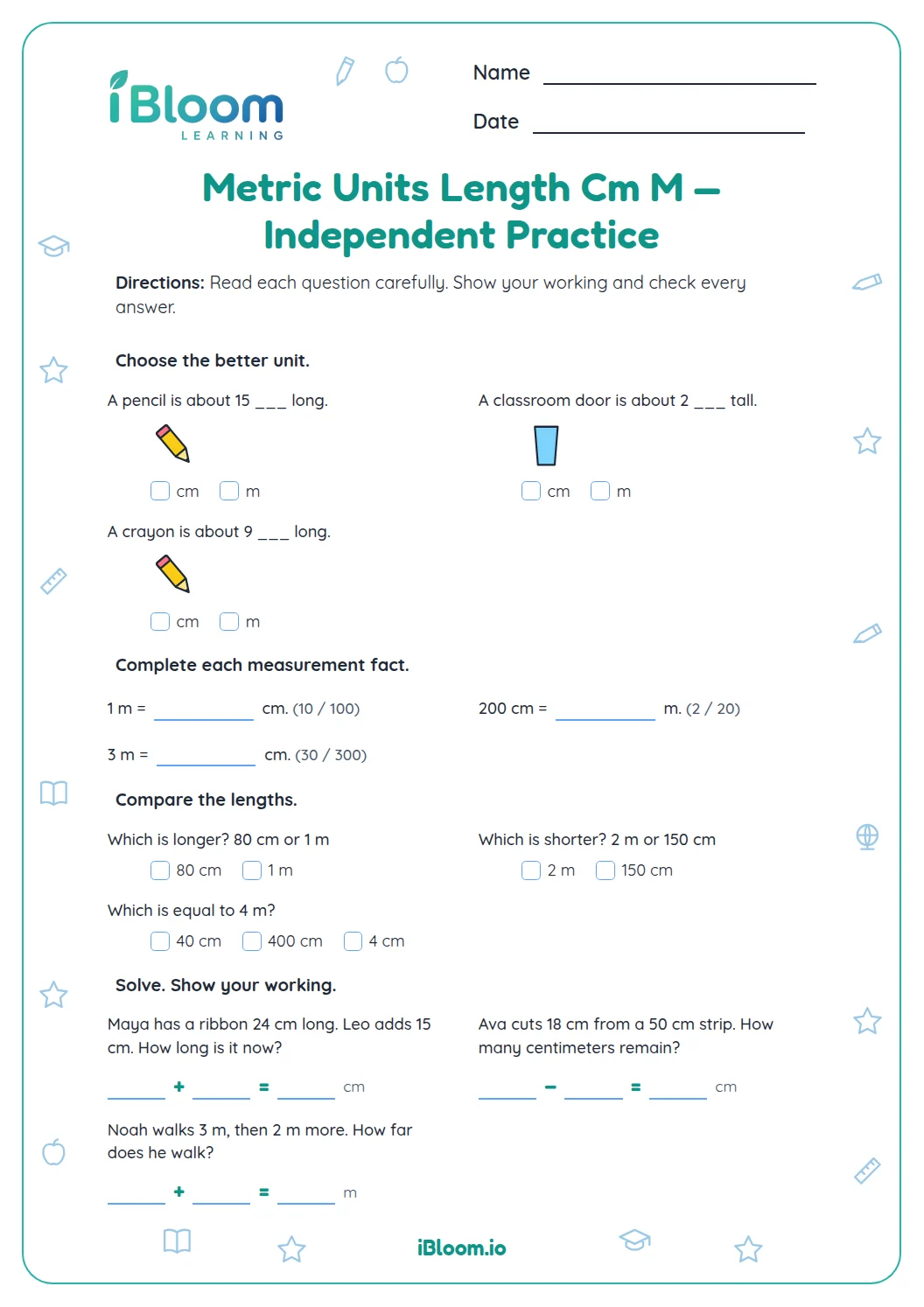 Metric Units Length Cm M — Independent PracticePrintable Grade 2 measurement worksheets for practising centimetres and metres through measuring, estimating, comparing, and choosing sensible metric units. This Grade 2 independent-practice worksheet provides a balanced sequence of accurate, grade-level exercises.Grade 2Free PDF preview
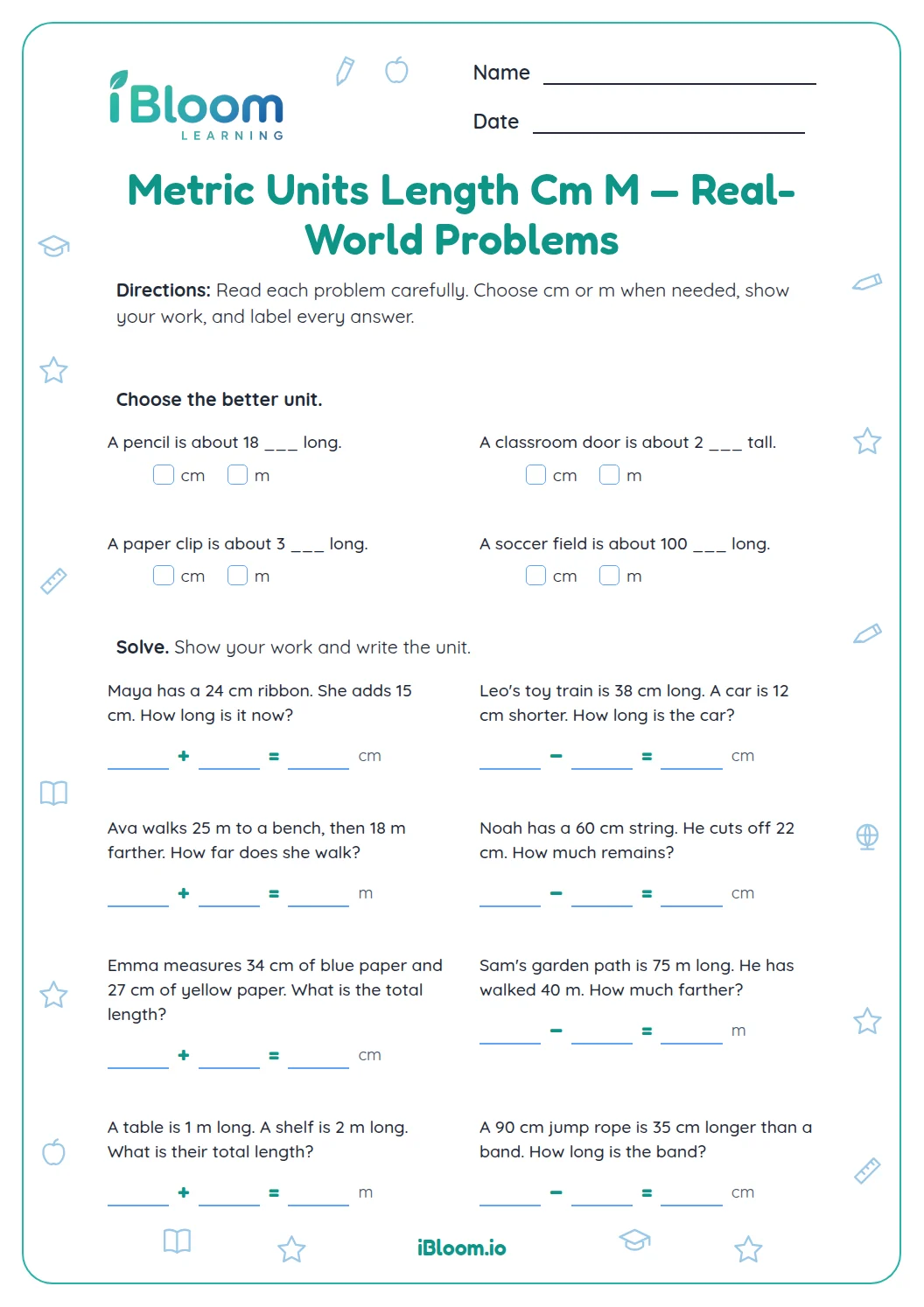 Metric Units Length Cm M — Real-World ProblemsPrintable Grade 2 measurement worksheets for practising centimetres and metres through measuring, estimating, comparing, and choosing sensible metric units. This Grade 2 application worksheet uses realistic one-step and multi-step situations with room to model and solve.Grade 2Free PDF preview
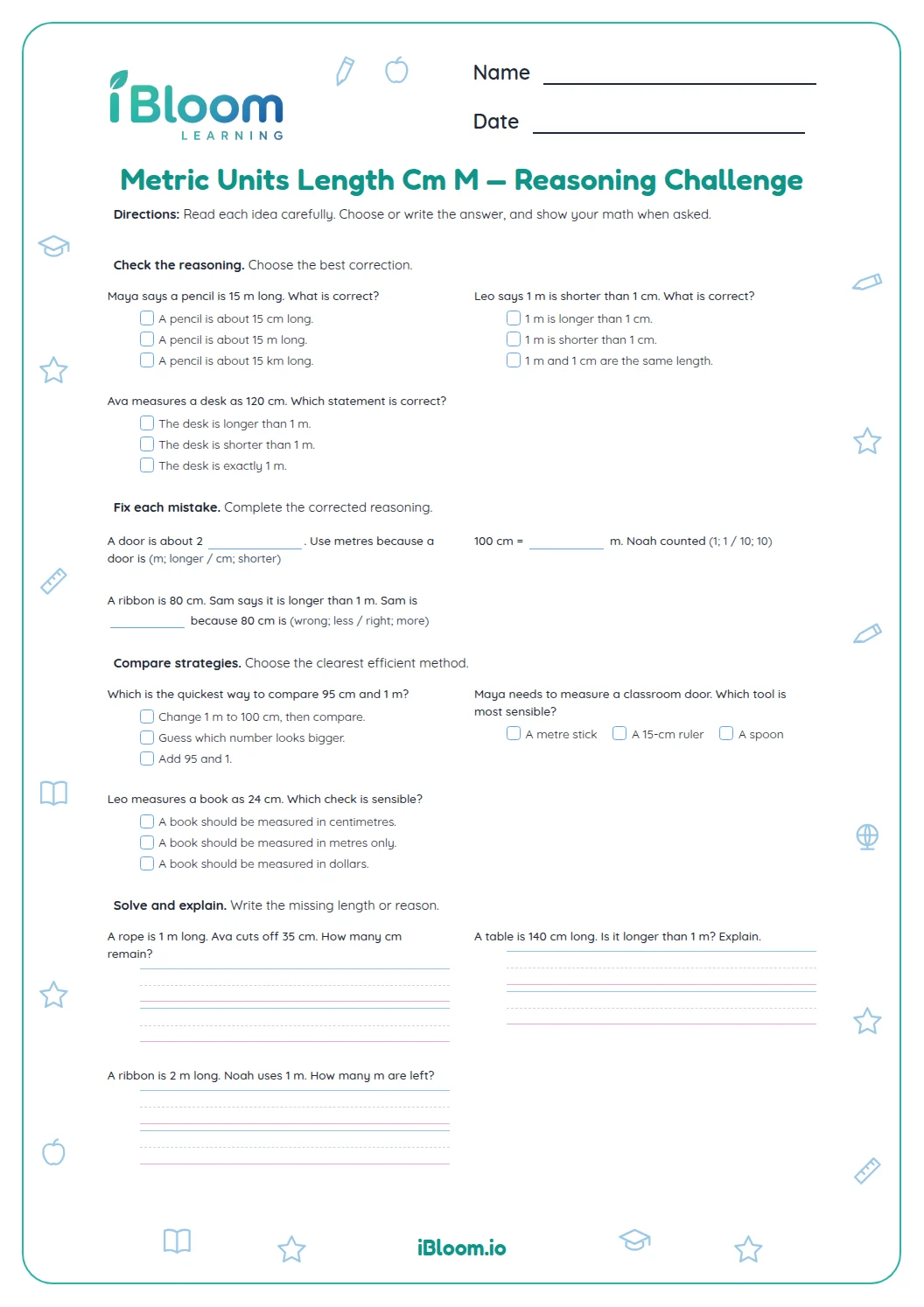 Metric Units Length Cm M — Reasoning ChallengePrintable Grade 2 measurement worksheets for practising centimetres and metres through measuring, estimating, comparing, and choosing sensible metric units. This Grade 2 reasoning worksheet combines error analysis, strategy comparison, missing information, and a gentle extension.Grade 2Free PDF preview
Practice that builds confidence
Understanding centimetres and metres
These Grade 2 metric length worksheets help children practise measuring in centimetres and metres, choosing the better unit for an object, and thinking about length in real-life terms. Children build confidence with the language of measurement, including longer, shorter, about, exact, centimetre, and metre.
The printable activities include clear measuring tasks, comparison questions, estimation practice, and simple metric length problems. They are designed for pencil-and-paper work with a ruler, metre stick, or classroom measuring tools where needed.
Centimetres are useful for small objects such as a pencil, eraser, book, or hand span. Metres are better for longer lengths such as a door, table, hallway, or the height of a child. These worksheets guide Grade 2 learners to connect each unit with familiar objects instead of treating cm and m as just labels after a number.
Building the skill step by step
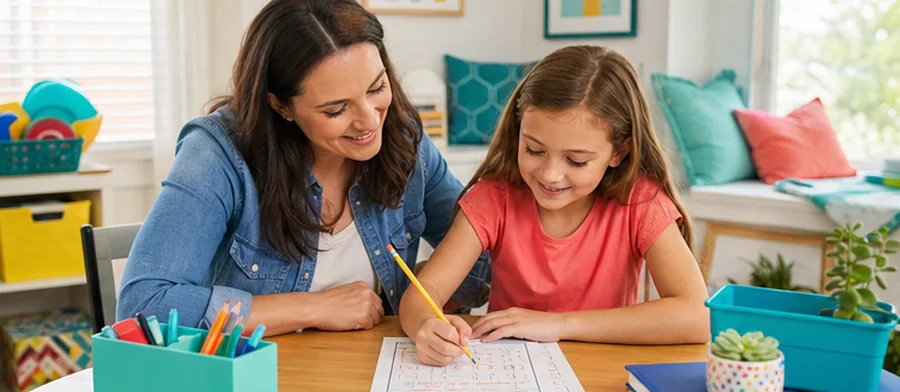
Children begin by identifying which unit makes sense, then move into measuring and comparing lengths. Some questions ask them to decide whether an answer should be in cm or m; others encourage them to estimate before measuring. This progression supports an important measurement habit: first think about the size of the object, then choose the tool and unit.
Parent routine for home practice
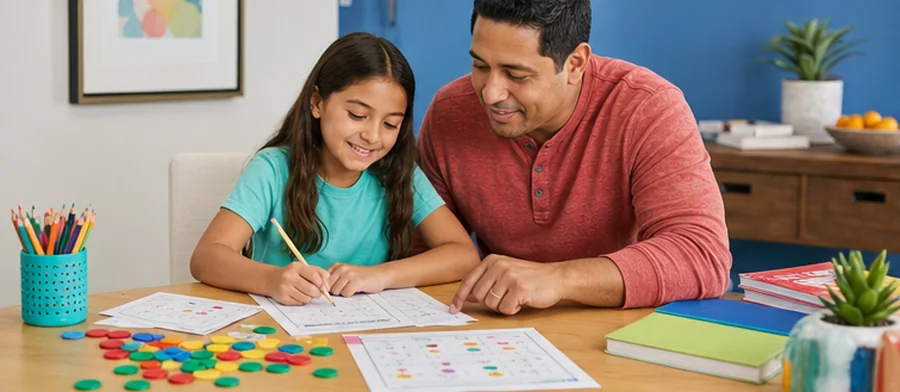
Pick three household objects: one small, one medium, and one long. Ask your child, “Would you measure this in centimetres or metres?” Then let them measure one object with a ruler and one larger space with a metre stick or tape measure. Finish by asking them to draw a quick line or object and label it with a reasonable metric length.
Classroom uses for teachers
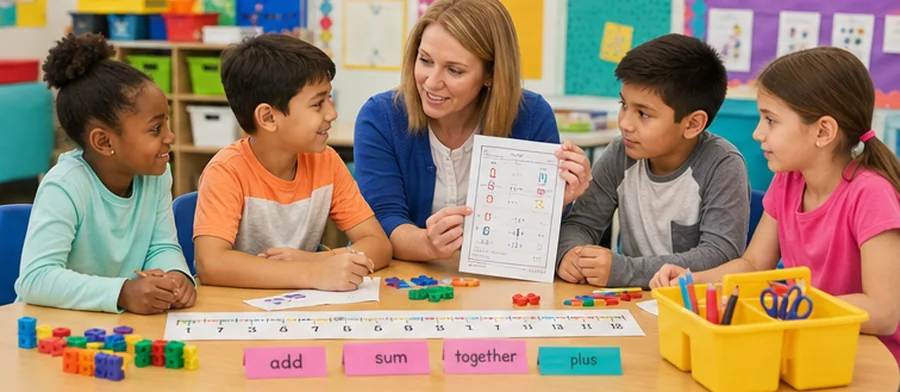
Teachers can use these pages for measurement lessons, math centers, partner practice, review, or quick checks after hands-on measuring. Pair the worksheets with real rulers, metre sticks, classroom objects, and a discussion board showing examples of items best measured in cm and items best measured in m.
Common errors to watch for
Children may choose metres for very small objects, write a number without a unit, start measuring from the edge of the ruler instead of zero, or confuse a longer number with a longer actual length when units differ. Encourage them to say the full measurement aloud, such as “12 centimetres,” and to check whether the unit matches the object.
Free printable PDF download
Use this Grade 2 metric length cm m worksheet page to preview the activity, print it, or download it as a PDF for quick practice. It works well for homework, homeschool lessons, tutoring, morning work, revision, and classroom centers.
Answers and answer key support
After the child completes the worksheet independently, parents and teachers can use the answer support or answer key information to check the work, review mistakes, and choose the next practice step.
Why iBloom worksheets help
iBloom worksheets keep the focus on practical metric length sense. The questions are clear, varied, and age-appropriate, so children practise more than one action: choosing units, measuring carefully, comparing lengths, and explaining what a measurement means. A child-friendly strategy is: look at the object, choose cm or m, line up at zero, measure, then write the number and unit.
Helpful answers
Frequently asked questions
What do children practise in these Grade 2 metric length worksheets?
They practise measuring and estimating lengths, comparing objects, and choosing whether centimetres or metres are the better unit for a given object.
When should a child use centimetres instead of metres?
Centimetres are best for smaller objects such as pencils, books, crayons, or hands. Metres are better for longer objects or spaces such as doors, rooms, and hallways.
Do children need a ruler for these worksheets?
Some activities can be answered by reasoning about units, while measuring tasks work best with a centimetre ruler, metre stick, or measuring tape.
What is a common mistake with centimetres and metres?
A common mistake is picking a unit that is not reasonable, such as saying a pencil is 2 metres long. Children should picture the object and decide whether it is small enough for cm or long enough for m.
How can I support metric length practice at home?
Ask your child to choose cm or m for everyday objects, measure a few items, and say the full measurement aloud with the unit included.
Is this Grade 2 metric length cm m worksheet free?
Yes. You can preview it for free and use the printable worksheet for home or classroom practice.
Can I download this Grade 2 metric length cm m worksheet as a PDF?
Yes. Use the worksheet download option to save a printable PDF, or print the worksheet directly from the page.
Does this Grade 2 metric length cm m worksheet include answers or an answer key?
When the activity has fixed answers, iBloom includes answer support so parents and teachers can check the completed worksheet.