





About this worksheet
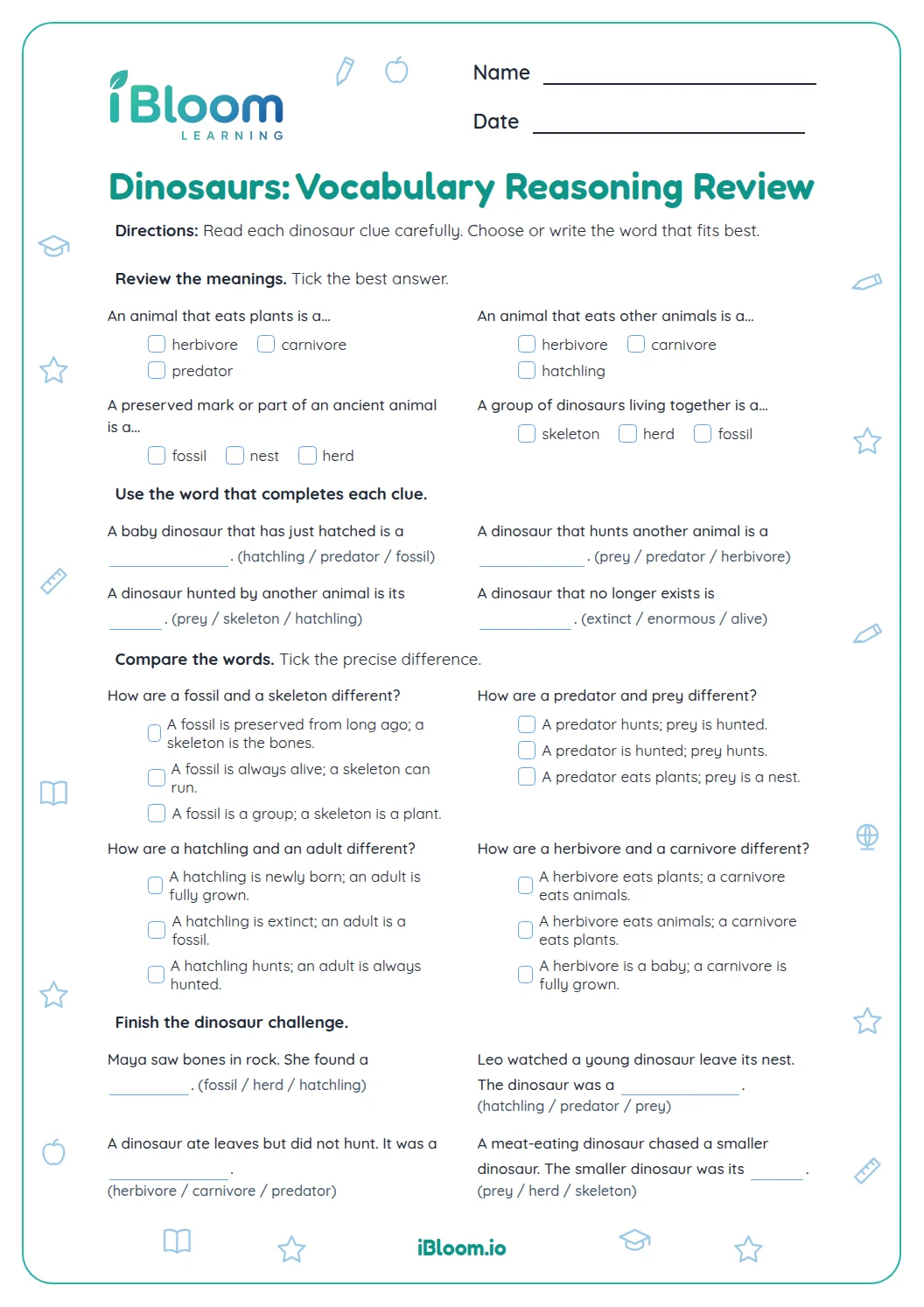
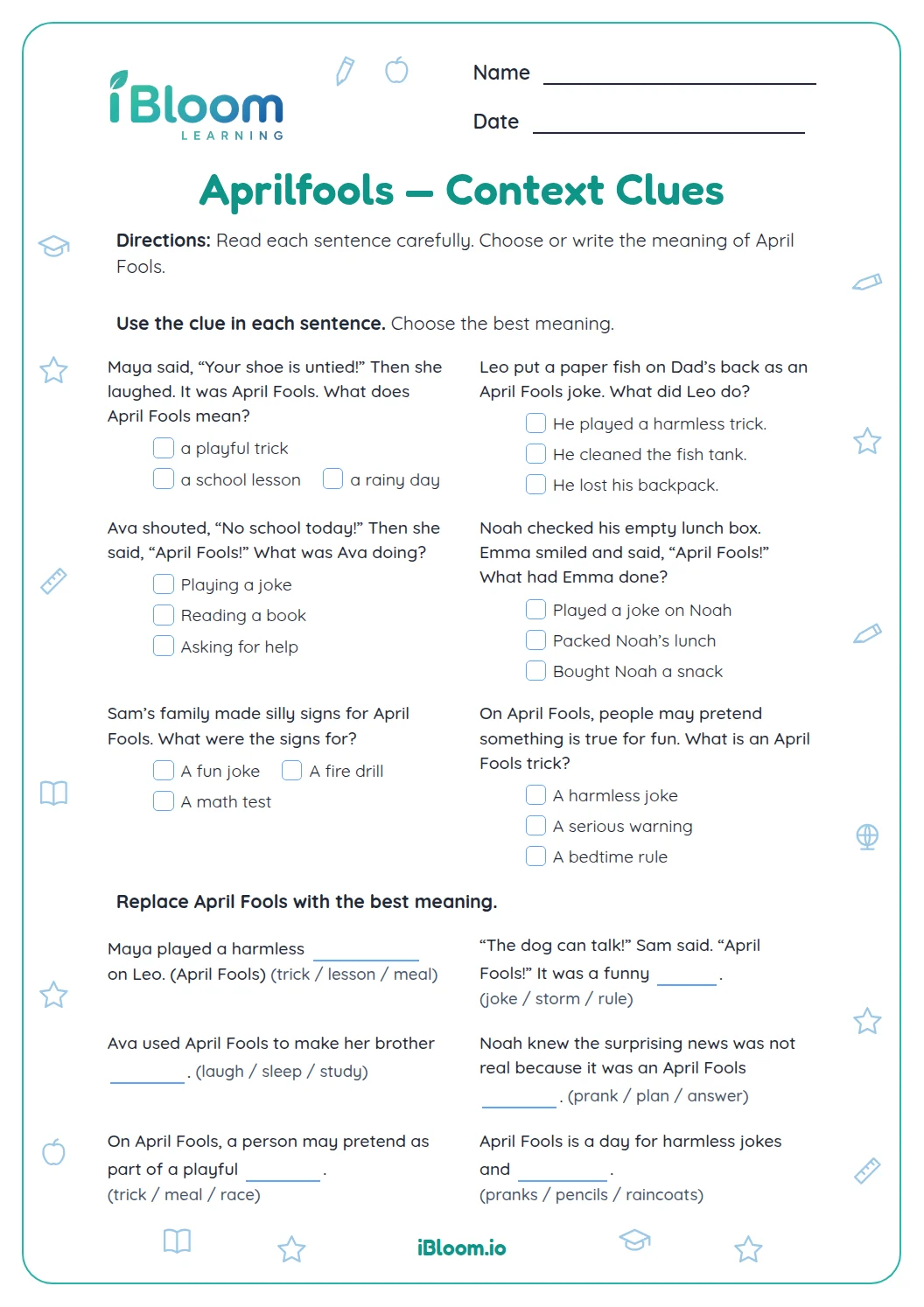
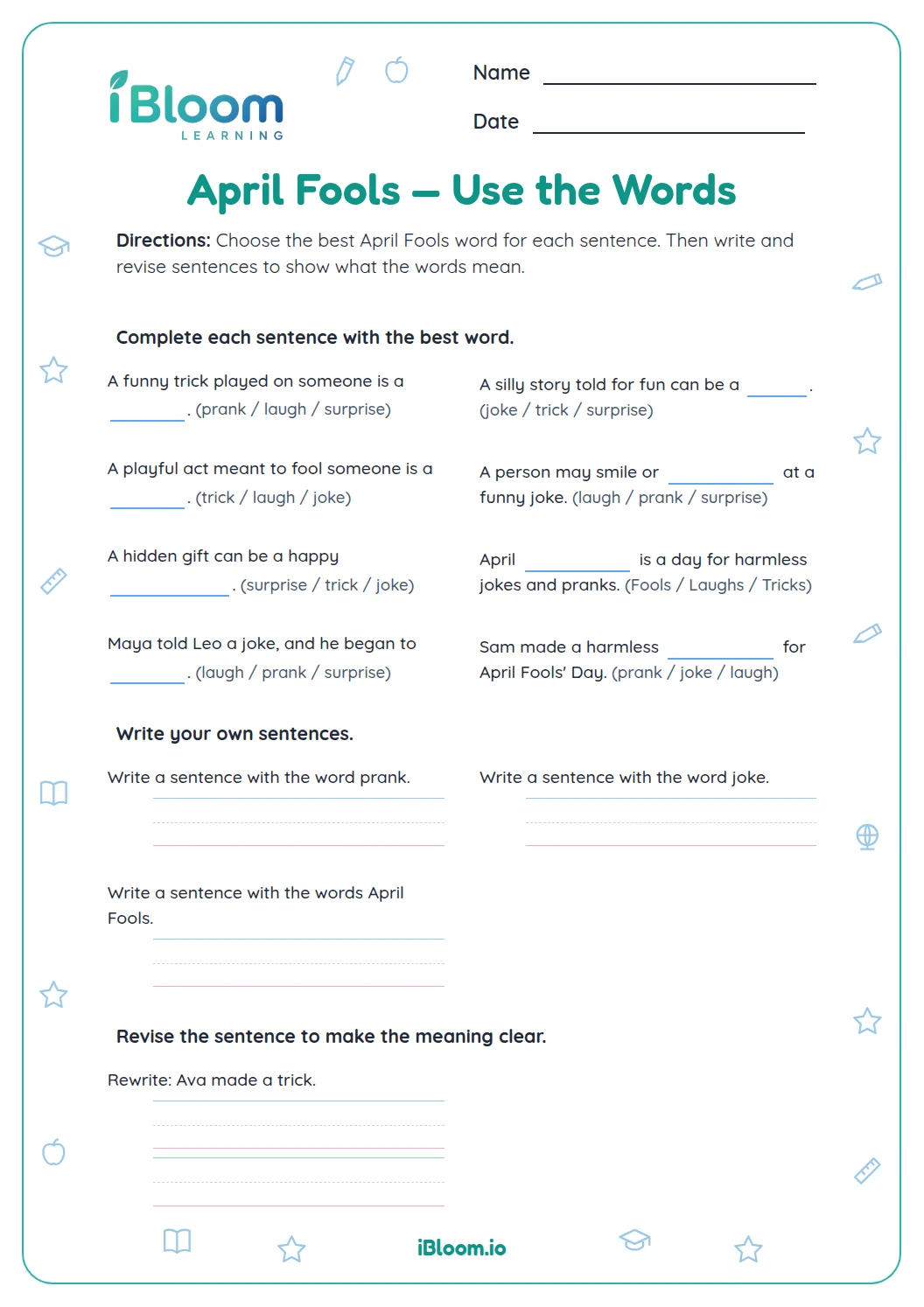
This two-page Grade 2 vocabulary worksheet builds meaning for dinosaur words through short clues and definitions. Students name a footprint, skeleton, fossil, and other words from clues, then write matching vocabulary for body parts and dinosaur life. The second set now adds distinct terms such as tail, teeth, and extinct instead of repeating earlier answers. The separate answer key lists all 16 responses. It supports CCSS L.2.4, using strategies to determine or clarify word meanings in grade-level reading and content.
Aligned to L.2.4
What words do students practice?
The 16 items cover animal diets, groups, body parts, tracks, eggs, and fossil evidence. Part A asks students to complete short dinosaur clues. Part B asks them to write a word matching each meaning.
Several terms describe related ideas, so students should use the whole clue: a footprint is a mark made by a foot, while tracks can be marks left by walking feet. The second part includes additional dinosaur words rather than repeating Part A answers.
- Part A: eight clues about dinosaur words
- Part B: eight meaning prompts with one short answer each
- Vocabulary includes footprint, fossil, claw, tail, teeth, and extinct
How can a clue point to a word?
Look for the detail that makes the meaning specific. “A sharp point on a toe” points to claw, while “a preserved trace or remain from long ago” points to fossil. Read all the words in the clue before deciding.
- 1A mark left by a foot is a ___.
- 2A mark made by a foot is a footprint.
- 3Answer: footprint
How are clues different from definitions?
Some prompts describe a word directly, and others place it in a dinosaur-related idea. In either case, students can name the feature first—such as diet, body part, or trace—then choose or write the matching word. Encourage them to explain which clue detail helped.
How to work through the worksheet
- 1Read the full clue before looking at choices.
- 2Name the topic of the clue: body part, diet, group, egg, or fossil.
- 3Compare the clue details with each possible word.
- 4Write one word that fits each meaning in Part B.
- 5Use the answer key to check spelling and meaning.
Common mistakes and quick fixes
The mistake
Mixing up herbivore and carnivore.
The fix
Check the food clue: plants point to herbivore; meat points to carnivore.
The mistake
Using footprint for every trace from the past.
The fix
A footprint is a foot mark; a fossil is a preserved trace or remain from long ago.
The mistake
Choosing a word from the topic instead of the clue.
The fix
Look for the defining detail, such as “sharp point on a toe,” before answering claw.
Common Core alignment
This worksheet practices skills described in these grade-level language or reading standards.
Use strategies to determine or clarify word meanings in grade-level reading and content.
On this sheet: Students use short clues and definitions to determine dinosaur vocabulary meanings.
Show the official wordingHide the official wording
Determine or clarify the meaning of unknown and multiple-meaning words and phrases based on grade 2 reading and content, choosing flexibly from an array of strategies.
What to practice next
Make more practice
Questions parents and teachers ask
What is a footprint?
A footprint is a mark left by a foot. Part A uses that clue so students can connect a familiar idea to the word. The worksheet also uses tracks for marks left by walking feet, helping students notice how related vocabulary can have slightly different meanings.
What is the difference between a herbivore and a carnivore?
A herbivore eats plants, while a carnivore eats meat. Students use those diet clues in Part A and later connect each diet with the words plant-eater and meat-eater. Reading the food clue carefully helps keep these two related dinosaur terms distinct.
What does fossil mean on this worksheet?
A fossil is a preserved trace or remain from long ago. The clue distinguishes it from a footprint, which is specifically a mark left by a foot. The worksheet uses both ideas so students connect each term to its defining feature.
How many questions are on the worksheet?
There are 16 questions across two parts: eight dinosaur clues in Part A and eight meaning prompts in Part B. The answer key is separate. Most responses are a single vocabulary word, so students can focus on matching meaning rather than writing long explanations.
How should a student solve a meaning prompt?
Read the whole clue and identify its key detail before choosing a word. For example, “a sharp point on a toe” signals a body part and points to claw. Then reread the prompt with the word in mind to check that the meaning fits.