Free printable practice
Compound Words Practice Activities
Grade 3 vocabulary worksheets for recognizing, building, breaking apart, and using compound words in meaningful sentences.
Free printable worksheet PDFs
Preview every available page, then download the free worksheet PDF for home, homeschool, tutoring, or classroom practice.
Preview the exact activity before downloading it.
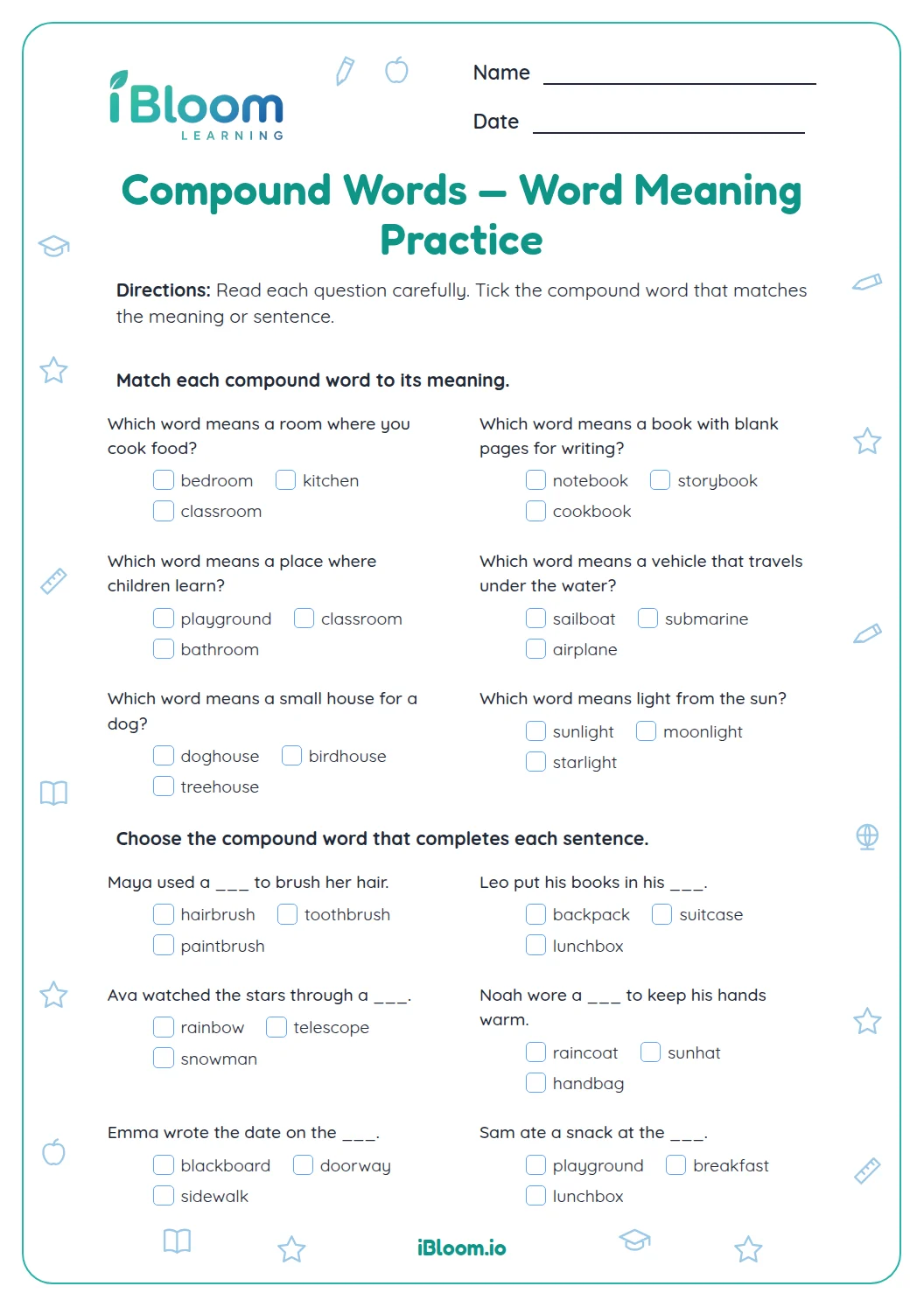 Compound Words — Word Meaning PracticeGrade 3 vocabulary worksheets for recognizing, building, breaking apart, and using compound words in meaningful sentences. This word meaning practice worksheet provides a distinct, age-appropriate way to practise the same lesson.Grade 3Free PDF preview
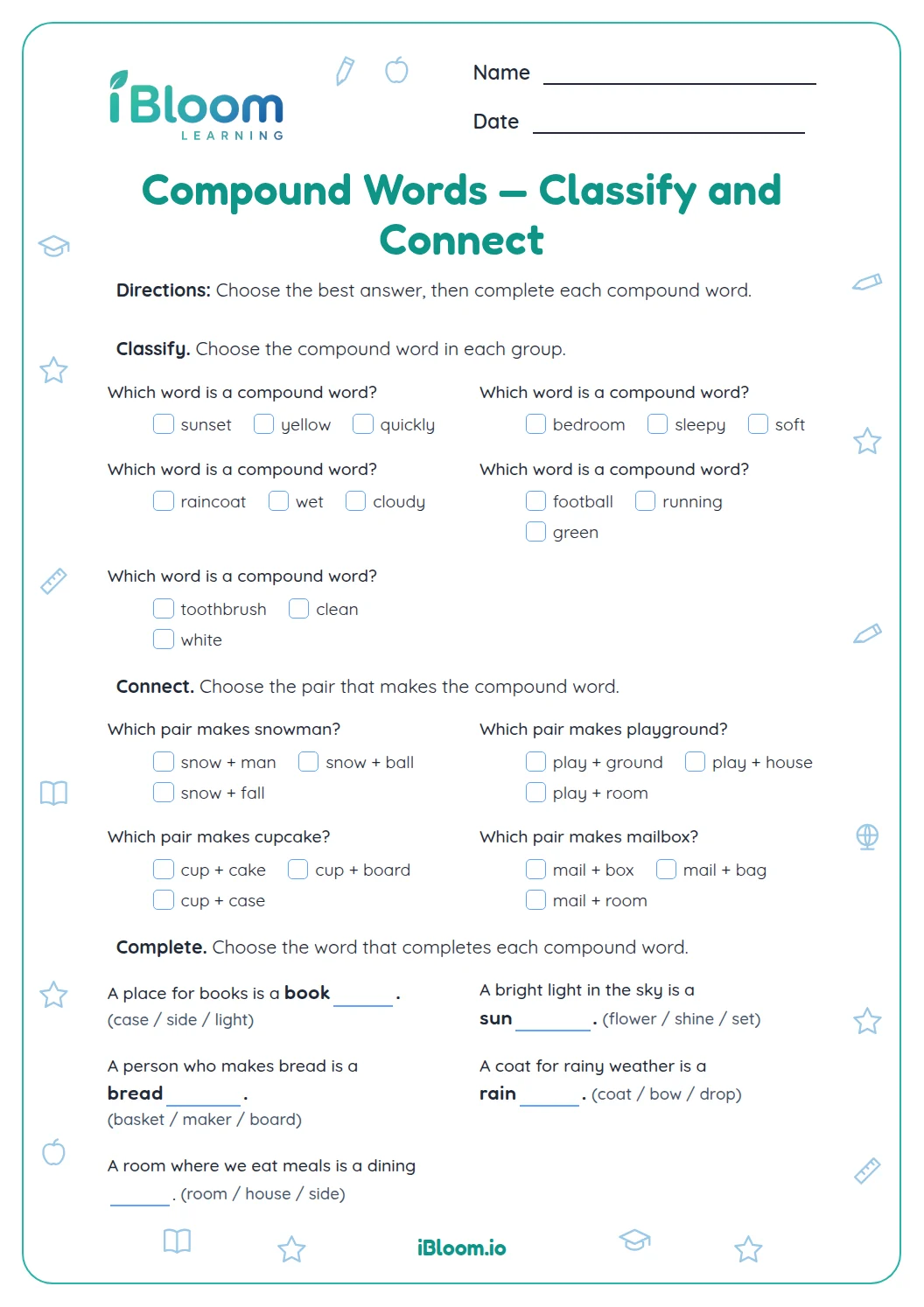 Compound Words — Classify and ConnectGrade 3 vocabulary worksheets for recognizing, building, breaking apart, and using compound words in meaningful sentences. This classify and connect worksheet provides a distinct, age-appropriate way to practise the same lesson.Grade 3Free PDF preview
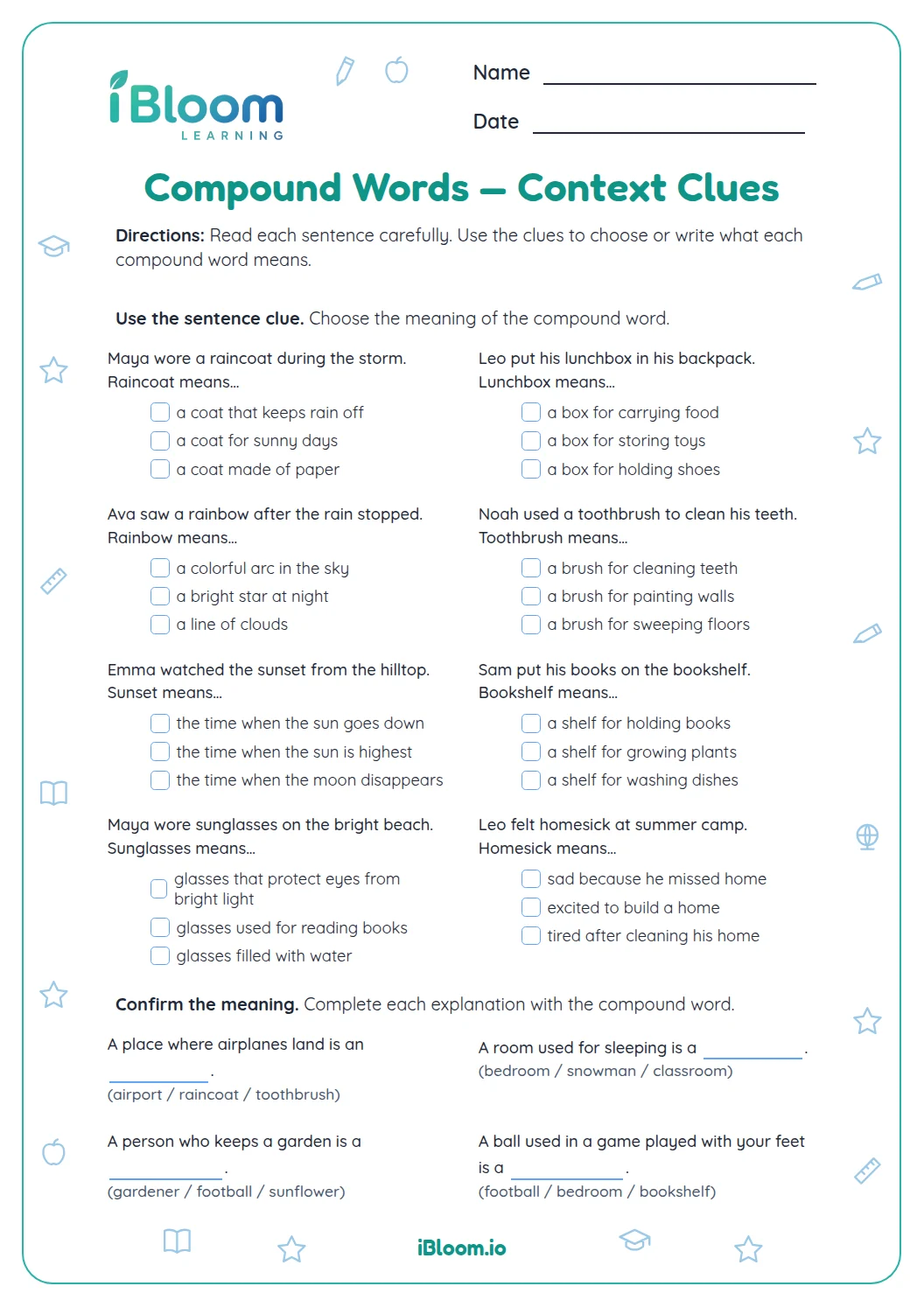 Compound Words — Context CluesGrade 3 vocabulary worksheets for recognizing, building, breaking apart, and using compound words in meaningful sentences. This context clues worksheet provides a distinct, age-appropriate way to practise the same lesson.Grade 3Free PDF preview
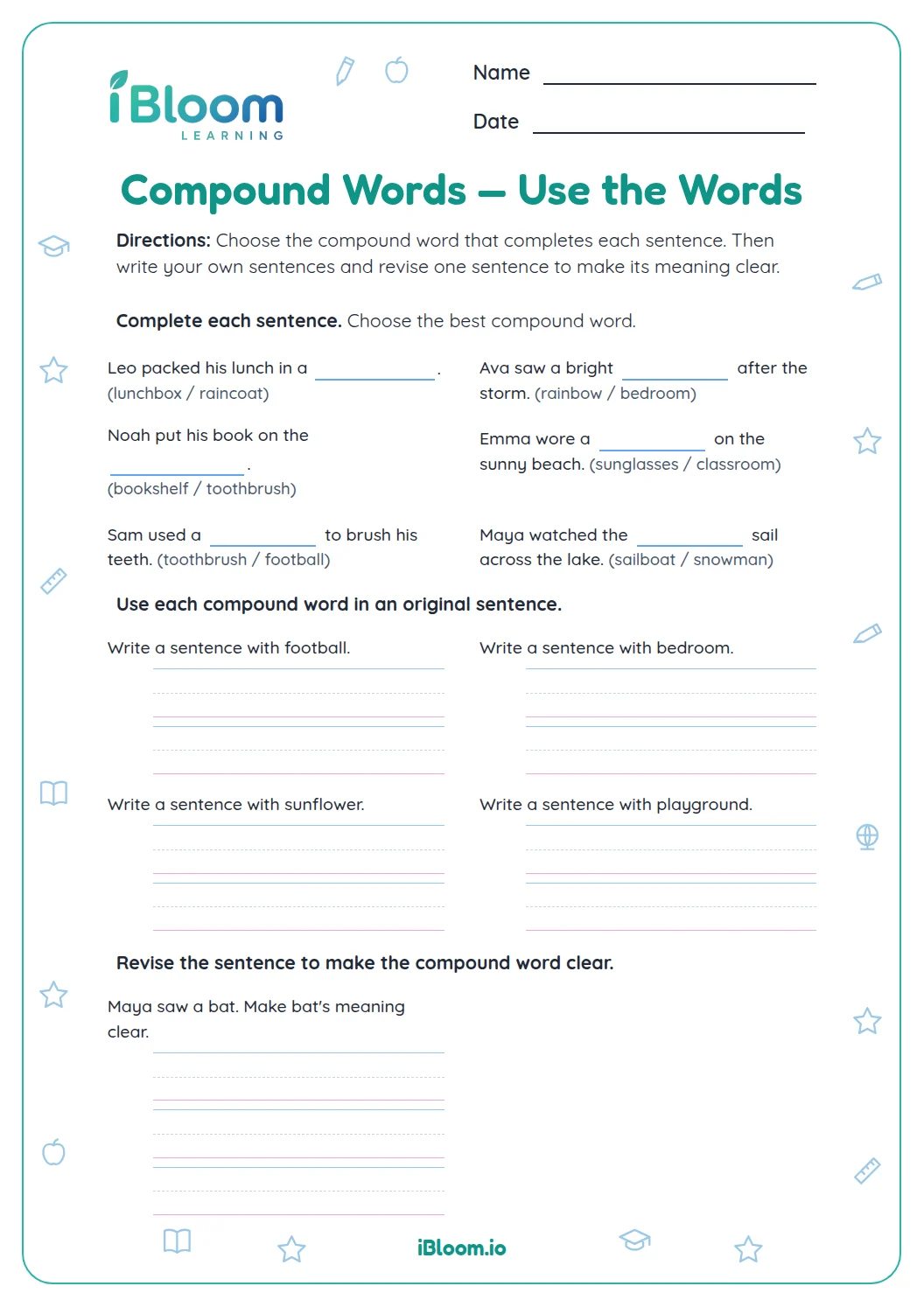 Compound Words — Use the WordsGrade 3 vocabulary worksheets for recognizing, building, breaking apart, and using compound words in meaningful sentences. This use the words worksheet provides a distinct, age-appropriate way to practise the same lesson.Grade 3Free PDF preview
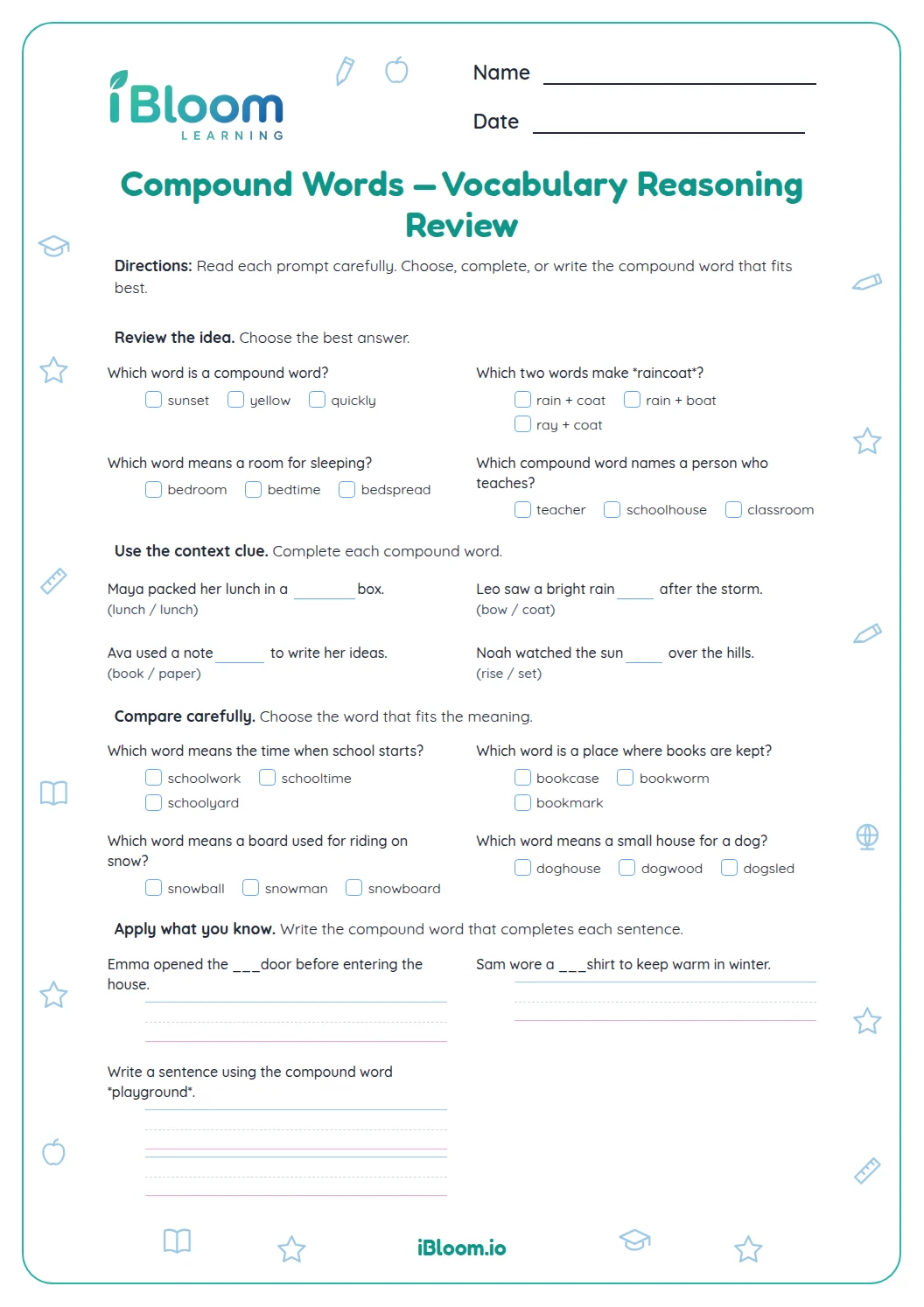 Compound Words — Vocabulary Reasoning ReviewGrade 3 vocabulary worksheets for recognizing, building, breaking apart, and using compound words in meaningful sentences. This vocabulary reasoning review worksheet provides a distinct, age-appropriate way to practise the same lesson.Grade 3Free PDF preview
Practice that builds confidence
What Grade 3 students learn
These Grade 3 compound words worksheets help children see how two smaller words can join to make a new word with its own meaning, such as sunshine, backpack, or bedtime. Students practise noticing the parts of a compound word and using those parts to understand vocabulary.
The printable activities include matching word parts, sorting compound and non-compound words, completing compound words, breaking words into two meaningful parts, and writing sentences that show correct meaning in context.
Compound words are a useful bridge between decoding, vocabulary, and comprehension. Children learn that each part must be a real word and that the new word often names a more specific person, place, thing, or idea. For example, a toothbrush is not any brush; it is a brush used for teeth. This helps students read longer words with confidence instead of guessing from the first few letters.

Skill progression in the worksheets
The practice moves from recognition to production. Students may begin by circling compound words, then match halves such as rain + coat, fill in a missing part, or split a word like playground into play and ground. Later tasks ask children to choose the compound word that best fits a sentence, which checks whether they understand the word rather than simply joining two pieces.
A simple parent routine
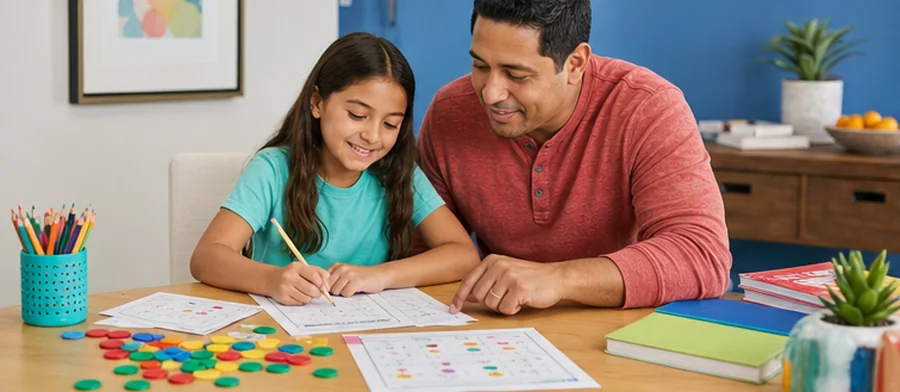
At home, read one word aloud and ask, “Can you hear two smaller words?” Have your child cover the first part, read the second part, then switch. Next, ask what the whole word means and use it in a quick sentence: “We packed a lunchbox for the trip.” Keep a small list of compound words found in books, cereal boxes, signs, or household items such as notebook and toothbrush.
Classroom uses for teachers
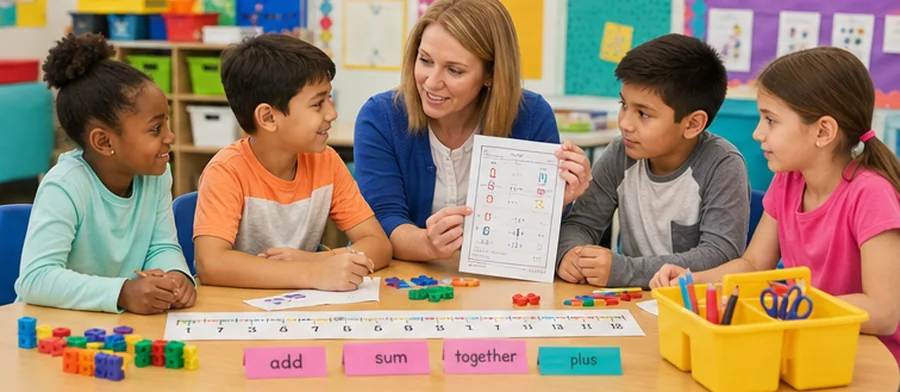
Teachers can use these printables for vocabulary centers, morning work, small-group reteaching, or a follow-up after a mini-lesson on word parts. They also work well for partner talk: one student reads the two parts, and the other explains the meaning of the whole word. Finished sheets can become anchor-chart examples sorted by categories such as school words, outdoor words, and home words.
Common errors and a child-friendly strategy
Some students join any two words without checking meaning, or they split a word in the wrong place, such as treating carpet as car + pet. Others understand the parts but use the compound word in an unclear sentence. Teach the strategy “two real words, one new meaning.” If both smaller words make sense and the whole word names a clear idea, it is likely a compound word.
Free printable PDF download
Use this grade 3 compound words worksheet page to preview the activity, print it, or download it as a PDF for quick practice. It works well for homework, homeschool lessons, tutoring, morning work, revision, and classroom centers.
Answers and answer key support
After the child completes the worksheet independently, parents and teachers can use the answer support or answer key information to check the work, review mistakes, and choose the next practice step.
Why iBloom worksheets help
The iBloom activities give repeated, varied practice so children do more than memorize a list. Matching, sorting, completing, and sentence-writing tasks help Grade 3 learners connect spelling, meaning, and usage. Clear page layouts keep attention on the word work, while the mix of familiar examples supports independent practice and confident vocabulary growth.
Helpful answers
Frequently asked questions
What is a compound word for Grade 3 students?
A compound word is made when two smaller words join to form one word with a new meaning, such as backpack, sunlight, or playground. Grade 3 students learn to identify both parts and explain the whole word.
How do these worksheets help with vocabulary?
They help children connect word parts to meaning. Instead of memorizing a long word, students learn to break it into familiar pieces, understand the new idea, and use the word correctly in a sentence.
What types of compound word activities are included?
The activities may include matching two word parts, circling compound words, completing missing parts, breaking compound words apart, sorting examples, and writing sentences with the correct compound word.
What mistakes should I watch for when my child practises?
Watch for joining two random words that do not create a clear meaning, splitting a word in the wrong place, or writing a sentence that does not show the compound word’s meaning. Ask, “Are these two real words, and what does the new word mean?”
Can these worksheets be used in a classroom center?
Yes. They are suitable for vocabulary centers, partner work, early finisher practice, small-group review, or a quick check after teaching compound words.
Is this grade 3 compound words worksheet free?
Yes. You can preview it for free and use the printable worksheet for home or classroom practice.
Can I download this grade 3 compound words worksheet as a PDF?
Yes. Use the worksheet download option to save a printable PDF, or print the worksheet directly from the page.
Does this grade 3 compound words worksheet include answers or an answer key?
When the activity has fixed answers, iBloom includes answer support so parents and teachers can check the completed worksheet.