Free printable practice
Rough Smooth Practice Activities
Grade 1 science worksheets for identifying, comparing, and describing rough and smooth materials using touch-based observations.
Free printable worksheet PDFs
Preview every available page, then download the free worksheet PDF for home, homeschool, tutoring, or classroom practice.
Preview the exact activity before downloading it.
 Rough Smooth — Sort and ClassifyGrade 1 science worksheets for identifying, comparing, and describing rough and smooth materials using touch-based observations. This sort and classify worksheet provides a distinct, age-appropriate way to practise the same lesson.Grade 1Free PDF preview4 pages
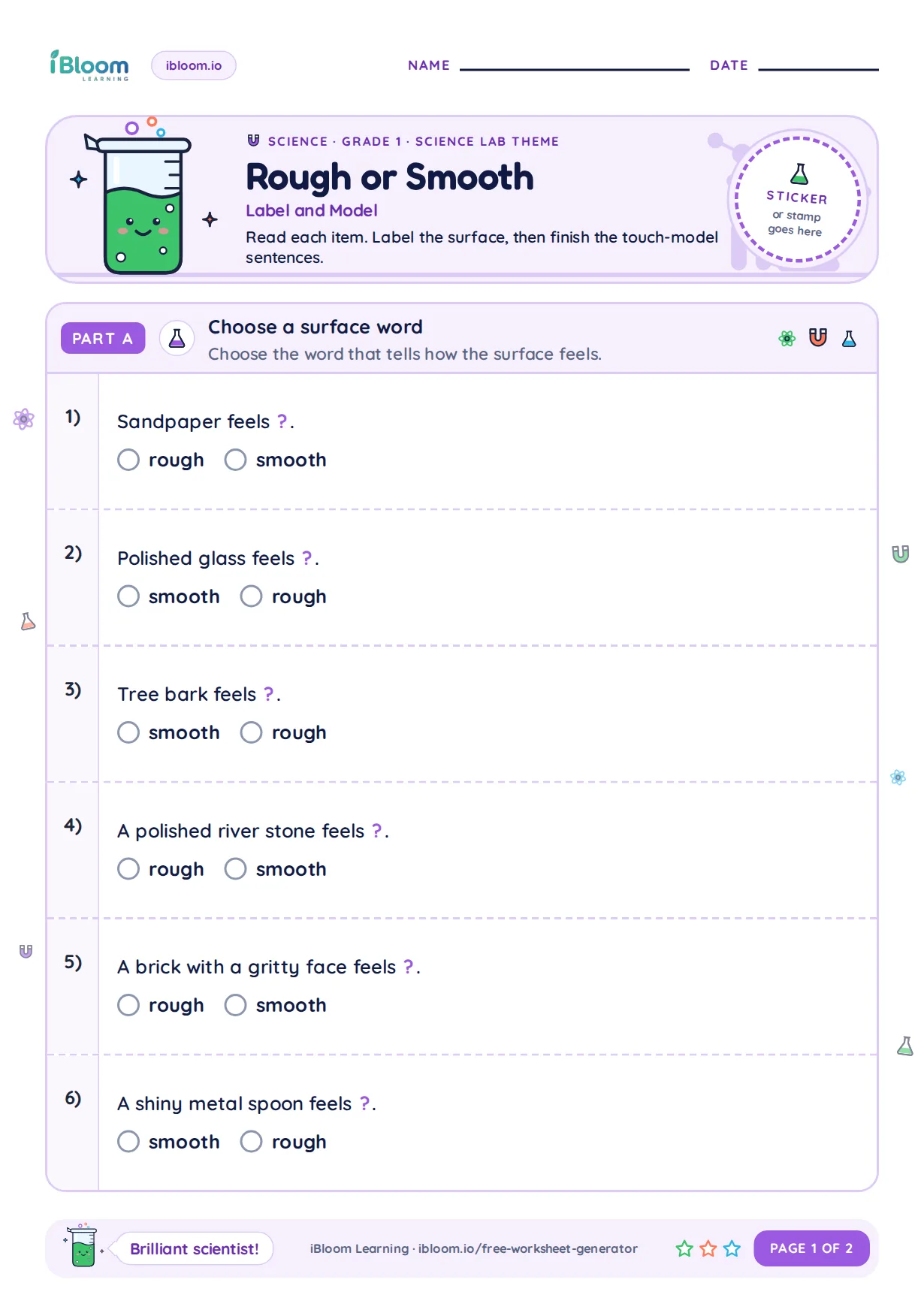 Rough Smooth — Label and ModelGrade 1 science worksheets for identifying, comparing, and describing rough and smooth materials using touch-based observations. This label and model worksheet provides a distinct, age-appropriate way to practise the same lesson.Grade 1Free PDF preview
 Rough Smooth — Explain Cause and EffectGrade 1 science worksheets for identifying, comparing, and describing rough and smooth materials using touch-based observations. This explain cause and effect worksheet provides a distinct, age-appropriate way to practise the same lesson.Grade 1Free PDF preview4 pages
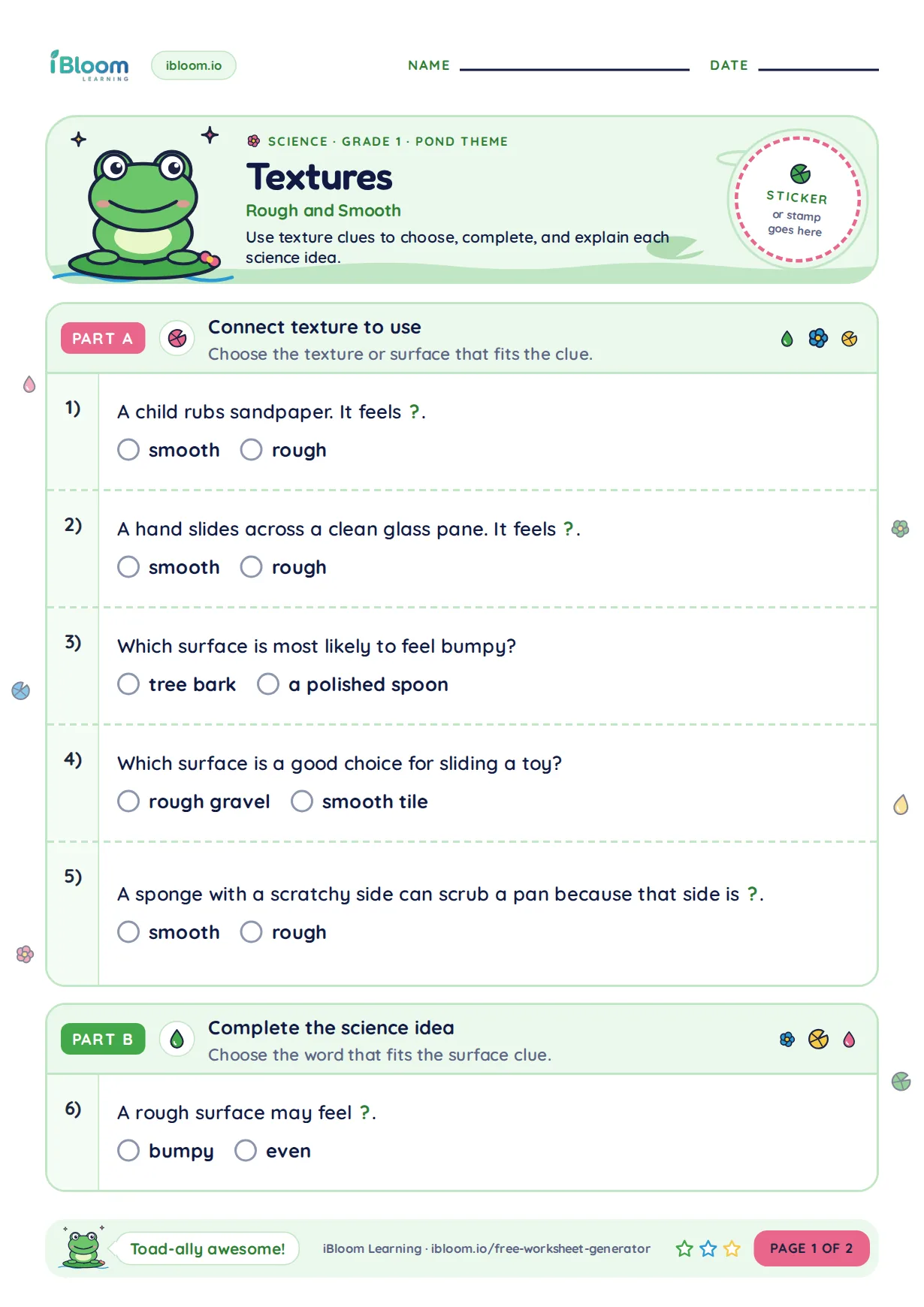 Rough Smooth — Apply Science IdeasGrade 1 science worksheets for identifying, comparing, and describing rough and smooth materials using touch-based observations. This apply science ideas worksheet provides a distinct, age-appropriate way to practise the same lesson.Grade 1Free PDF preview
 Rough Smooth — Science Reasoning ReviewGrade 1 science worksheets for identifying, comparing, and describing rough and smooth materials using touch-based observations. This science reasoning review worksheet provides a distinct, age-appropriate way to practise the same lesson.Grade 1Free PDF preview
Practice that builds confidence
Understanding rough and smooth
These Grade 1 science worksheets help children explore the material property of texture by telling whether objects feel rough or smooth. Students practise observing surfaces, using correct describing words, and comparing everyday materials such as rocks, glass, fabric, sandpaper, and plastic.
The printable activities include picture sorting, labeling, matching, circling, and simple observation tasks. Children build confidence using science vocabulary while learning that texture is one way to describe and group materials.
Rough and smooth are texture words that describe how a surface feels. A rough surface may feel bumpy, scratchy, uneven, or gritty, while a smooth surface may feel flat, soft, slippery, or even. In Grade 1, children do not need technical measurements; they need repeated chances to observe, compare, and explain what they notice using clear language.
How the skill progresses
These worksheets begin with familiar object pictures so children can identify obvious examples, such as a rough rock or a smooth mirror. They then move to sorting and matching tasks where students compare two surfaces and choose the better description. Some activities ask children to label objects or explain why an item belongs in a group, helping them connect observation with reasoning.
A simple parent routine
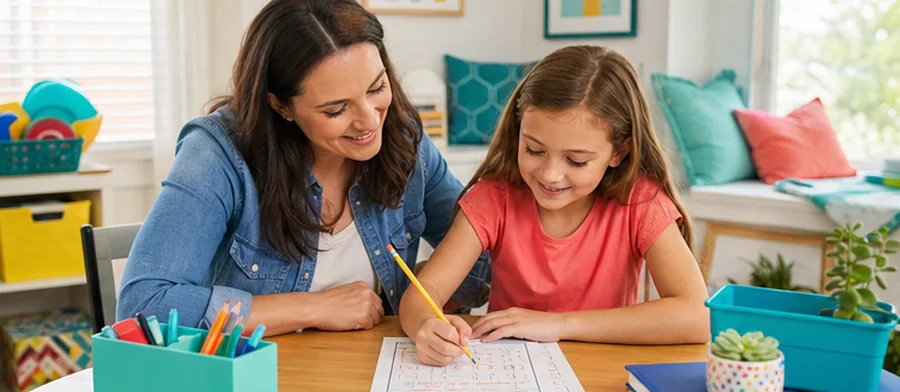
At home, choose four safe objects with different textures, such as a towel, spoon, cardboard box, and pebble. Ask your child to touch each one gently and say, “This feels rough because…” or “This feels smooth because…”. Then use a worksheet to sort similar pictures. Finish by asking your child to find one more rough object and one more smooth object in the room.
Classroom uses for teachers
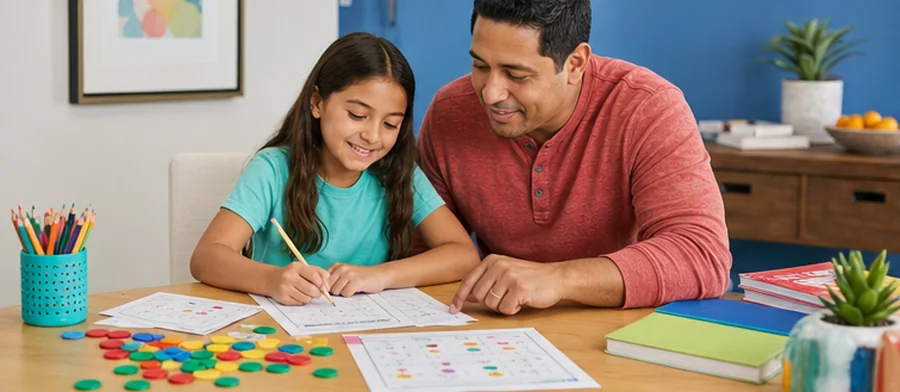
Teachers can use these pages during a material properties unit, at science centers, or after a texture walk around the classroom. The worksheets also work well for small-group vocabulary practice: students can describe an object, listen to a classmate’s idea, and decide whether the evidence fits rough or smooth. For discussion, ask children to compare objects that are similar in shape but different in texture, such as paper and sandpaper.
Common errors to watch for
Some children may describe color, size, or hardness instead of texture. A shiny object is not always smooth, and a dull object is not always rough. Students may also confuse soft with smooth or hard with rough. Encourage them to focus on what the surface feels like, not what it looks like or how heavy it is.
Free printable PDF download
Use this rough and smooth worksheets grade 1 page to preview the activity, print it, or download it as a PDF for quick practice. It works well for homework, homeschool lessons, tutoring, morning work, revision, and classroom centers.
Answers and answer key support
After the child completes the worksheet independently, parents and teachers can use the answer support or answer key information to check the work, review mistakes, and choose the next practice step.
Why iBloom worksheets help
The iBloom activities give children varied practice with the same core idea, so they are not just memorizing one picture. A helpful child-friendly strategy is: touch safely, describe the feel, compare with another object, then choose rough or smooth. This routine helps young scientists slow down, use evidence, and build accurate science vocabulary.
Helpful answers
Frequently asked questions
What do Grade 1 students learn from rough and smooth worksheets?
They learn to observe the texture of a surface, describe it with words such as rough or smooth, and sort materials based on how they feel.
How can I explain rough and smooth to a first grader?
Use safe everyday objects. Let the child gently feel a spoon, towel, rock, or piece of paper, then ask whether the surface feels bumpy, scratchy, flat, or even.
Should children use sight or touch for these activities?
They can look at pictures on the worksheet, but the concept is strongest when paired with safe touch-based observation using real objects.
What mistakes are common when learning rough and smooth?
Children may describe color, size, hardness, or shininess instead of texture. Remind them to focus on the feel of the surface.
How can teachers use these worksheets in a science lesson?
Teachers can use them after a material investigation, in science centers, for picture sorting, or as a follow-up to a classroom texture hunt.
Is this rough and smooth worksheets grade 1 free?
Yes. You can preview it for free and use the printable worksheet for home or classroom practice.
Can I download this rough and smooth worksheets grade 1 as a PDF?
Yes. Use the worksheet download option to save a printable PDF, or print the worksheet directly from the page.
Does this rough and smooth worksheets grade 1 include answers or an answer key?
When the activity has fixed answers, iBloom includes answer support so parents and teachers can check the completed worksheet.