



About this worksheet
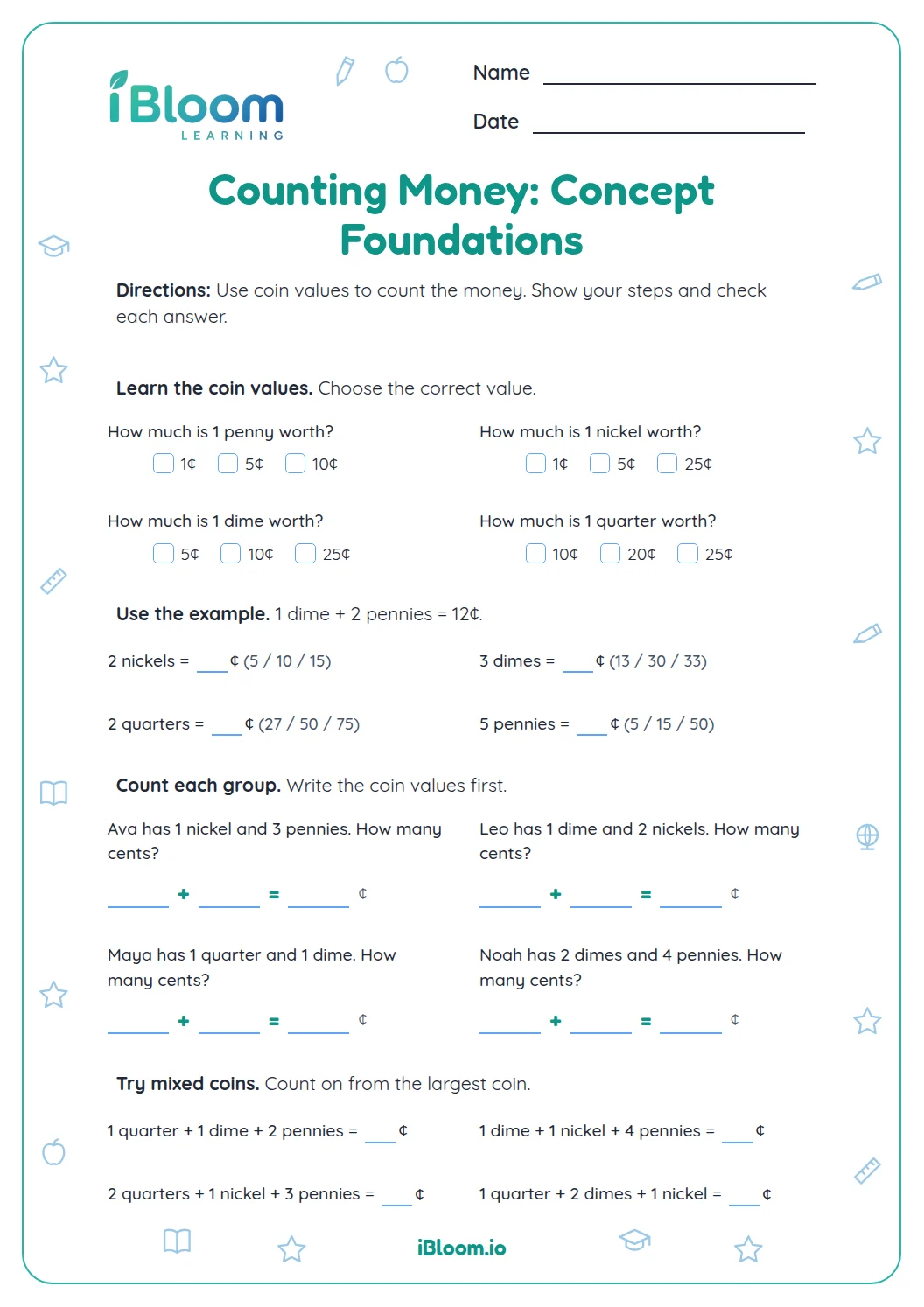
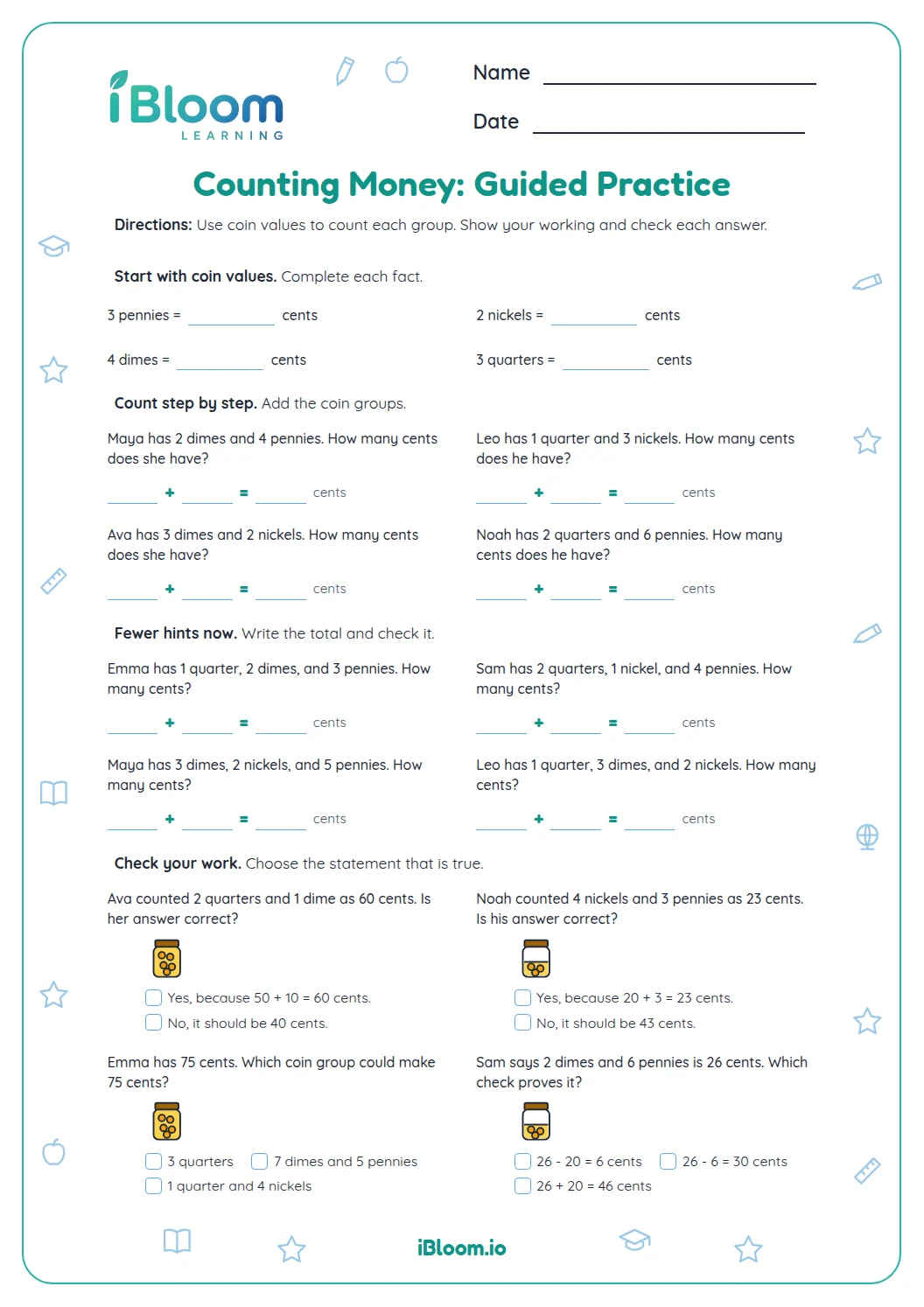
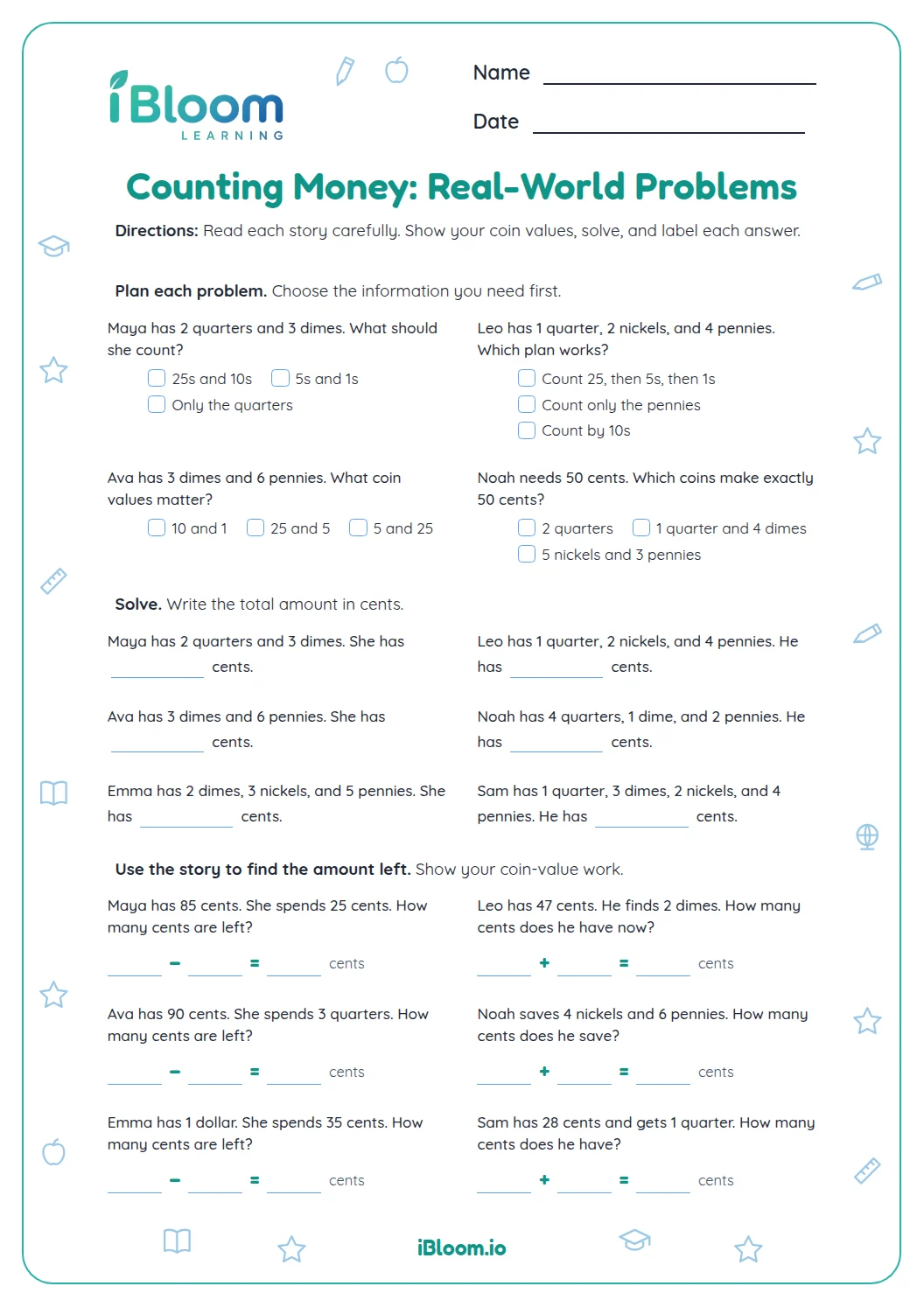
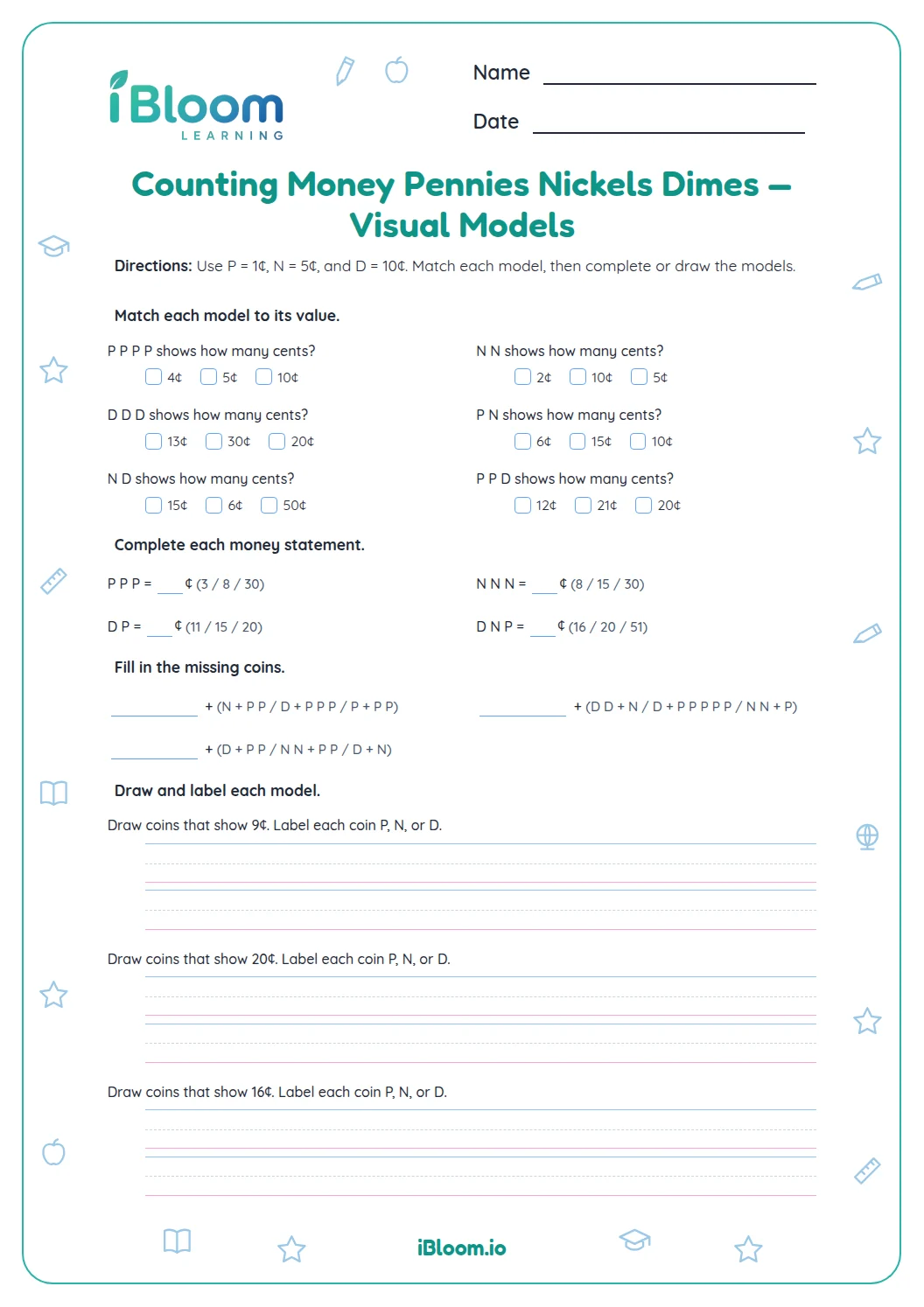
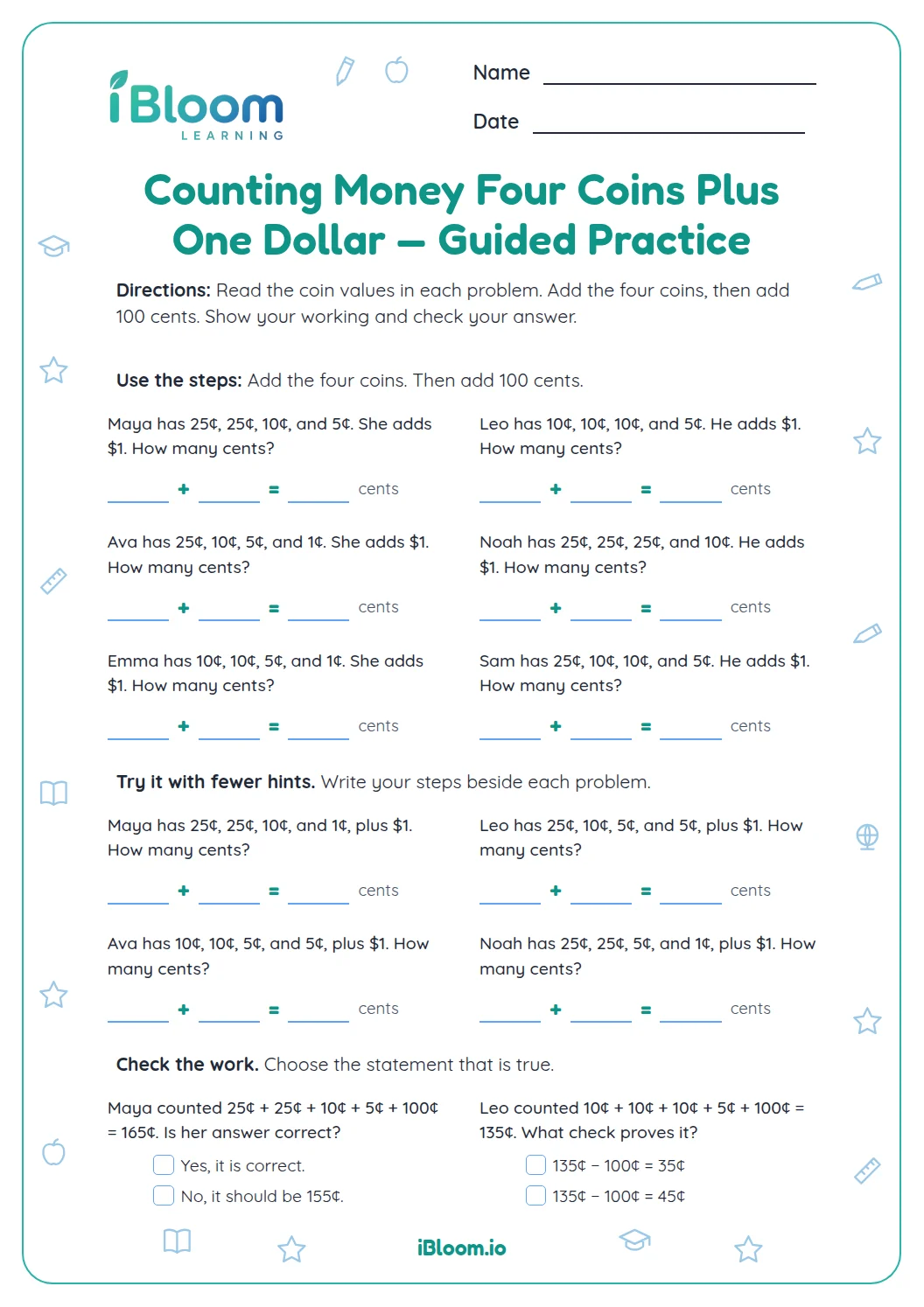
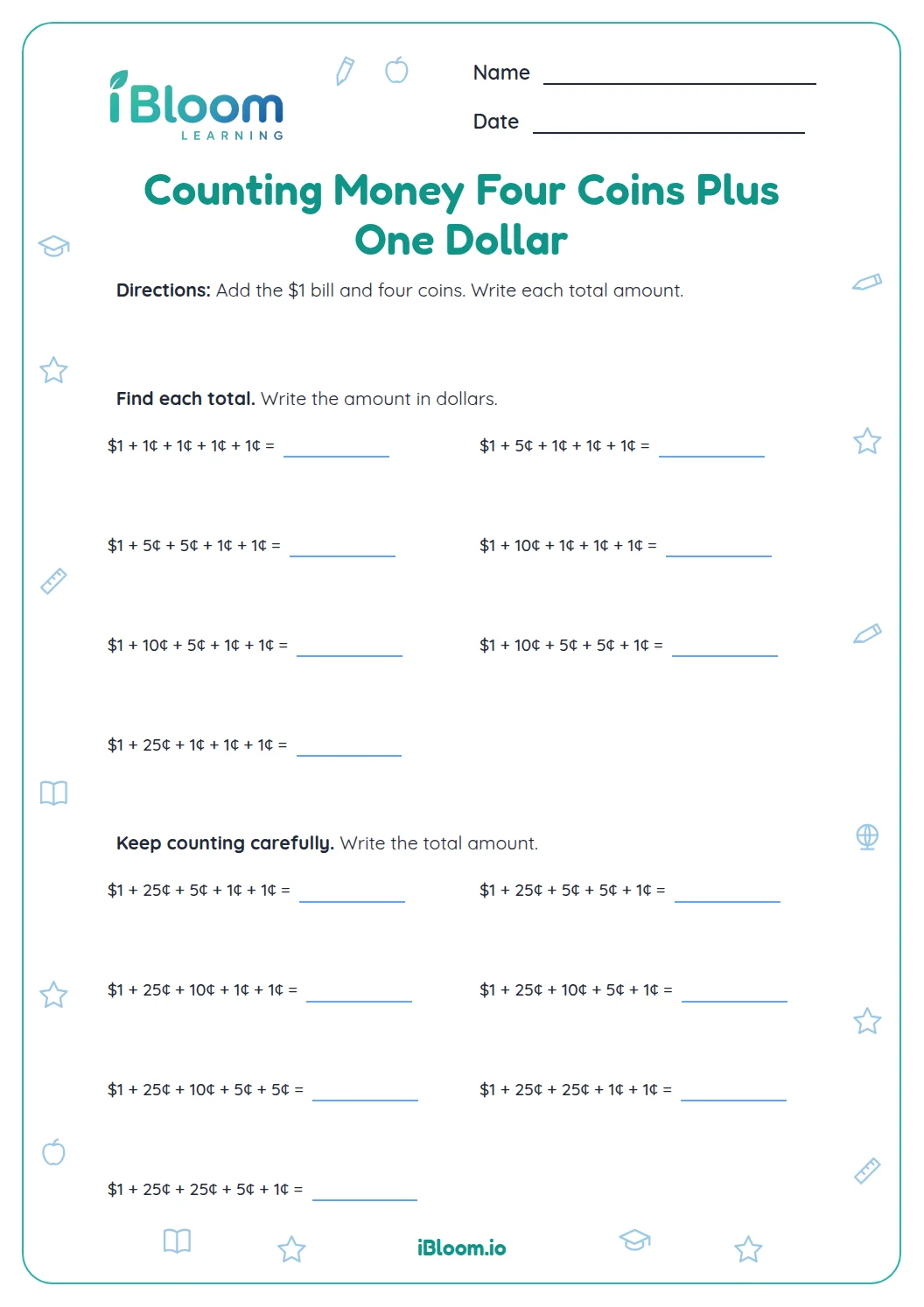
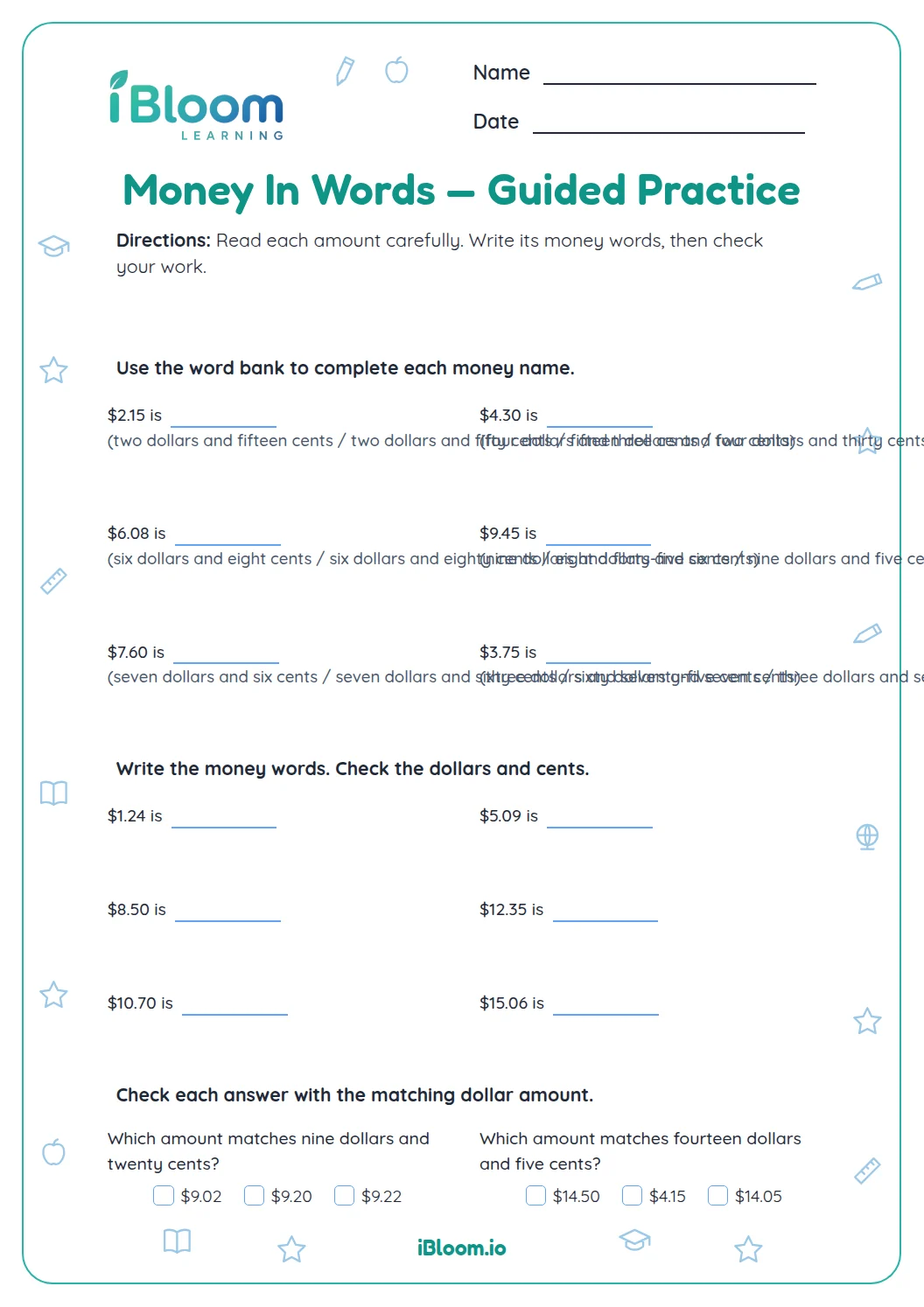
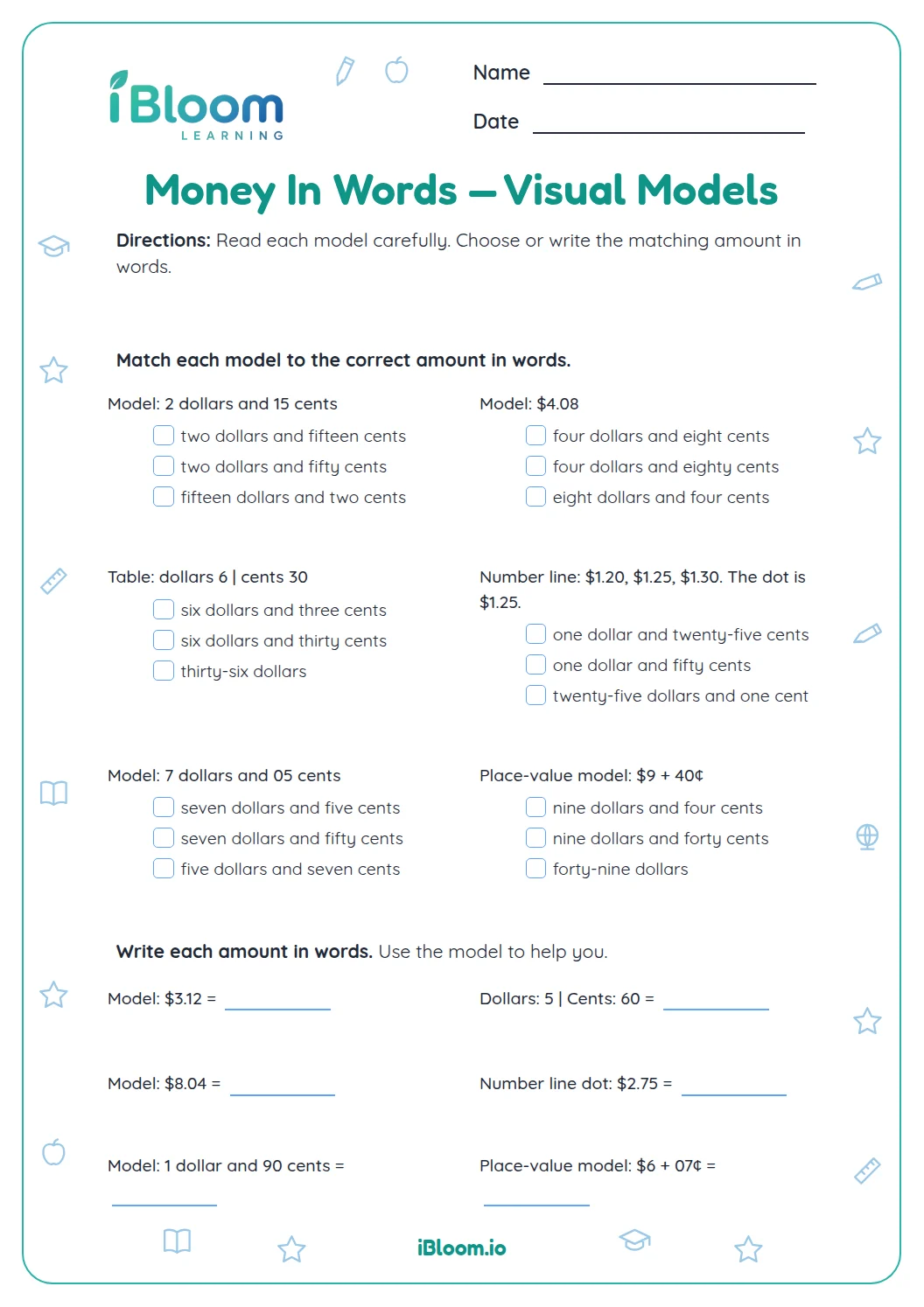
Count penny, nickel, dime and quarter groups and write their values in dollars and cents. This page includes 16 original questions in two parts, a printable worksheet and a separate answer key. It is written for US families and teachers practicing this skill.
Aligned to 2.MD.C.8
How do you count mixed coins?
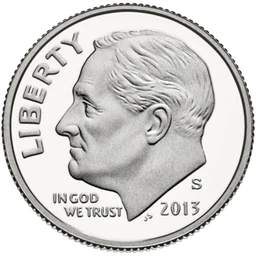
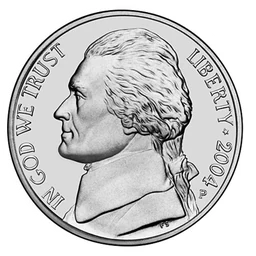
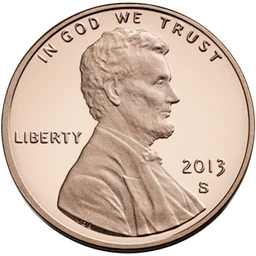
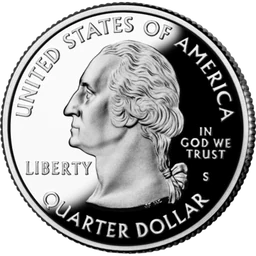
Each coin-counting question includes a drawing of the coins. Count the largest values first, then add smaller coins. Question 1 shows a dime, nickel and penny for a total of 16 cents.
How does coin value help in a story?
The last parts ask children to choose a coin group or solve short money situations. For question 14, subtract 35 cents from 50 cents to find the 15-cent difference.
How to use this worksheet
- 1Name each coin before counting its value.
- 2Count quarters or dimes first, then add nickels and pennies.
- 3Write money totals with a dollar sign and two digits after the decimal when appropriate.
- 4Check that each listed coin value was counted exactly once.
Common mistakes and quick fixes
The mistake
Treating the coin size as its value
The fix
Identify each coin by its name and face before counting.
The mistake
Skipping a small coin after counting larger coins
The fix
Point to each coin as you add its value.
The mistake
Writing a money total without the dollar sign
The fix
Use the dollar format shown in the answer key.
Common Core alignment
This worksheet practices the listed Common Core skill through its printed questions.
Solve money problems by finding the value of mixed coin groups.
On this sheet: Children identify coin values and find totals for penny, nickel, dime and quarter groups.
Show the official wordingHide the official wording
Solve word problems involving dollar bills, quarters, dimes, nickels, and pennies, using $ and ¢ symbols appropriately. Example: If you have 2 dimes and 3 pennies, how many cents do you have?
What to practice next
Make more practice
Further reading
Questions parents and teachers ask
What coins appear on the worksheet?
The coin drawings use pennies, nickels, dimes and quarters. Children count their values and write totals using dollars and cents. Have the child point to the wording that supports the answer, explain the choice aloud, and compare it with the completed example on the key.
How should my child count mixed coins?
Start with the coin worth the most, then count the next values. For question 1, a dime and nickel make 15 cents, then one penny makes 16 cents. Have the child point to the wording that supports the answer, explain the choice aloud, and compare it with the completed example on the key.
Are the coins printed on the page?
Yes. Each counting question has a drawing of its coin group, so children can identify and count the coins directly. Have the child point to the wording that supports the answer, explain the choice aloud, and compare it with the completed example on the key.
What does the answer key show?
It gives the total for each drawn coin group and the results for the coin-choice and money-story questions. Have the child point to the wording that supports the answer, explain the choice aloud, and compare it with the completed example on the key.
Can the same amount be made with different coins?
Yes. Several coin combinations can have the same value. The choice questions ask which listed group matches a particular total. Have the child point to the wording that supports the answer, explain the choice aloud, and compare it with the completed example on the key.