



About this worksheet
Students work with pennies, nickels, dimes, and quarters in several formats: pictured coin groups, true-or-false checks, written totals, and missing amounts. All totals are expressed in cents, and the final problems use coin values within Grade 2 counting-money practice.
Aligned to 2.MD.C.8
How do coin pictures support counting?
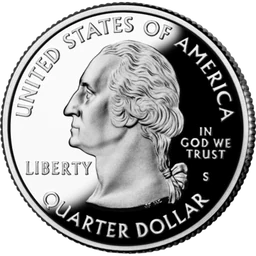
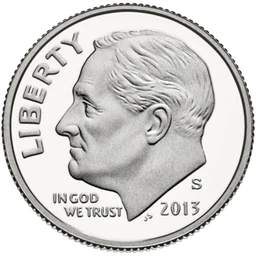
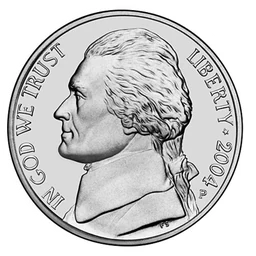
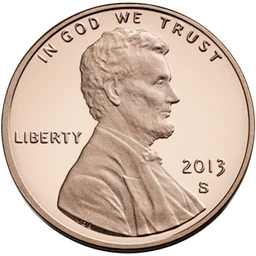
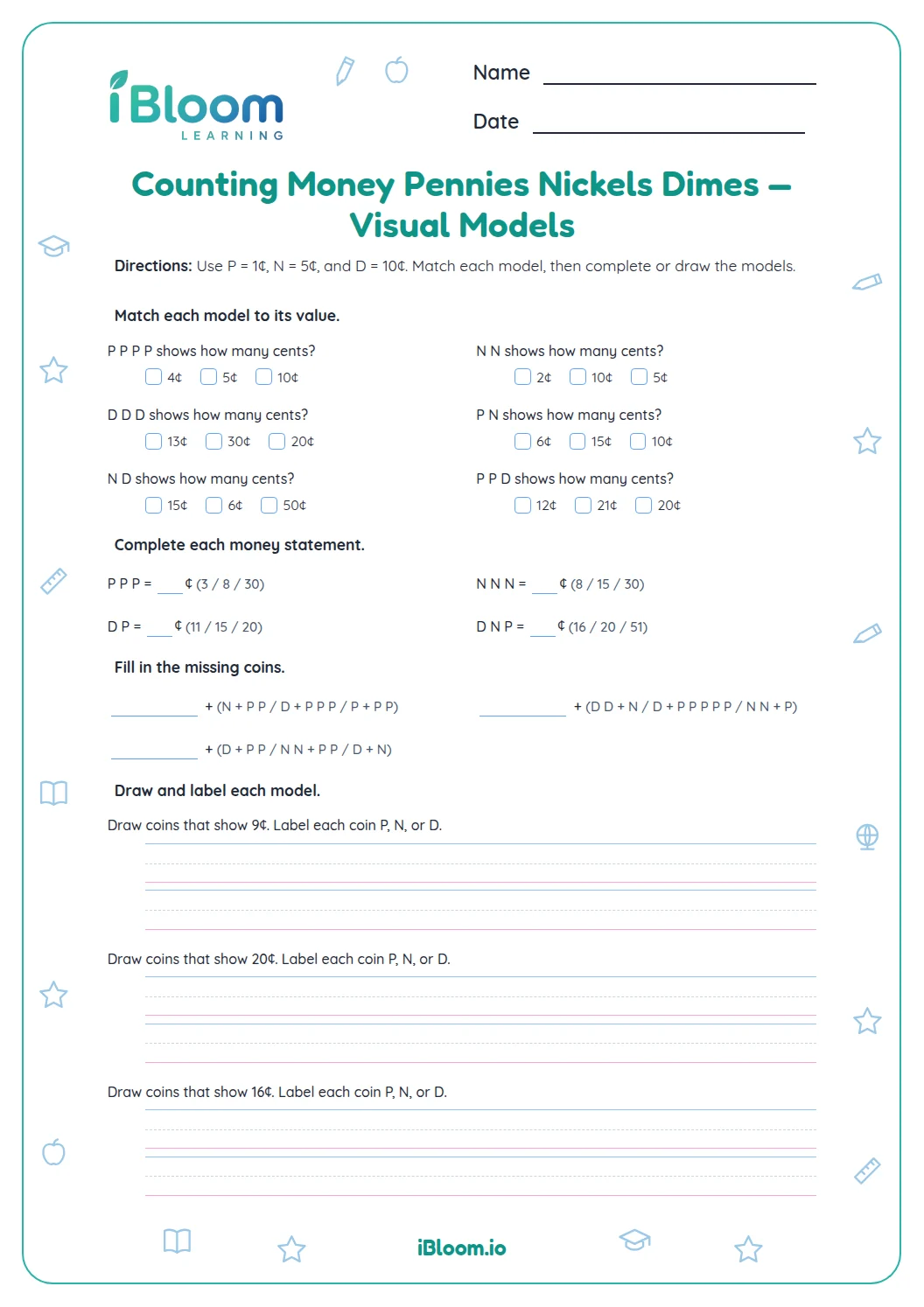
The first four questions show real coin groups. Add each coin’s value, not just the number of coins: a quarter is 25 cents, a dime is 10, a nickel is 5, and a penny is 1.
How can a student check a claim?
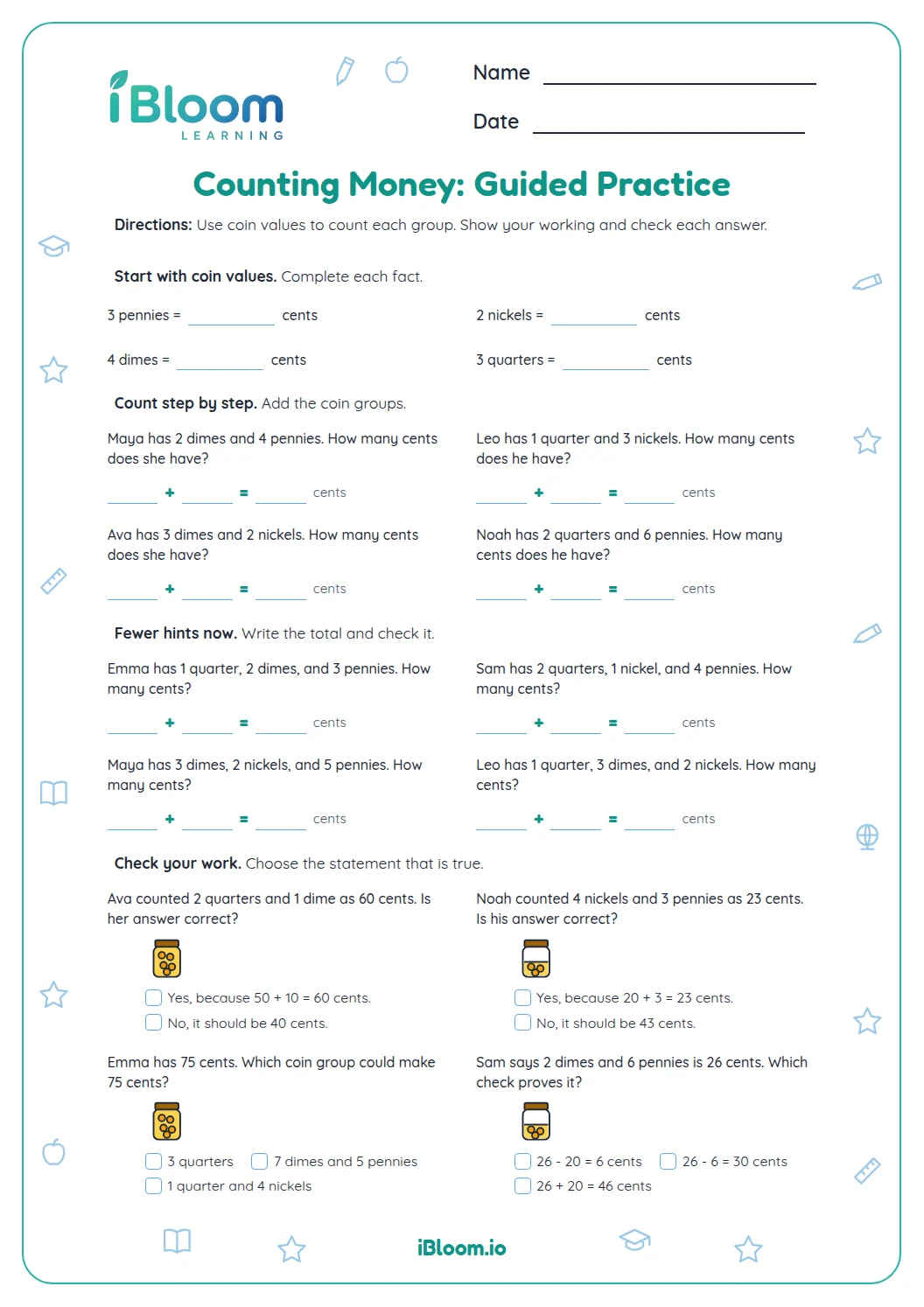
Find the actual sum before choosing yes or no. For example, three quarters, one dime, and two nickels total 95 cents, so a claim of 60 cents is incorrect.
How do the missing-amount problems work?
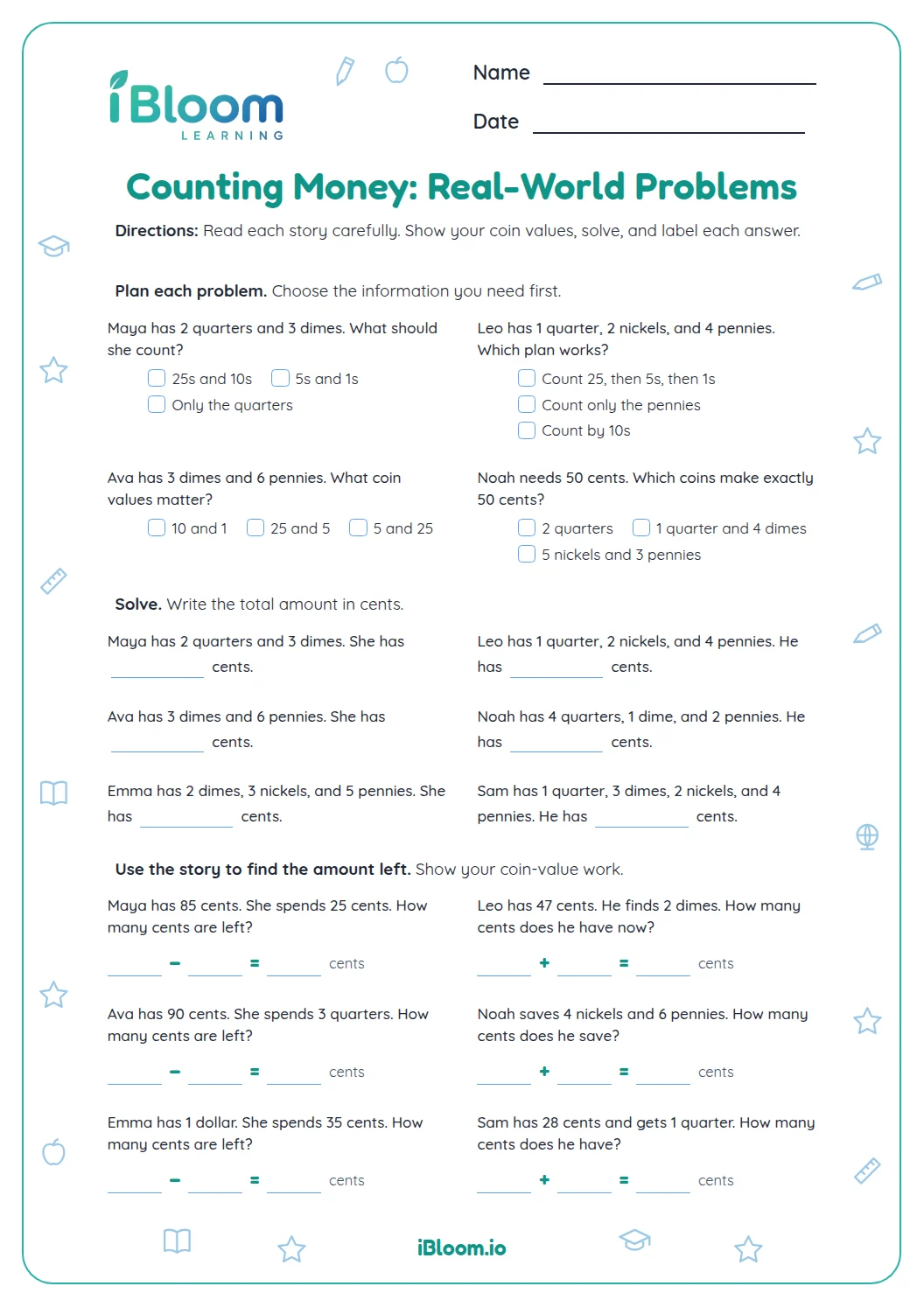
Add the known coin values, then compare that sum with the target. For 3 quarters and missing pennies totaling 78 cents, 75 cents is already accounted for, so 3 pennies are needed.
How to use this worksheet
- 1Recall the value of each coin before adding.
- 2For pictured sets, count quarters, then dimes, nickels, and pennies.
- 3Check claims by finding the actual total first.
- 4Use subtraction to find missing pennies when the other coin values are known.
Common mistakes and quick fixes
The mistake
Counting a nickel as one cent because it is one coin.
The fix
Use the coin’s value: a nickel is worth five cents.
The mistake
Writing the number of coins instead of their value.
The fix
Add the cents represented by every coin in the group.
The mistake
Treating the number of coins as their total value.
The fix
Write each coin value and add the cents before choosing or filling an answer.
Curriculum alignment
Grade 2 measurement and data standards include solving word problems involving dollar bills, quarters, dimes, nickels, and pennies using $ and ¢ symbols. This page focuses on mixed coins and totals in cents.
Solve word problems involving dollar bills and coins.
On this sheet: Students count mixed coins, check totals, and find unknown amounts in cents.
Show the official wordingHide the official wording
Solve word problems involving dollar bills, quarters, dimes, nickels, and pennies, using $ and ¢ symbols appropriately.
What to practice next
Further reading
Questions parents and teachers ask
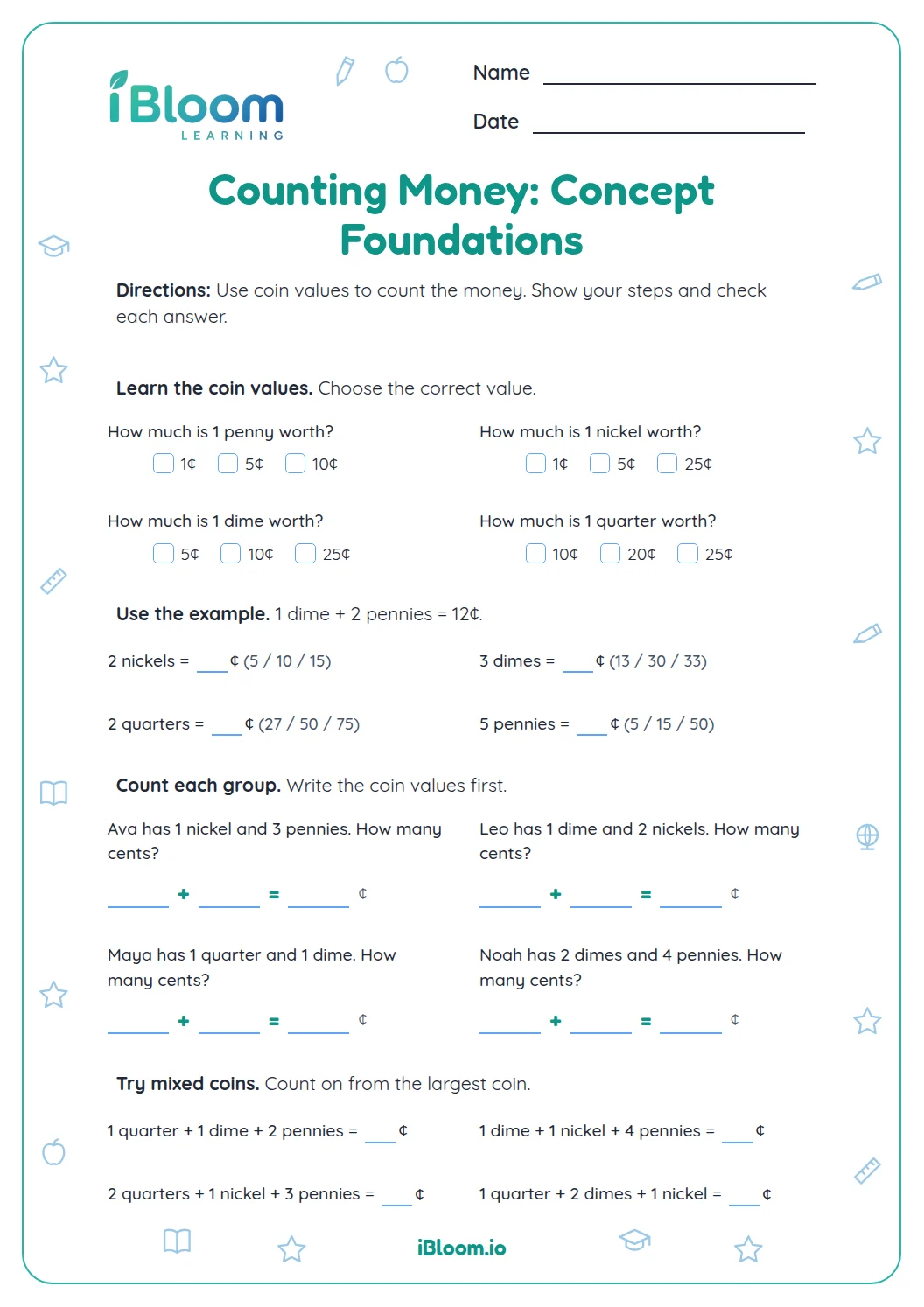
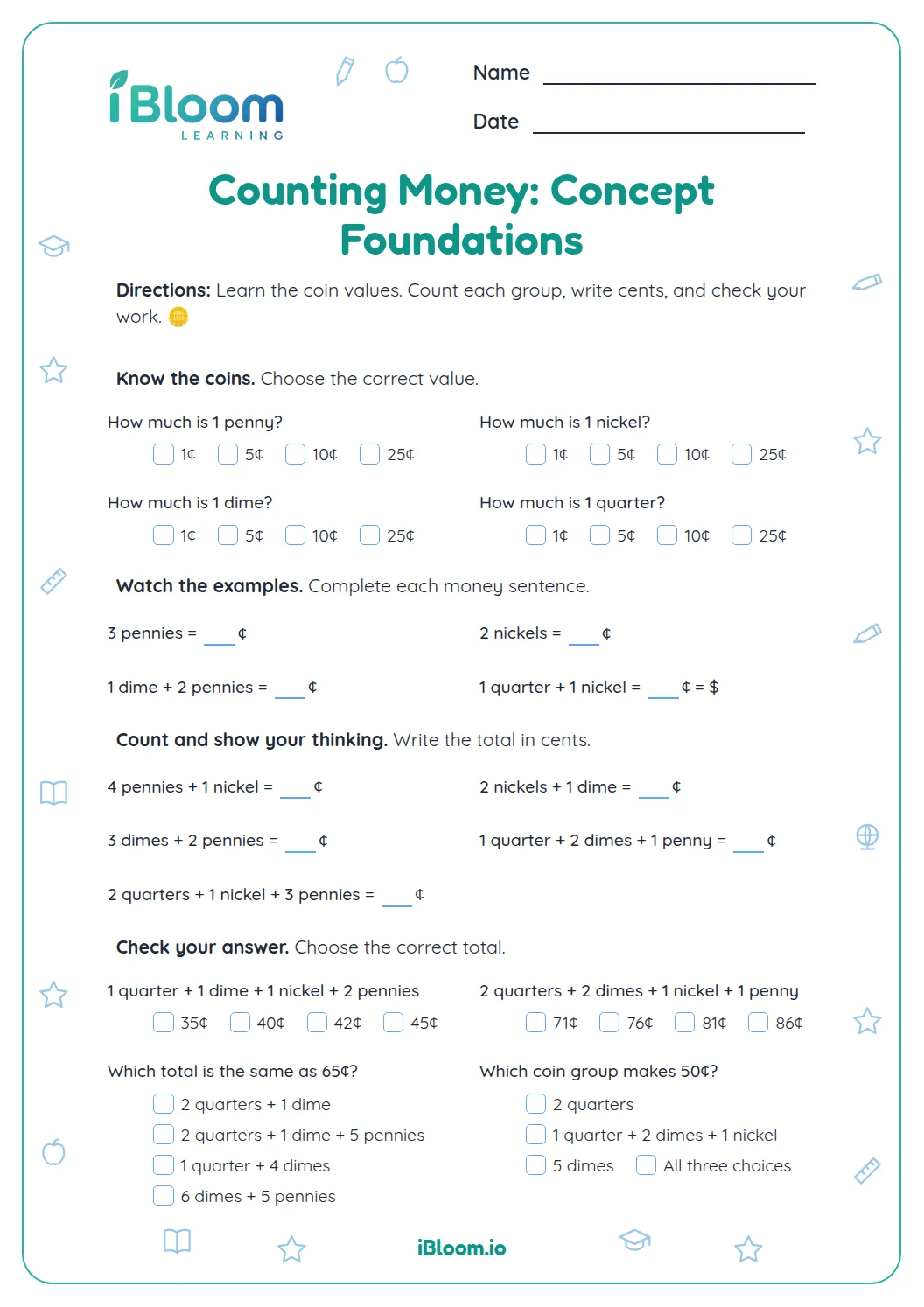
What are the values of the four coins?
A penny is worth 1 cent, a nickel is worth 5 cents, a dime is worth 10 cents, and a quarter is worth 25 cents. Students use these values to count pictured groups, evaluate totals, and find missing amounts in the later problems.
How should a child check a total claim?
First add the value of every coin named in the problem. Then compare the sum with the amount someone claims. This prevents confusing the number of coins with their value and gives students a clear way to decide whether the claim is correct.
Do all the questions have coin pictures?
The first four questions show coin groups for visual counting practice. Later items describe the number of each coin in words, so students apply coin values without pictures. All answers are written in cents to keep the focus on counting money.
What if pennies are missing from a total?
Add the value of the quarters, dimes, and nickels first. Subtract that amount from the stated total to find how many cents remain. Since each penny is worth one cent, the remaining number of cents is the number of pennies needed.
Are coin pictures included?
Yes. The first four questions show coin drawings for students to count. The later questions describe the coins in words and ask students to check claims, find totals, or solve for a missing number of pennies. The answer key gives the value or decision for each item.