




About this worksheet
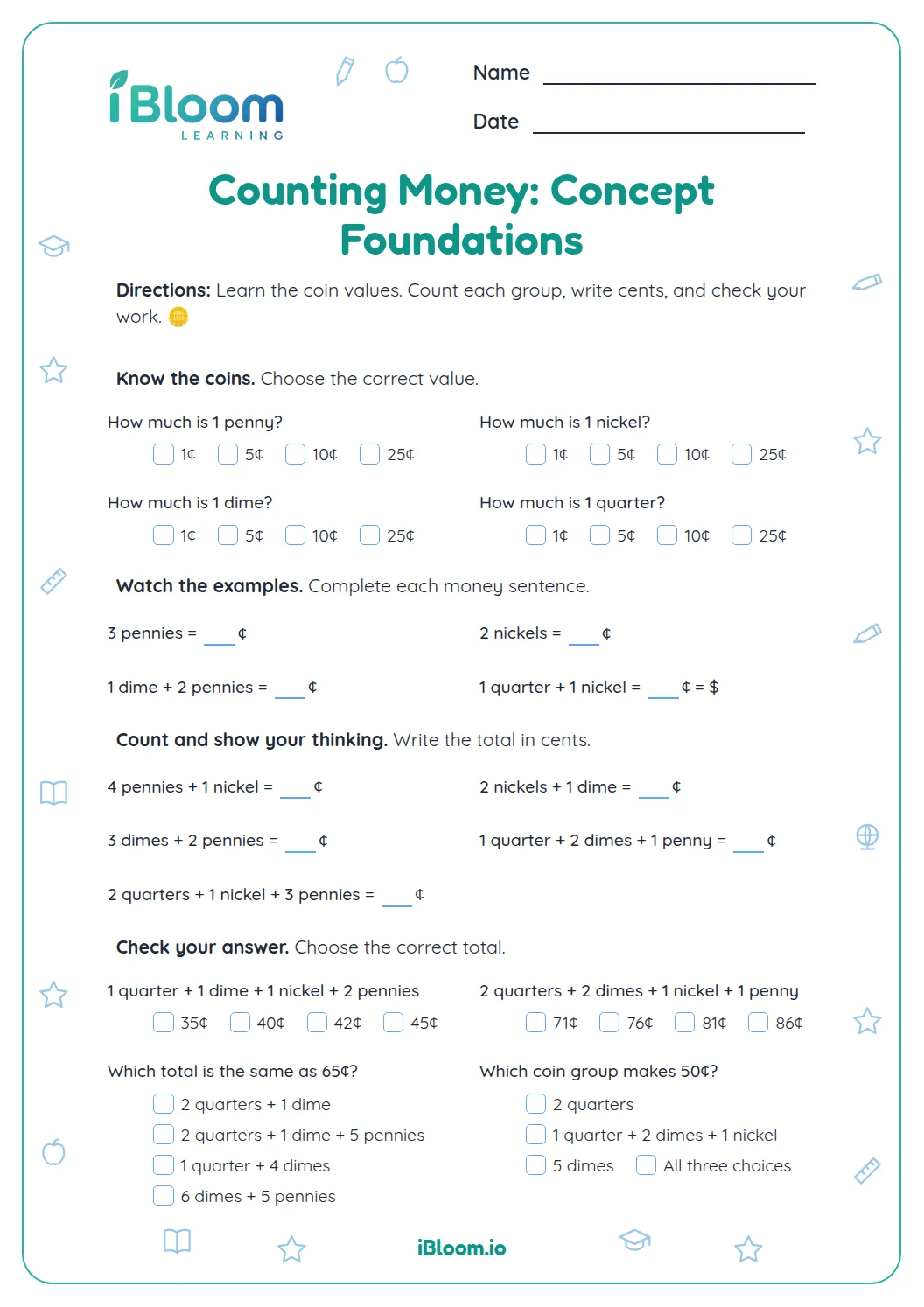
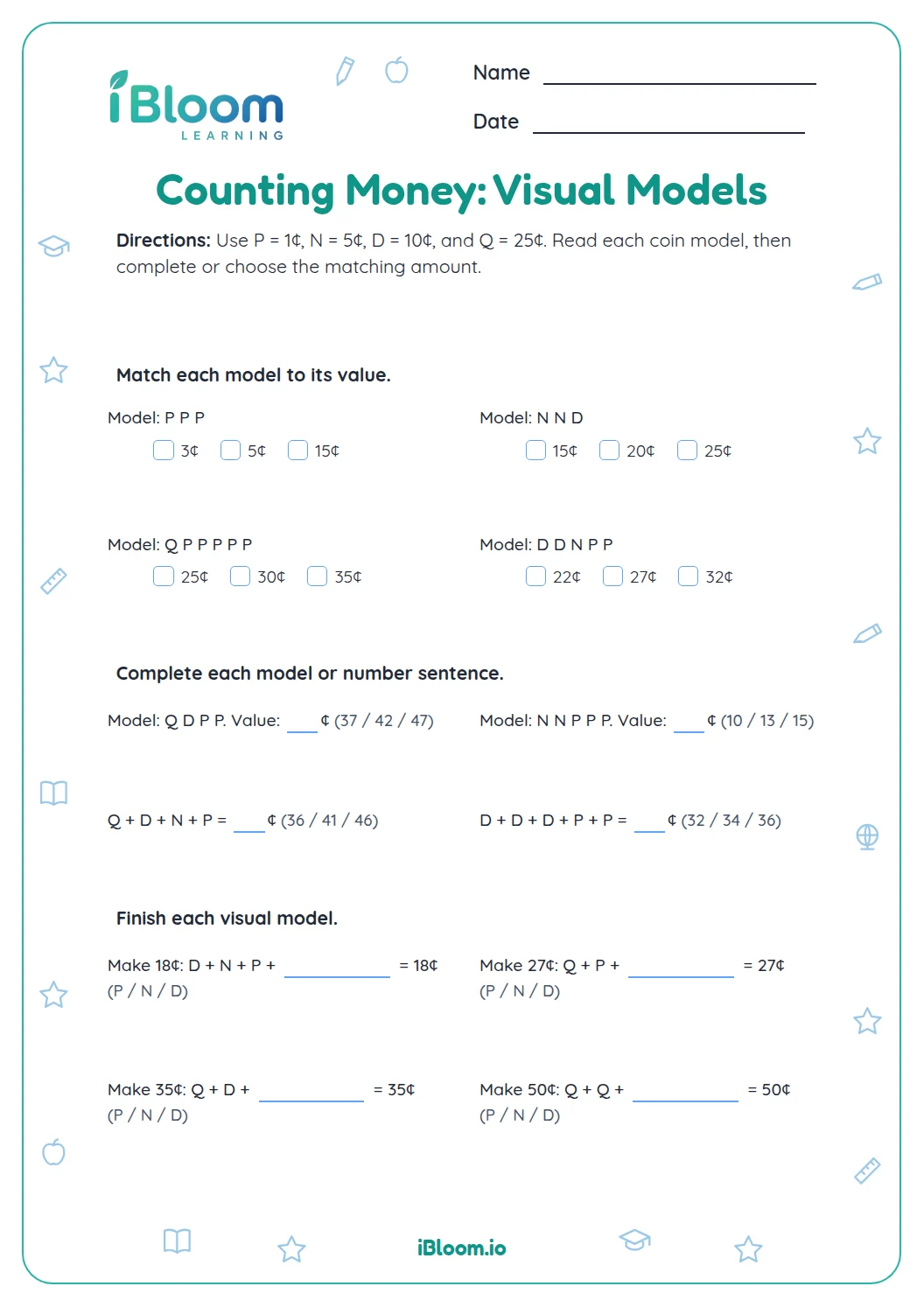
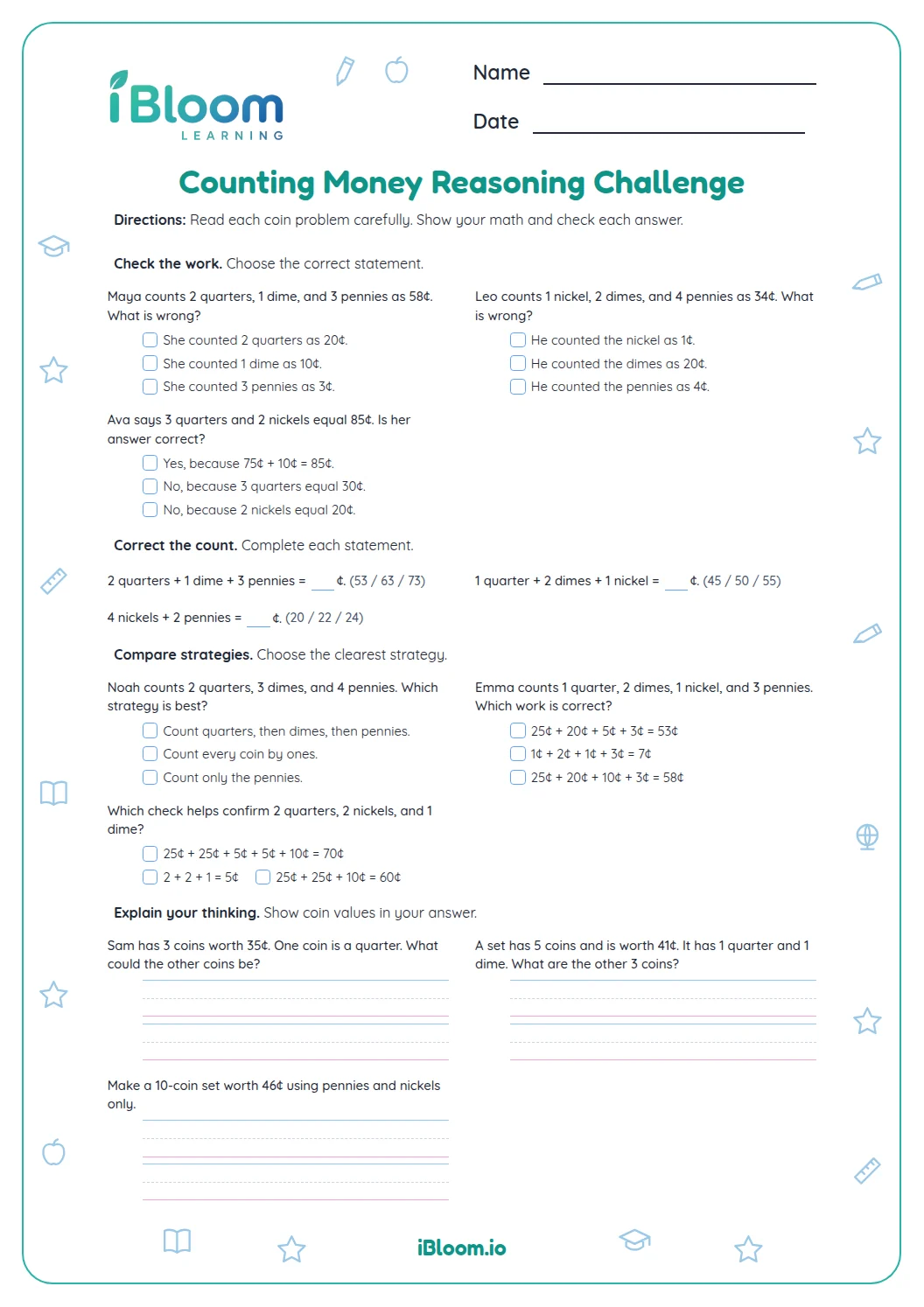
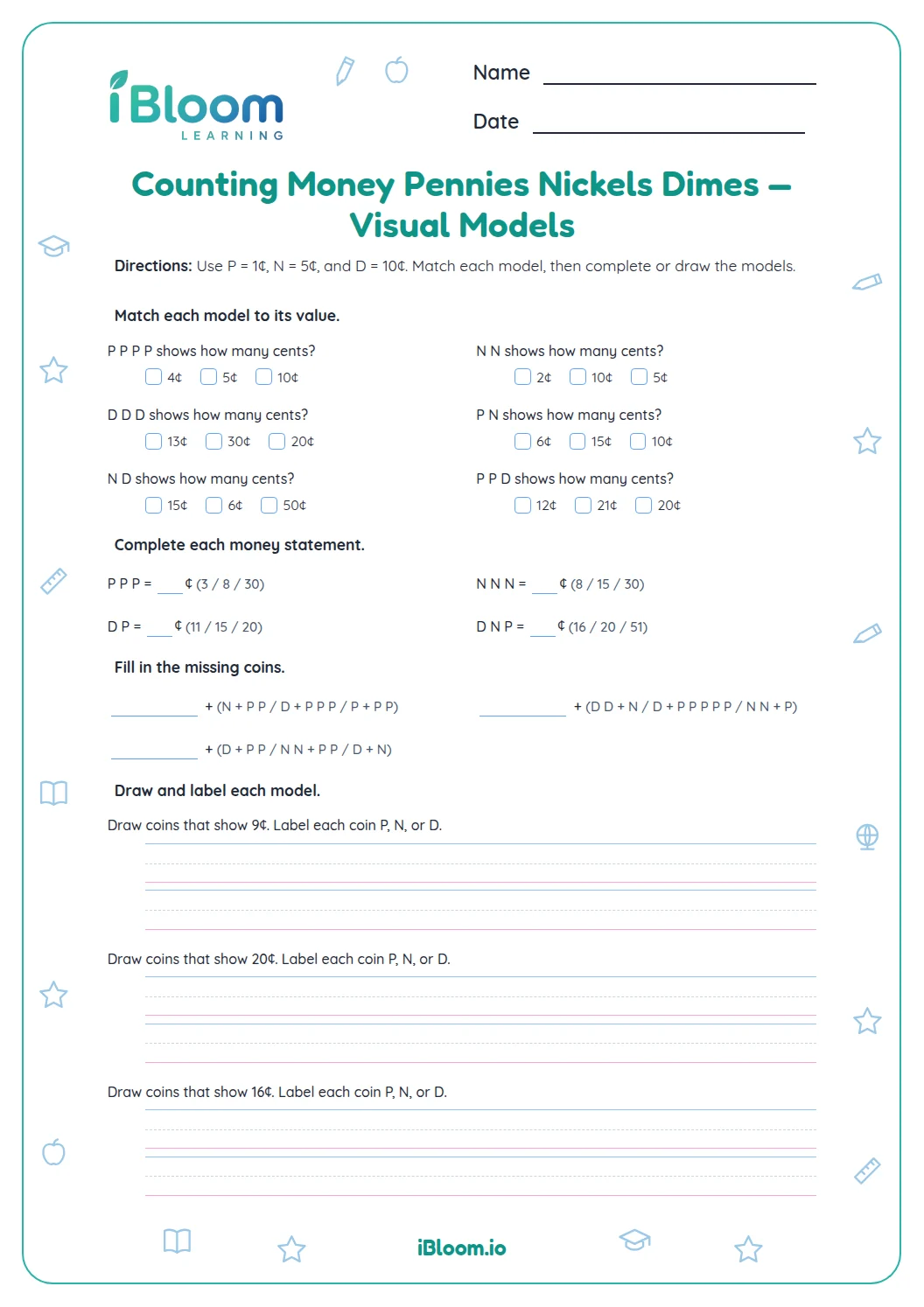
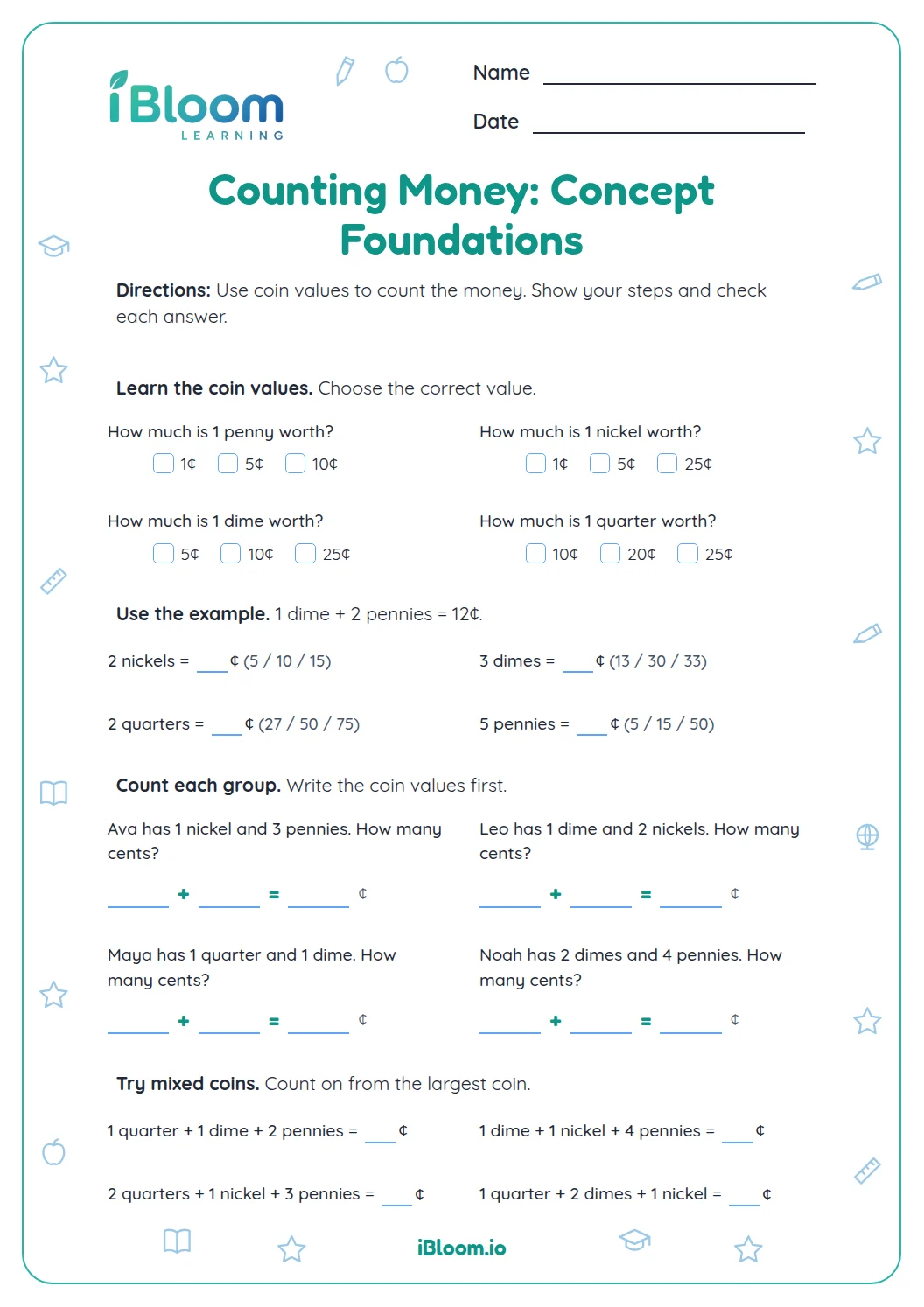
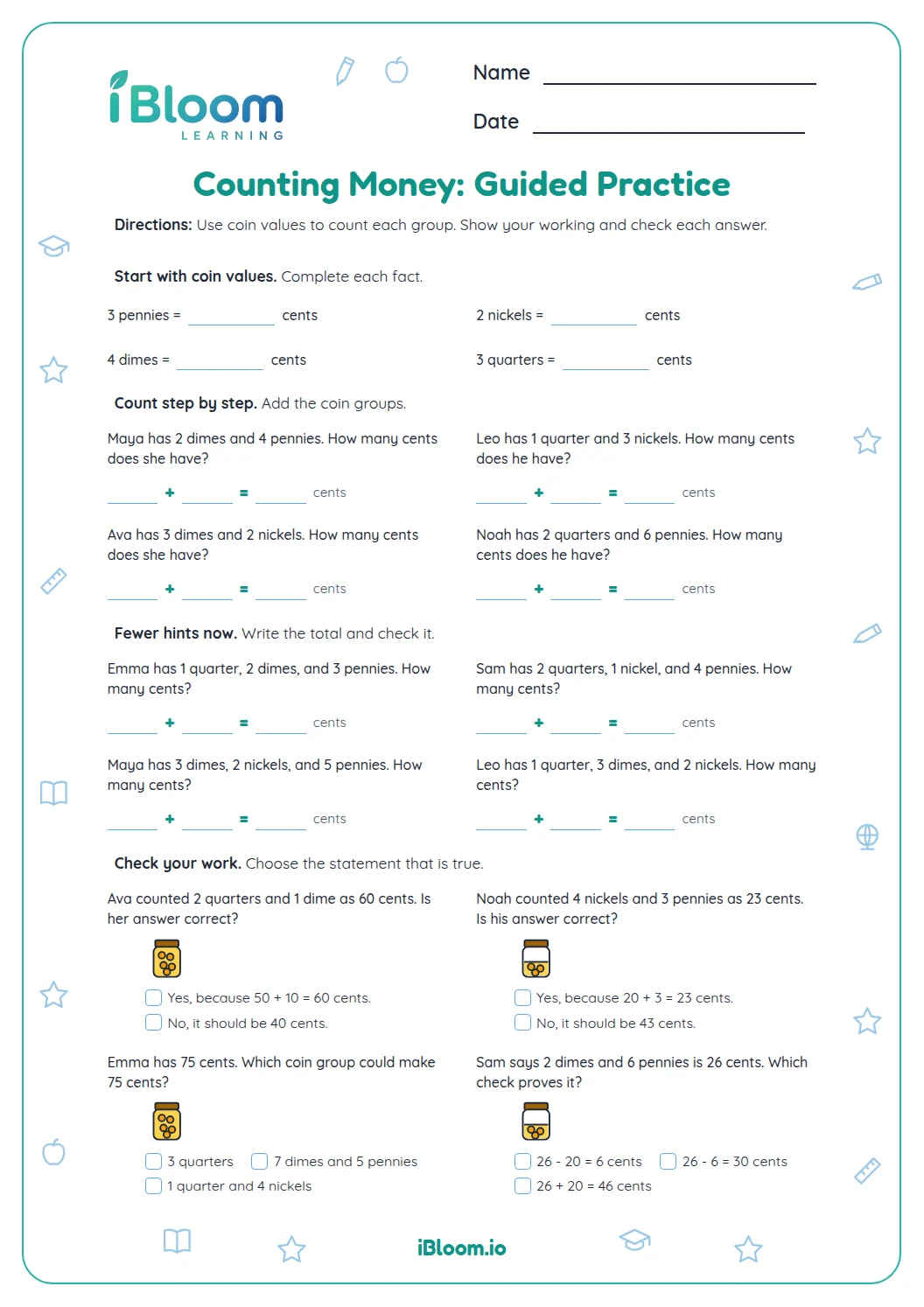
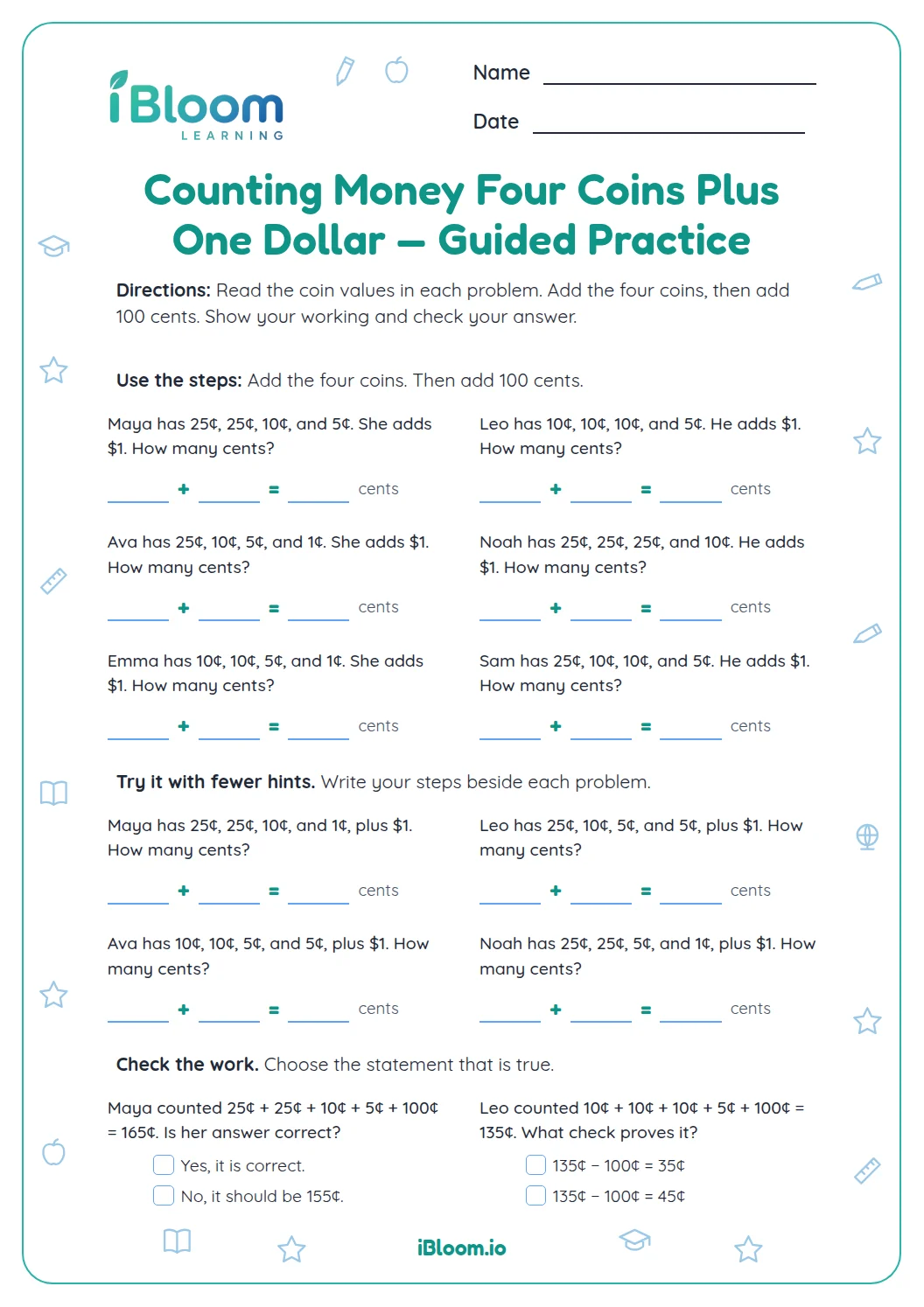
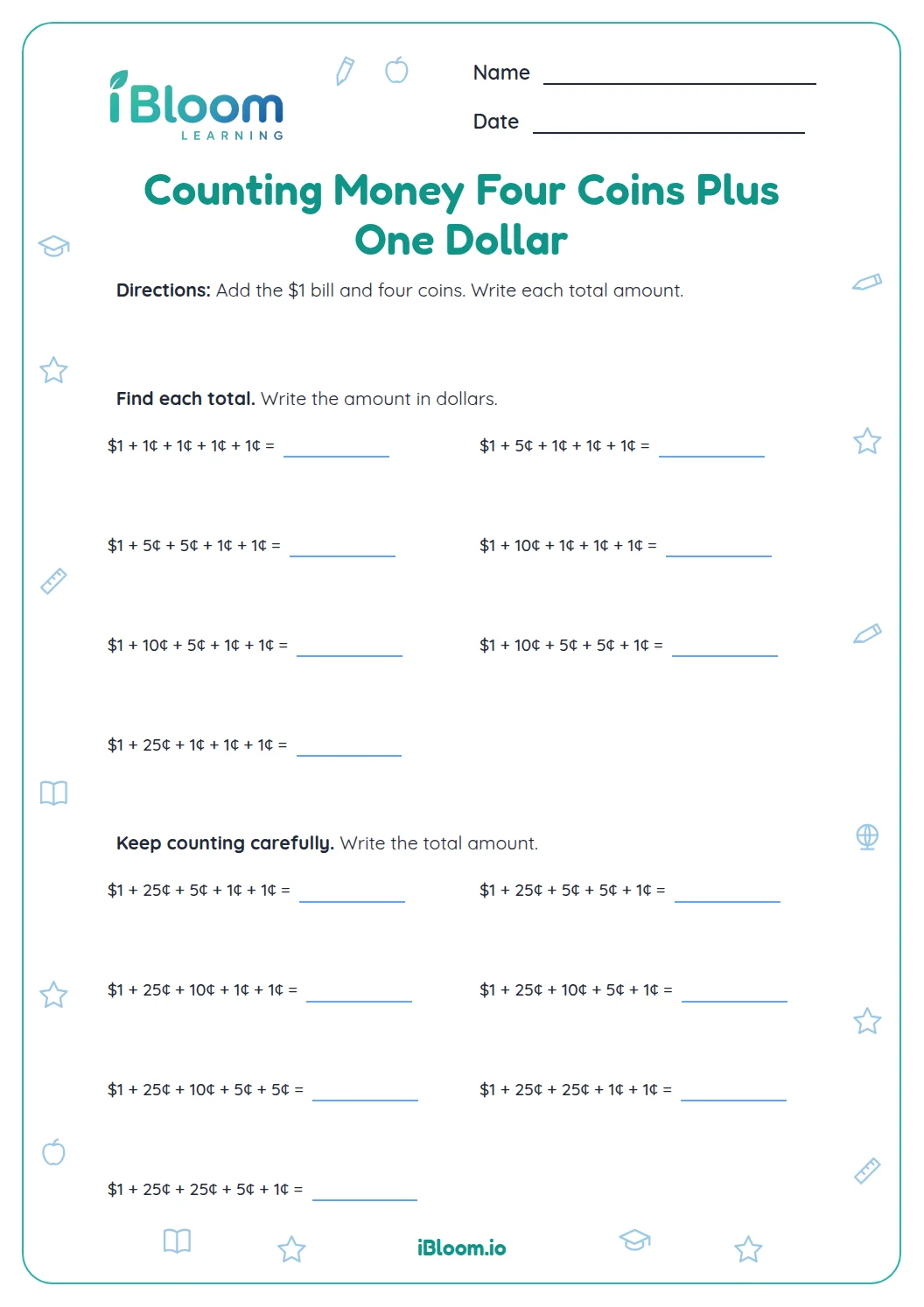
This free Grade 2 money worksheet builds from coin values to mixed sets and short purchase problems. Children count pictured coins, find how many cents a set is worth, and use coin values to solve simple stories. Fifteen questions include groups of up to ten coins and amounts left after a purchase. It practices CCSS 2.MD.C.8 by using coin names and the cent symbol in money problems. A separate answer key is included.
Aligned to 2.MD.C.8
How much is each coin worth?
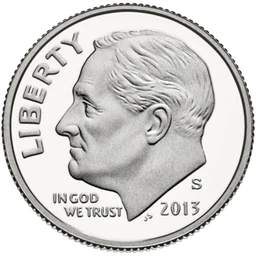
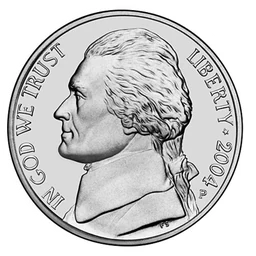
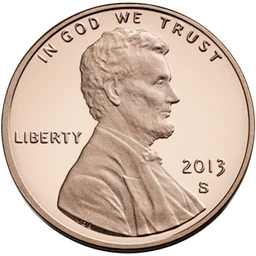
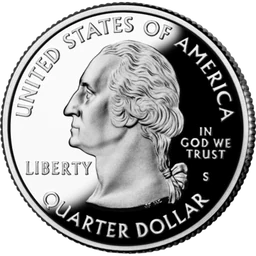
A penny is 1¢, a nickel is 5¢, a dime is 10¢, and a quarter is 25¢. Count like coins by skip-counting: four dimes make 40¢.
- 14 dimes
- 210¢ + 10¢ + 10¢ + 10¢
- 3Total: 40¢
How do you count a mixed set?
Add the value of each coin once. Question 7 shows a quarter, dime, nickel, and penny: 25¢ + 10¢ + 5¢ + 1¢ = 41¢.
- 125¢ + 10¢ + 5¢ + 1¢
- 2Total: 41¢
How can coin totals solve a purchase problem?
Find how much money is available, then compare it with the price. In question 14, 25¢ + 5¢ = 30¢; after paying 28¢, 2¢ remains.
- 125¢ + 5¢ = 30¢
- 230¢ − 28¢ = 2¢
How to use this worksheet
- 1Say each coin value aloud before counting.
- 2For same-coin groups, skip-count by 1, 5, 10, or 25.
- 3For mixed coins, add quarters first, then dimes, nickels, and pennies.
- 4In a purchase story, find the total paid before comparing it with the cost.
- 5Use the key to check the cents and correct any missed coin value.
Common mistakes and quick fixes
The mistake
Calling a nickel 10¢ because it is bigger than a penny.
The fix
Remember the values: penny 1¢, nickel 5¢, dime 10¢, quarter 25¢.
The mistake
Adding coin counts instead of coin values.
The fix
Write each value under the coin: 25¢ + 10¢ + 5¢ + 1¢.
The mistake
Subtracting price from one coin instead of the whole set.
The fix
Add all the coins first, then subtract the cost.
Common Core alignment
This worksheet uses coin values and cents in money problems.
Solve money stories using dollars and cents.
On this sheet: Children identify coin values and find totals or amounts left.
Show the official wordingHide the official wording
Solve word problems involving dollar bills, quarters, dimes, nickels, and pennies, using $ and ¢ symbols appropriately.
What to practice next
Make more practice
Further reading
Questions parents and teachers ask
What coin values should children know?
A penny is 1¢, a nickel is 5¢, a dime is 10¢, and a quarter is 25¢. The first questions review these values in groups. Later questions combine different coins and use their totals to solve short buying stories. Children can say the values aloud as they work.
Does this worksheet include mixed coin pictures?
Yes. Questions 5 and 7 show mixed sets of pennies, nickels, dimes, and quarters. Children add each coin value to find the total in cents, then check the result with the separate answer key. Point to each coin once to avoid counting it twice.
How can a child check a money answer?
List each coin value and add them. For a purchase problem, compare the total with the price. If 30¢ is available and an item costs 28¢, subtract to find that 2¢ remains. The answer key shows the totals for checking.
Is an answer key included?
Yes. A separate answer key gives the coin values, totals, and answers to the purchase problems. Ask your child to explain one mixed set aloud to show how each coin contributes to the total, then compare that explanation with the key.
Does this page include groups of ten coins?
Yes. Question 9 asks children to find the value of ten pennies. Other questions use smaller same-coin groups, mixed coin drawings, and two short purchase situations. The answer key lists each total in cents so a child can check the coin values and arithmetic.