Free printable practice
Reversible Changes Practice Activities
Grade 2 science worksheets for identifying, sorting, and explaining reversible changes in everyday materials.
Free printable worksheet PDFs
Preview every available page, then download the free worksheet PDF for home, homeschool, tutoring, or classroom practice.
Preview the exact activity before downloading it.
 Reversible Changes — Sort and ClassifyGrade 2 science worksheets for identifying, sorting, and explaining reversible changes in everyday materials. This sort and classify worksheet provides a distinct, age-appropriate way to practise the same lesson.Grade 2Free PDF preview
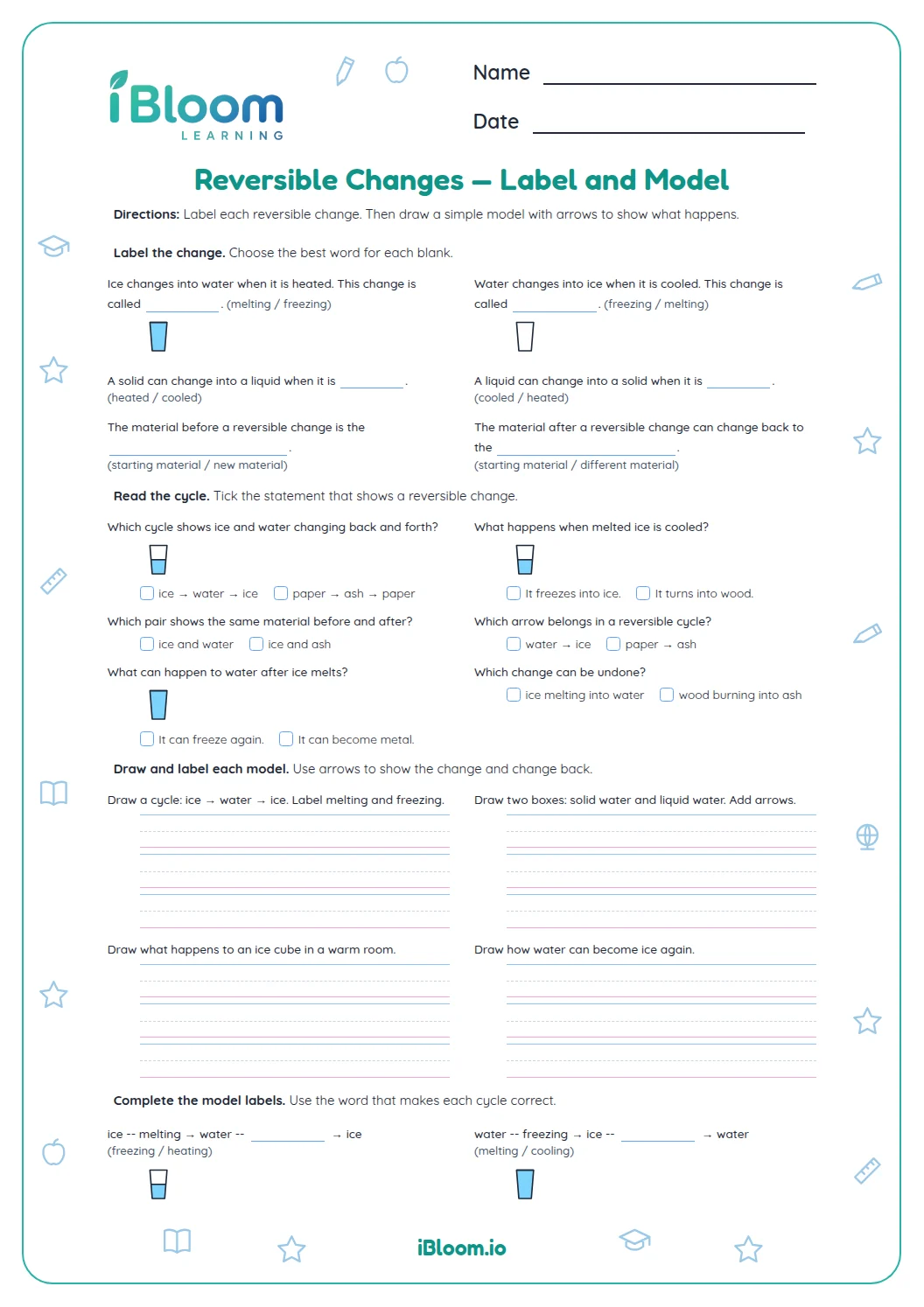 Reversible Changes — Label and ModelGrade 2 science worksheets for identifying, sorting, and explaining reversible changes in everyday materials. This label and model worksheet provides a distinct, age-appropriate way to practise the same lesson.Grade 2Free PDF preview
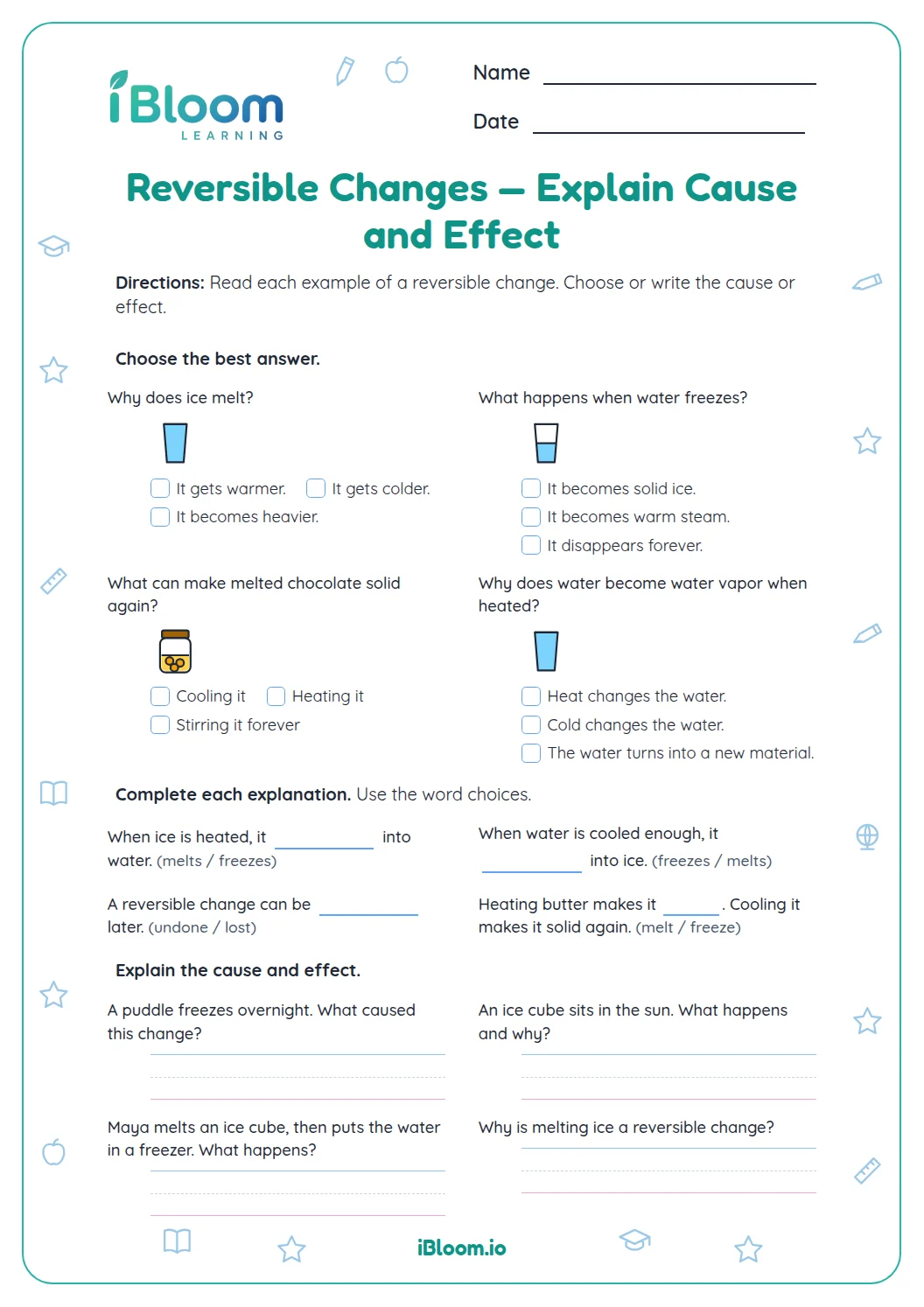 Reversible Changes — Explain Cause and EffectGrade 2 science worksheets for identifying, sorting, and explaining reversible changes in everyday materials. This explain cause and effect worksheet provides a distinct, age-appropriate way to practise the same lesson.Grade 2Free PDF preview4 pages
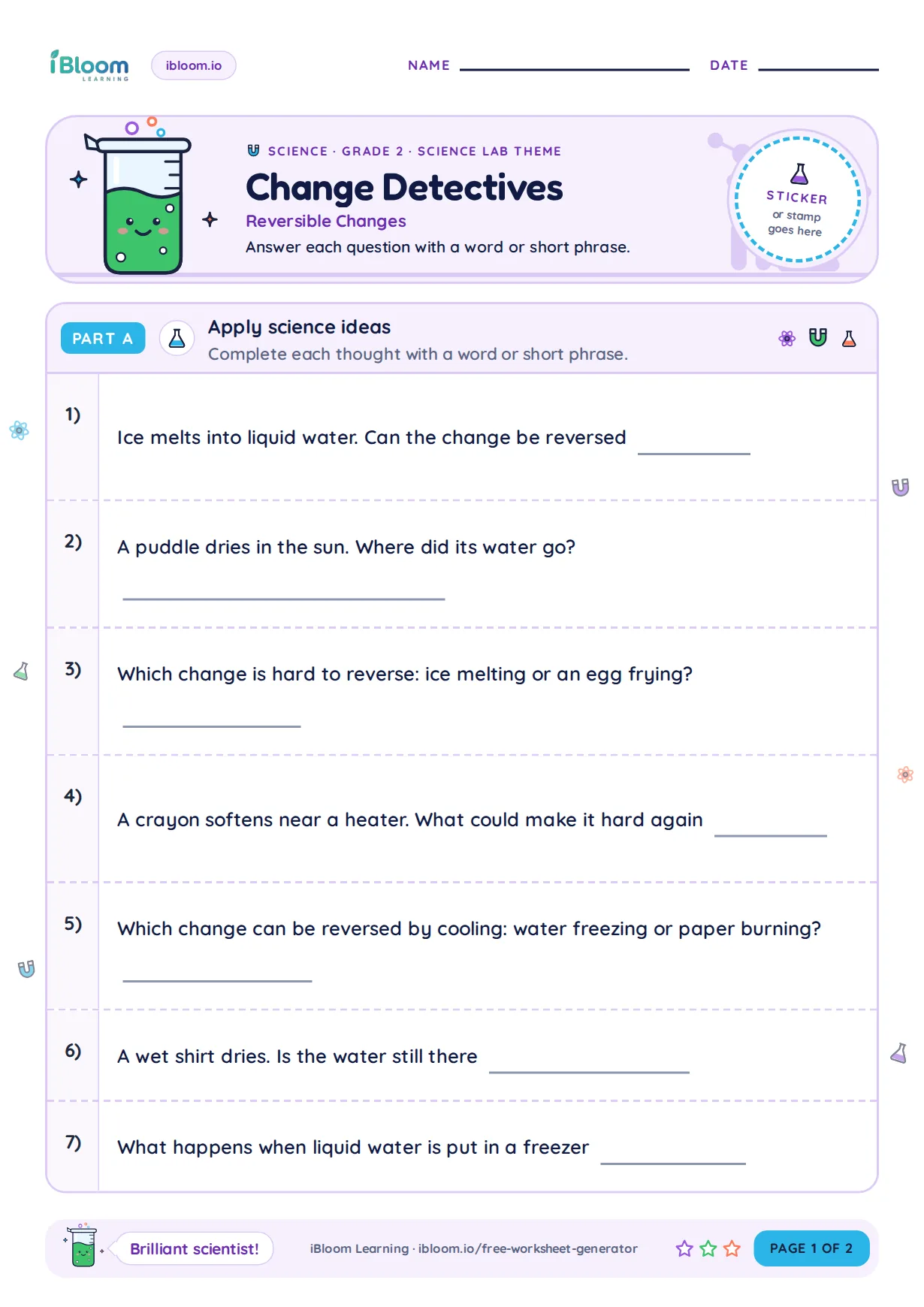 Reversible Changes — Apply Science IdeasGrade 2 science worksheets for identifying, sorting, and explaining reversible changes in everyday materials. This apply science ideas worksheet provides a distinct, age-appropriate way to practise the same lesson.Grade 2Free PDF preview6 pages
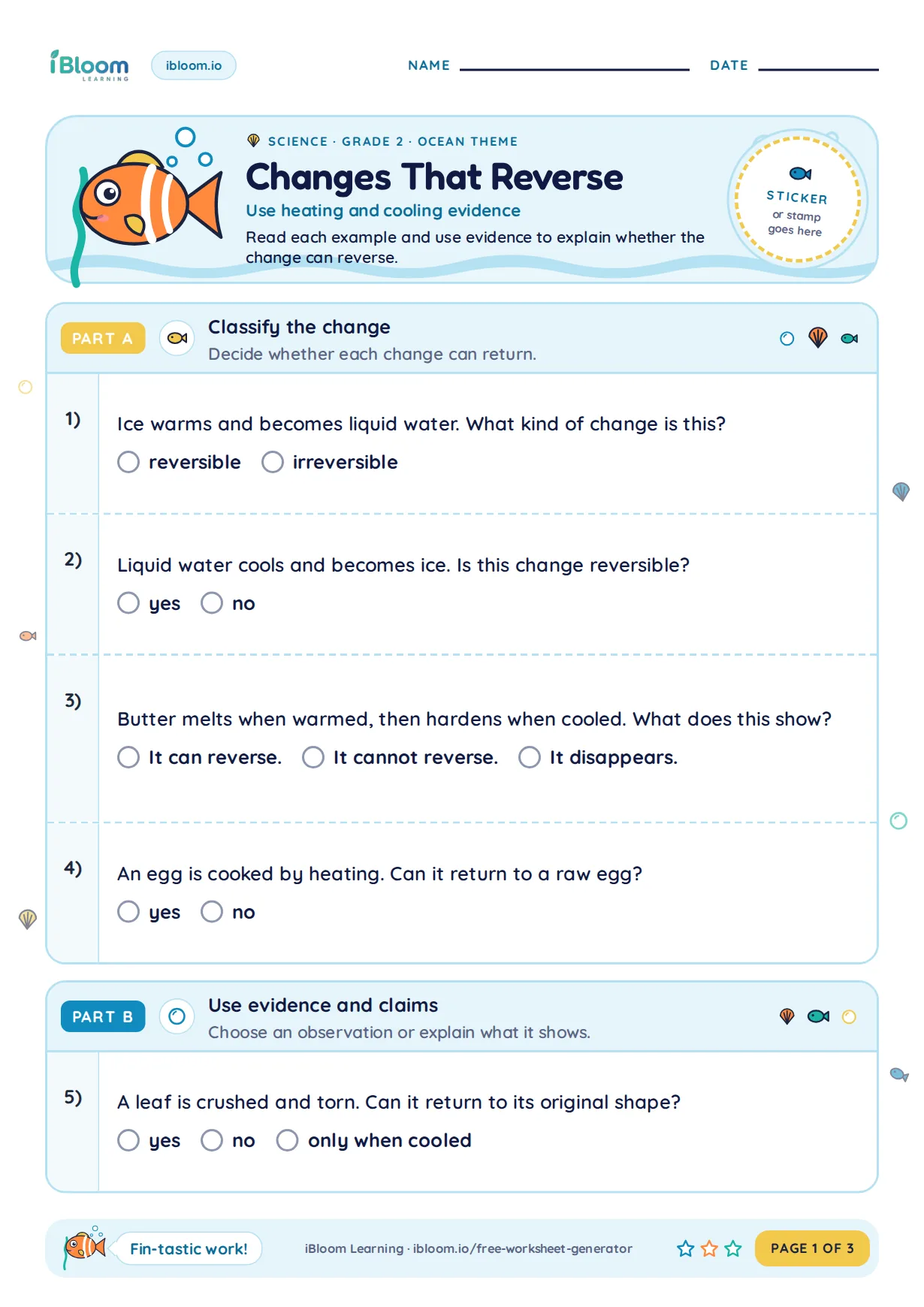 Reversible Changes — Science Reasoning ReviewGrade 2 science worksheets for identifying, sorting, and explaining reversible changes in everyday materials. This science reasoning review worksheet provides a distinct, age-appropriate way to practise the same lesson.Grade 2Free PDF preview
Practice that builds confidence
Understanding reversible changes
These Grade 2 science worksheets help children explore reversible changes in materials, which are changes that can be undone so the material is still the same substance. Students observe everyday examples such as ice melting and freezing again, folded paper being unfolded, and objects changing shape when stretched or compressed.
The printable activities ask learners to sort, label, match, explain, and draw reversible changes. They build careful vocabulary around materials, properties, heating, cooling, shape change, and returning something to its earlier form.
A reversible change is a change that can go back to an earlier form. In Grade 2, children do not need advanced chemistry; they need clear observation. Water can freeze into ice and melt back into water. A rubber band can stretch and return to its shape. Paper can be folded and unfolded, though a crease may remain.
How the practice builds
The worksheets move from recognizing simple examples to explaining why a change is reversible. Children may compare pictures, circle the change that can be undone, complete sentences, or draw what happens before and after. This progression helps them connect science words with real material properties such as shape, size, temperature, and state.
A simple parent routine
At home, choose one safe object, such as an ice cube, a piece of paper, or a sponge. Ask: What changed? What stayed the same? Can we get it back? Then have your child describe the change in one sentence before completing a worksheet item. This short talk makes the printed practice feel connected to real observations.
Classroom uses for teachers
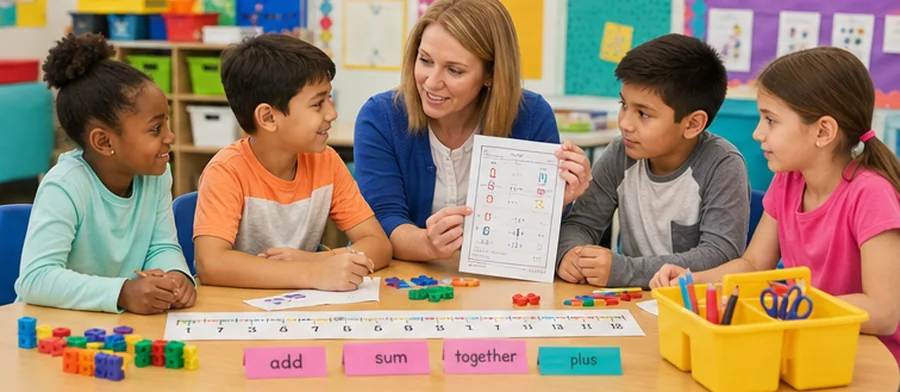
Teachers can use these pages after a hands-on materials lesson, in science centers, or as a quick check for understanding. Pairing students to discuss each answer is especially useful because reversible changes are often easier to explain aloud before writing. The pages also work well for sorting activities after demonstrations with heating, cooling, bending, folding, or stretching.
Common errors to watch for
Children may think every change that looks different is permanent, or they may call a change reversible only if it returns perfectly. They also sometimes confuse mixing, cutting, burning, or cooking with simple shape and temperature changes. Encourage them to focus on whether the material can return to its earlier form without becoming a new material.
Free printable PDF download
Use this grade 2 reversible changes worksheet page to preview the activity, print it, or download it as a PDF for quick practice. It works well for homework, homeschool lessons, tutoring, morning work, revision, and classroom centers.
Answers and answer key support
After the child completes the worksheet independently, parents and teachers can use the answer support or answer key information to check the work, review mistakes, and choose the next practice step.
Why iBloom worksheets help
The activities use familiar objects and clear visual prompts so children can reason, not guess. A helpful strategy is: look at the material, name the change, ask if it can go back. This gives young scientists a repeatable way to decide whether a change is reversible.
Helpful answers
Frequently asked questions
What is a reversible change for Grade 2 students?
A reversible change is a change that can be undone so the material can return to an earlier form, such as ice melting into water and then freezing again.
What examples are useful before using these worksheets?
Good examples include melting ice, folding and unfolding paper, stretching a rubber band, squeezing a sponge, or cooling water to make ice.
Do these worksheets include irreversible changes too?
The focus is reversible changes, but children may compare them with changes that cannot easily be undone so they can understand the difference more clearly.
How can I help my child explain an answer?
Ask three questions: What material changed? What happened to it? Can it go back to how it was before? Then help your child turn the answers into a sentence.
Why do children confuse reversible changes with any visible change?
Young learners often notice that something looks different first. These activities guide them to think about whether the material is still the same and whether the change can be reversed.
Is this grade 2 reversible changes worksheet free?
Yes. You can preview it for free and use the printable worksheet for home or classroom practice.
Can I download this grade 2 reversible changes worksheet as a PDF?
Yes. Use the worksheet download option to save a printable PDF, or print the worksheet directly from the page.
Does this grade 2 reversible changes worksheet include answers or an answer key?
When the activity has fixed answers, iBloom includes answer support so parents and teachers can check the completed worksheet.