Free printable practice
Sounds Loud Soft Practice Activities
Grade 1 science worksheets help children compare loud and soft sounds using everyday examples, careful listening, and simple observation vocabulary.
Free printable worksheet PDFs
Preview every available page, then download the free worksheet PDF for home, homeschool, tutoring, or classroom practice.
Preview the exact activity before downloading it.
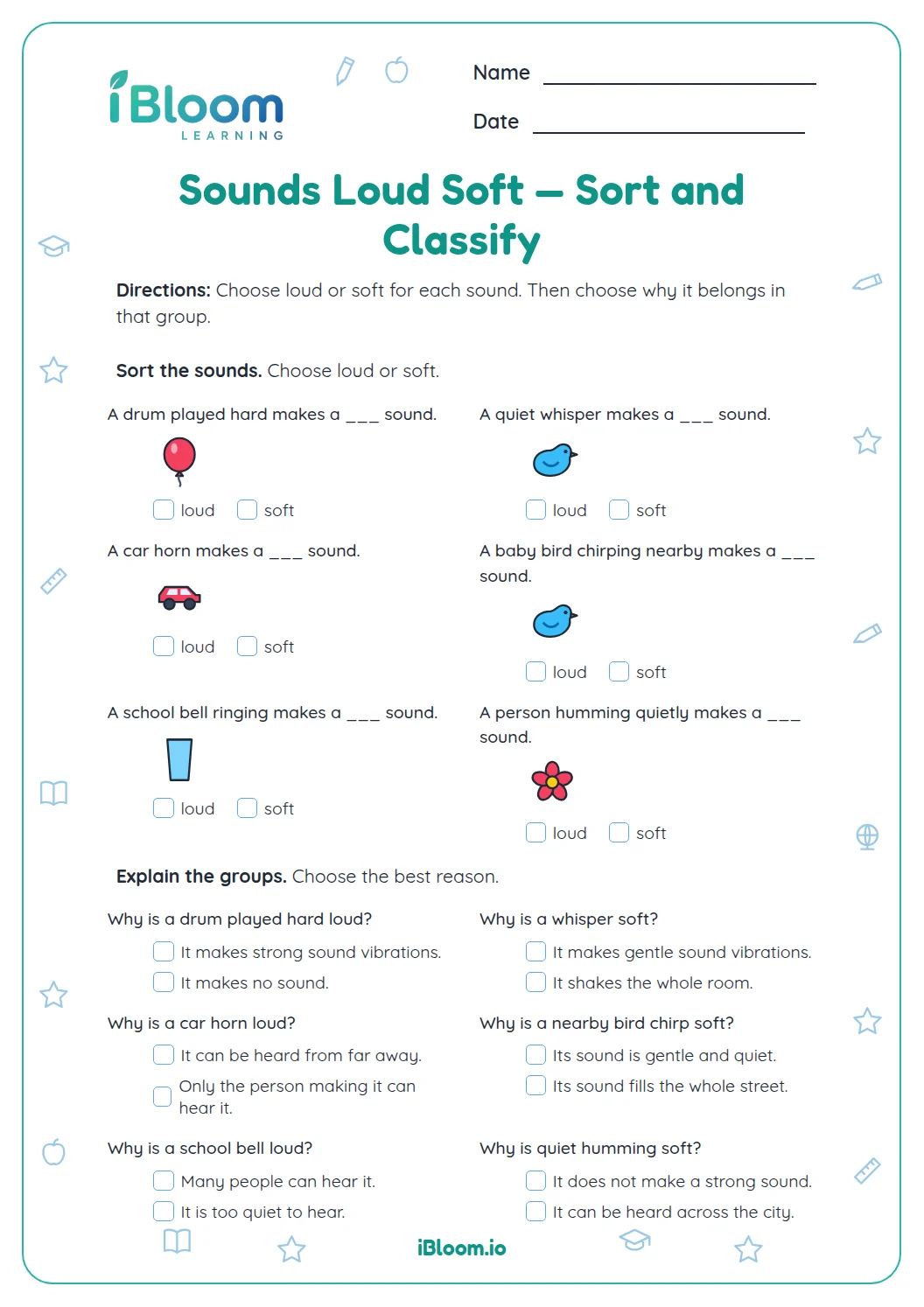 Sounds Loud Soft — Sort and ClassifyGrade 1 science worksheets help children compare loud and soft sounds using everyday examples, careful listening, and simple observation vocabulary. This sort and classify worksheet provides a distinct, age-appropriate way to practise the same lesson.Grade 1Free PDF preview4 pages
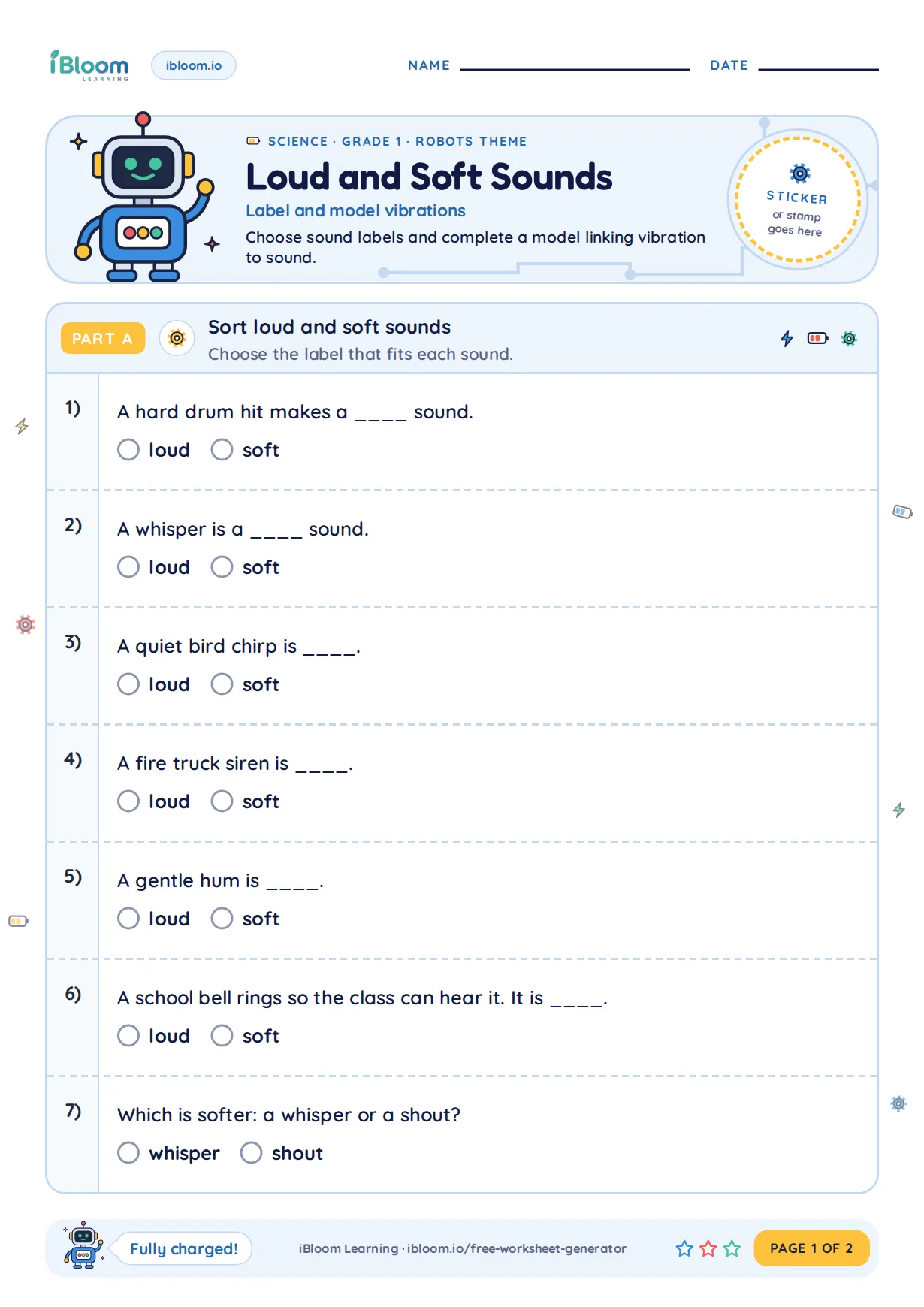 Sounds Loud Soft — Label and ModelGrade 1 science worksheets help children compare loud and soft sounds using everyday examples, careful listening, and simple observation vocabulary. This label and model worksheet provides a distinct, age-appropriate way to practise the same lesson.Grade 1Free PDF preview
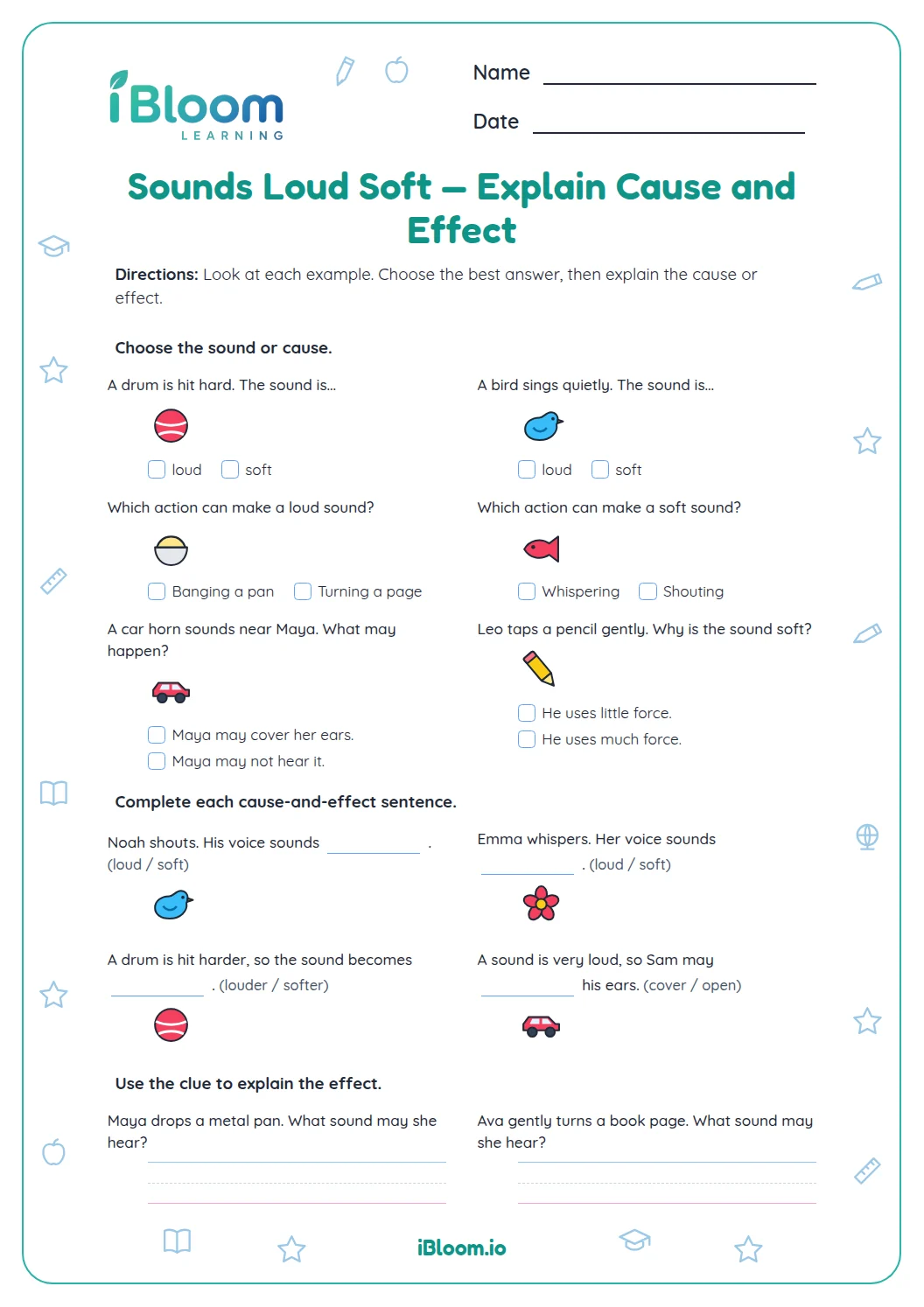 Sounds Loud Soft — Explain Cause and EffectGrade 1 science worksheets help children compare loud and soft sounds using everyday examples, careful listening, and simple observation vocabulary. This explain cause and effect worksheet provides a distinct, age-appropriate way to practise the same lesson.Grade 1Free PDF preview
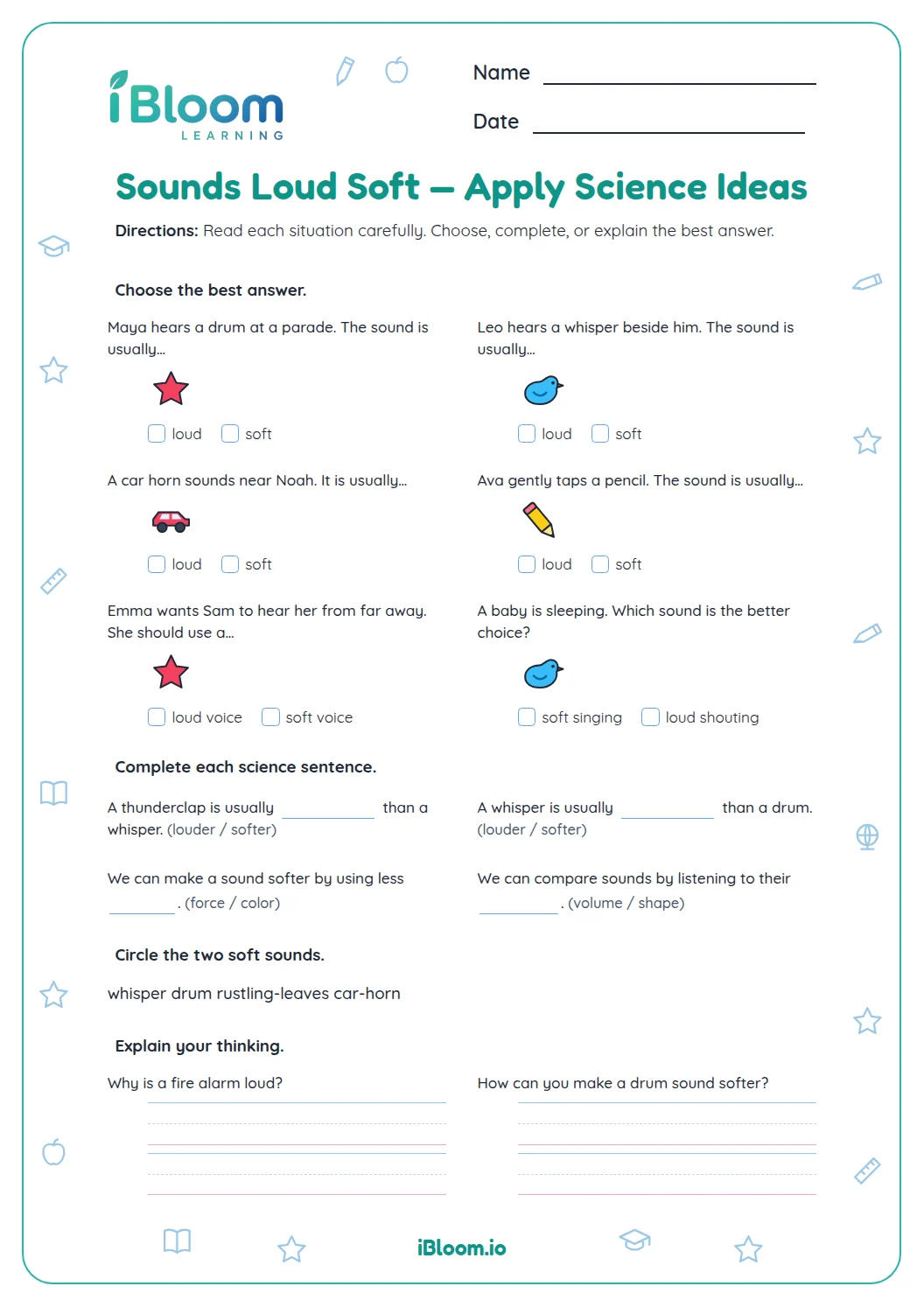 Sounds Loud Soft — Apply Science IdeasGrade 1 science worksheets help children compare loud and soft sounds using everyday examples, careful listening, and simple observation vocabulary. This apply science ideas worksheet provides a distinct, age-appropriate way to practise the same lesson.Grade 1Free PDF preview
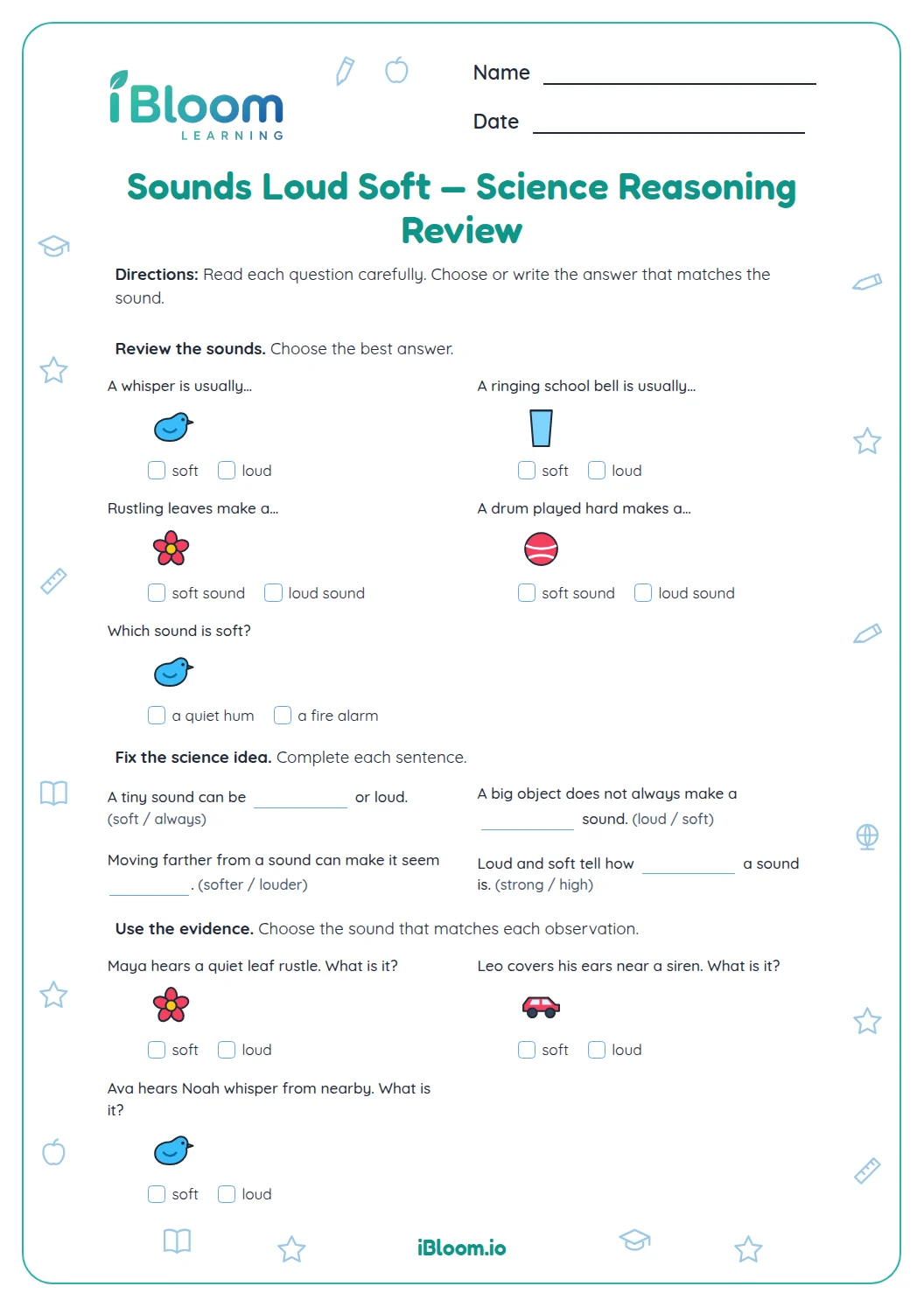 Sounds Loud Soft — Science Reasoning ReviewGrade 1 science worksheets help children compare loud and soft sounds using everyday examples, careful listening, and simple observation vocabulary. This science reasoning review worksheet provides a distinct, age-appropriate way to practise the same lesson.Grade 1Free PDF preview
Practice that builds confidence
What children learn
These Grade 1 science worksheets help children practice telling whether a sound is loud or soft. Students listen, compare, sort, and label everyday sounds such as a whisper, clap, bell, drum, or door knock.
The printable activities include picture-based questions, matching tasks, simple sorting, and short response prompts. In the Science > Grade 1 > Plants breadcrumb collection, this page focuses specifically on the sound skill named Sounds Loud Soft.
Children learn that sounds can be described by how strong they seem to our ears. A loud sound is easy to hear from farther away, such as a siren, shout, or thunder. A soft sound is quieter, such as a whisper, rustling paper, or gentle tapping. The goal is not to measure sound with tools, but to build accurate observation language.
From listening to sorting
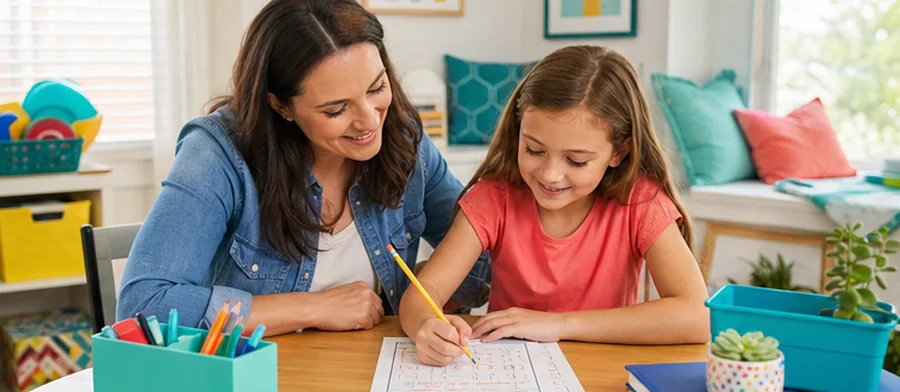
The worksheets move from recognizing single examples to comparing pairs. A child may circle the louder sound, match a picture to “loud” or “soft,” or sort objects into two groups. This progression helps children connect science vocabulary with real experiences instead of guessing from pictures alone.
A simple home routine
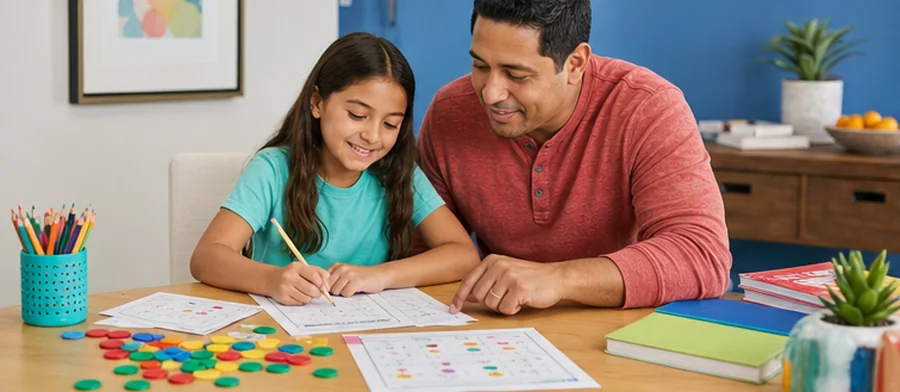
Choose three safe household sounds: tapping a spoon, closing a book, and whispering a word. Ask your child, “Was that loud or soft?” Then repeat one sound more gently or more strongly and ask what changed. Keep the focus on careful listening and respectful volume. Children can point, say the word, or draw a quick symbol for each sound.
Classroom uses
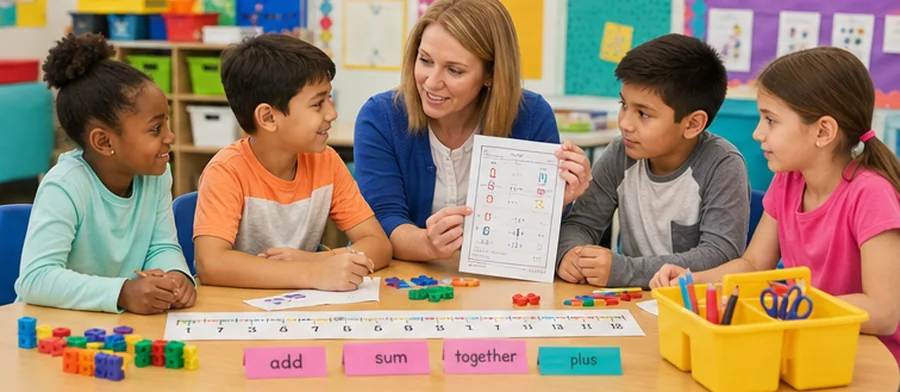
Teachers can use these pages after a sound walk, as a science center, or as a quick check after a demonstration with a bell, shaker, or hand clap. Partners can discuss why they chose loud or soft, which builds speaking skills along with science understanding. The worksheets also work well for small groups that need picture support before writing full explanations.
Common errors to watch for
Some children think big objects always make loud sounds or small objects always make soft sounds. A large pillow dropped gently may be soft, while a small whistle can be loud. Others confuse “loud” with “scary” or “soft” with “nice.” Encourage them to describe what they hear, not how they feel about the sound.
Free printable PDF download
Use this grade 1 loud and soft sounds worksheet page to preview the activity, print it, or download it as a PDF for quick practice. It works well for homework, homeschool lessons, tutoring, morning work, revision, and classroom centers.
Answers and answer key support
After the child completes the worksheet independently, parents and teachers can use the answer support or answer key information to check the work, review mistakes, and choose the next practice step.
Why iBloom worksheets help
The activities use familiar Grade 1 examples and clear directions so children can focus on the comparison. Repeated formats—circle, match, sort, and explain—give practice without making the concept feel abstract. A child-friendly strategy is: stop, listen, compare, then choose. If the sound seems strong to your ears, call it loud; if it seems gentle, call it soft.
Helpful answers
Frequently asked questions
What does loud and soft mean in Grade 1 science?
Loud means a sound seems strong or easy to hear, while soft means a sound seems gentle or quiet. Grade 1 children compare everyday sounds rather than measure them with instruments.
How can I teach loud and soft sounds at home?
Use safe, familiar sounds such as a clap, whisper, spoon tap, or book closing. Ask your child to identify each as loud or soft, then repeat the sound with a different strength so they can compare.
Are these worksheets only about music?
No. The worksheets use general science listening examples, including voices, objects, bells, drums, knocks, and other everyday sounds. Music can be one example, but it is not the whole focus.
What mistakes do first graders often make with this topic?
Children may assume bigger objects always make louder sounds or confuse loud sounds with sounds they dislike. The worksheets help them focus on what their ears observe.
Can teachers use these pages in science centers?
Yes. They work well in centers after a short listening demonstration. Students can sort picture cards, complete a worksheet, and explain one choice to a partner.
Is this grade 1 loud and soft sounds worksheet free?
Yes. You can preview it for free and use the printable worksheet for home or classroom practice.
Can I download this grade 1 loud and soft sounds worksheet as a PDF?
Yes. Use the worksheet download option to save a printable PDF, or print the worksheet directly from the page.
Does this grade 1 loud and soft sounds worksheet include answers or an answer key?
When the activity has fixed answers, iBloom includes answer support so parents and teachers can check the completed worksheet.