Free printable practice
Living Things Practice Activities
Grade 1 students distinguish living from non-living things by observing growth, movement, and basic needs.
Free printable worksheet PDFs
Preview every available page, then download the free worksheet PDF for home, homeschool, tutoring, or classroom practice.
Preview the exact activity before downloading it.
 Living Things — Sort and ClassifyGrade 1 students distinguish living from non-living things by observing growth, movement, and basic needs. This sort and classify worksheet provides a distinct, age-appropriate way to practise the same lesson.Grade 1Free PDF preview
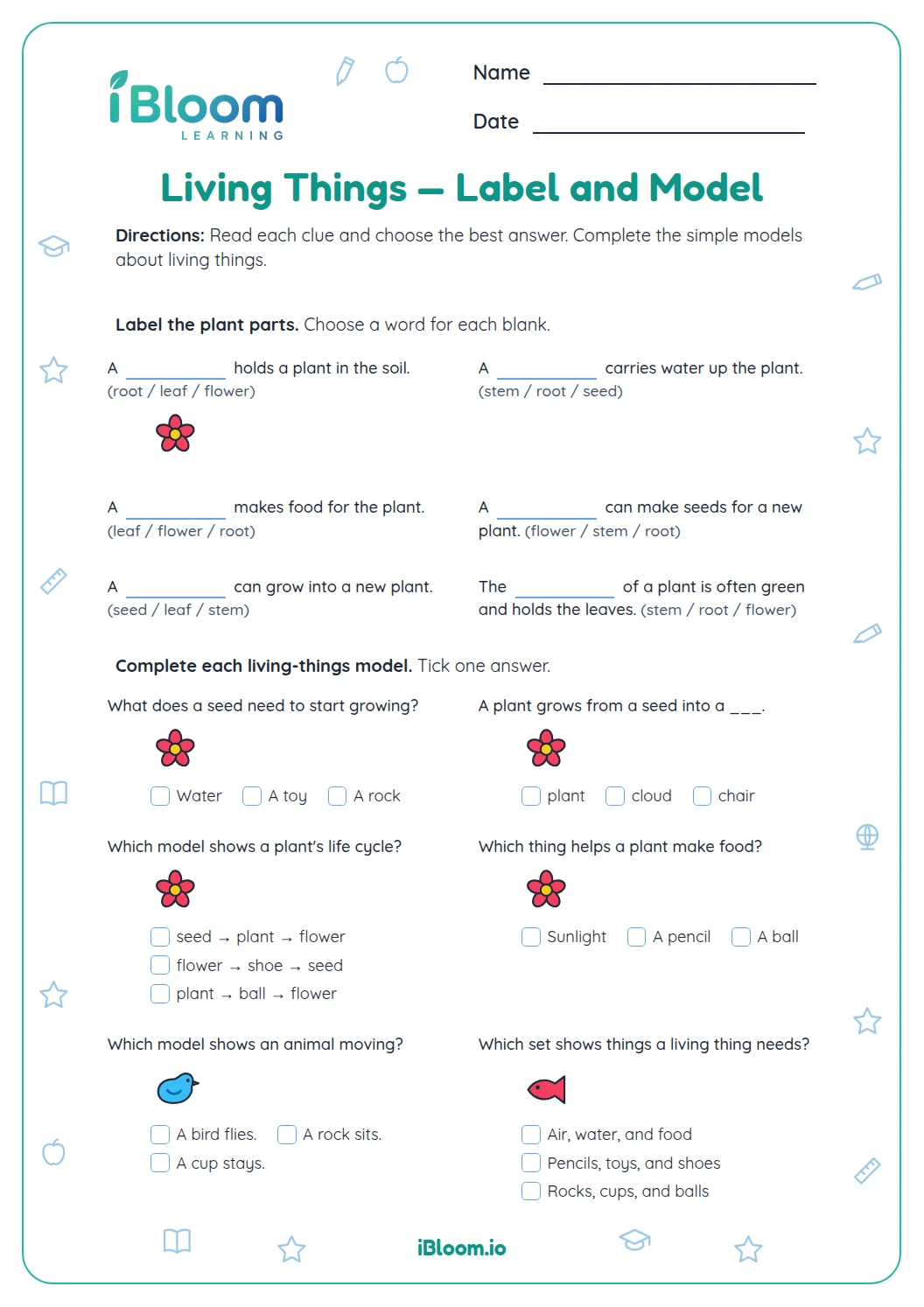 Living Things — Label and ModelGrade 1 students distinguish living from non-living things by observing growth, movement, and basic needs. This label and model worksheet provides a distinct, age-appropriate way to practise the same lesson.Grade 1Free PDF preview6 pages
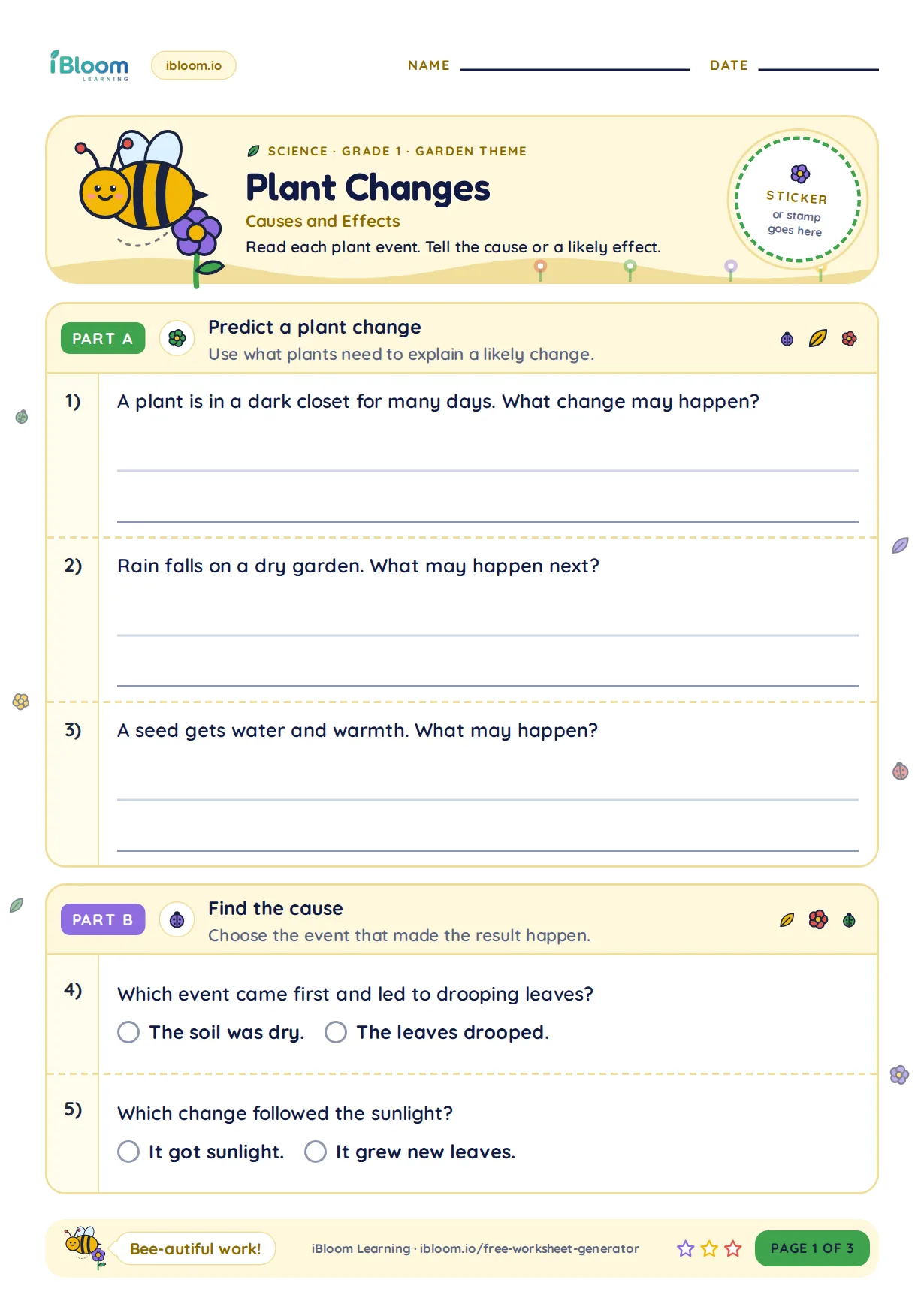 Living Things — Explain Cause and EffectGrade 1 students distinguish living from non-living things by observing growth, movement, and basic needs. This explain cause and effect worksheet provides a distinct, age-appropriate way to practise the same lesson.Grade 1Free PDF preview6 pages
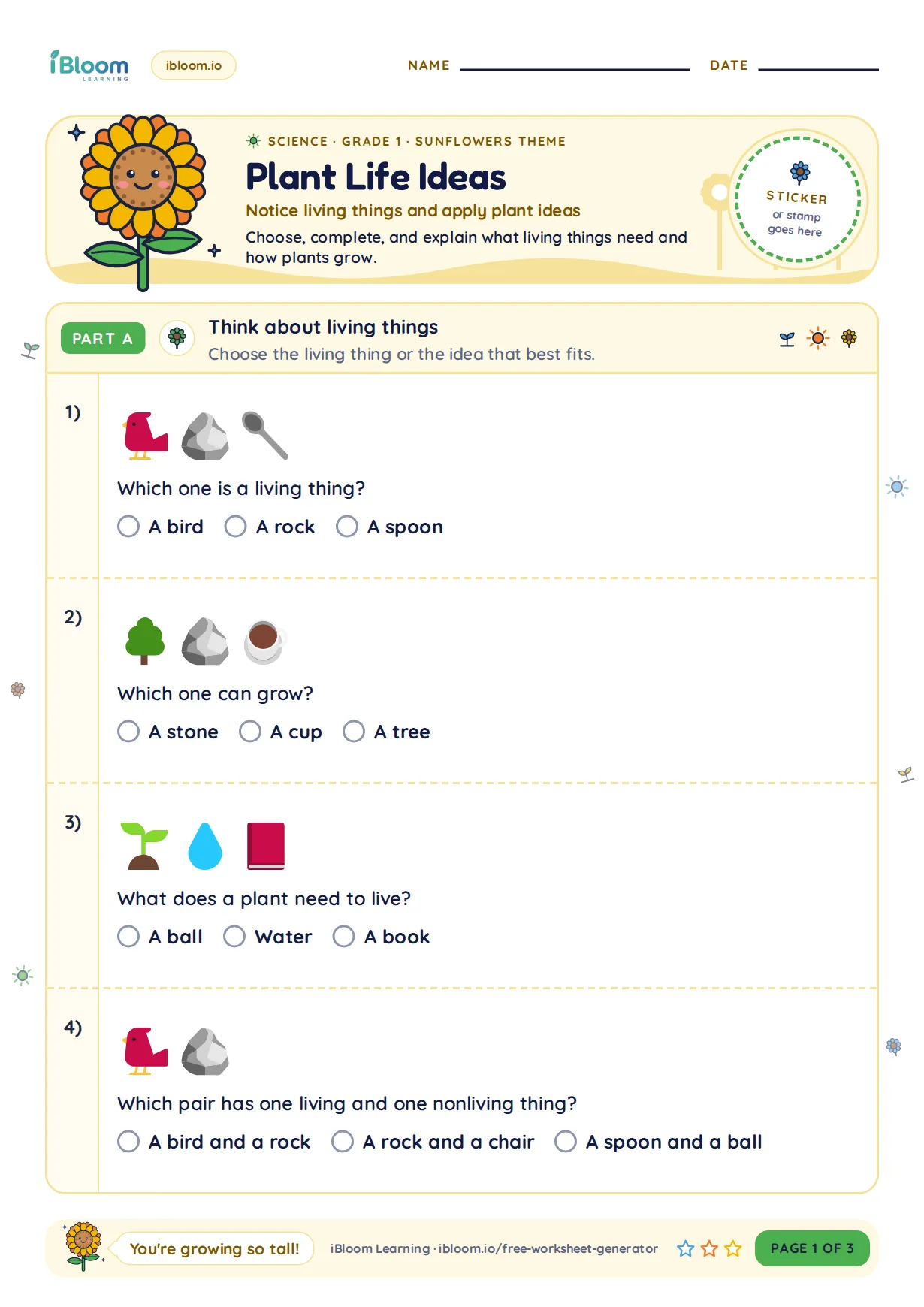 Living Things — Apply Science IdeasGrade 1 students distinguish living from non-living things by observing growth, movement, and basic needs. This apply science ideas worksheet provides a distinct, age-appropriate way to practise the same lesson.Grade 1Free PDF preview
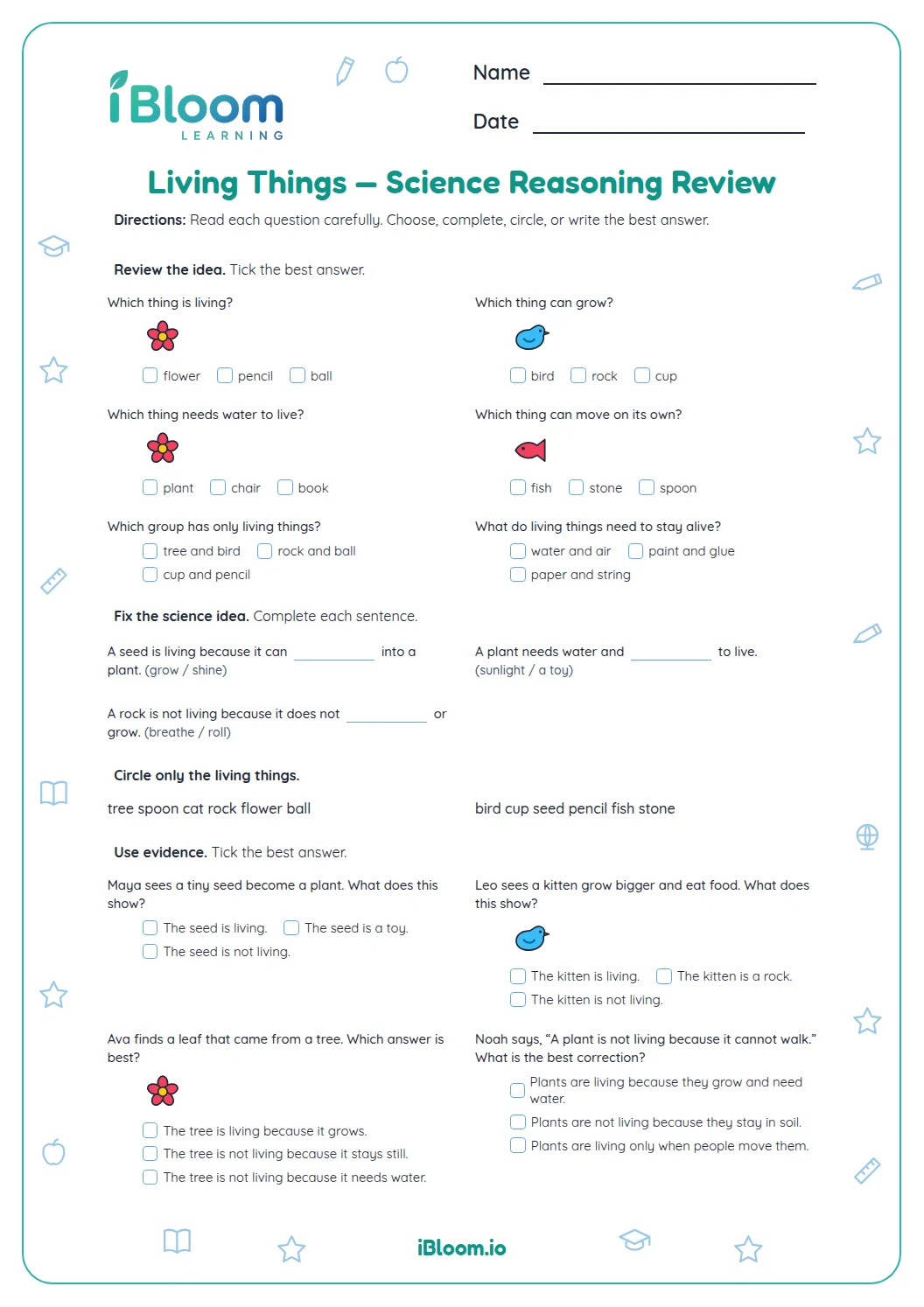 Living Things — Science Reasoning ReviewGrade 1 students distinguish living from non-living things by observing growth, movement, and basic needs. This science reasoning review worksheet provides a distinct, age-appropriate way to practise the same lesson.Grade 1Free PDF preview
Practice that builds confidence
Four Observable Criteria
These Grade 1 science worksheets guide children in sorting objects into living and non-living groups using observable characteristics: living things grow, need food and water, reproduce, and respond to their environment. Each printable page uses clear photographs and simple icons so early readers can focus on the concept, not decoding.
Activities include cut-and-paste sorts, checklist tables, draw-your-own examples, and a mini-book where students record one living and one non-living thing they find at home. The progression moves from obvious contrasts (puppy vs. rock) to trickier cases (seed, cloud, robot) that spark discussion.
Every sheet reinforces the same four "life checks": Does it grow? Does it need food and water? Can it make more of itself? Does it react to changes? Children tick boxes for each criterion, building a consistent mental checklist they can apply to any new object.

From Sorting to Explaining
Early worksheets ask only for a sort. Later pages add "Why?" lines where students write or dictate one reason ("The tree drinks water through roots"). This shifts the task from recognition to justification, deepening conceptual understanding.
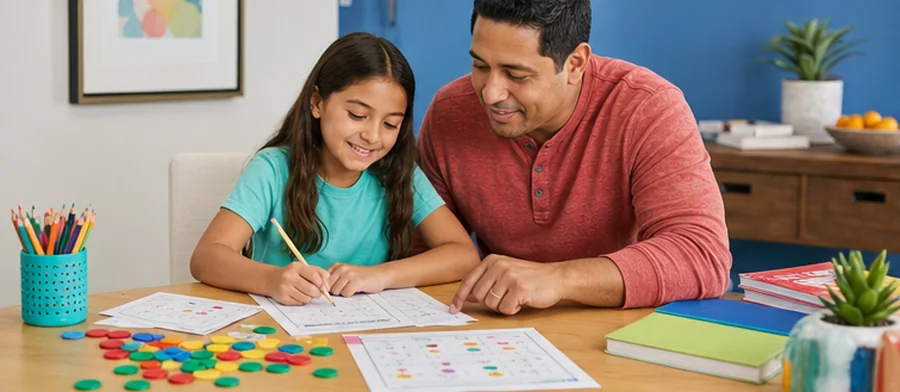
Parent Routine: "Backyard Life Hunt"
Hand your child a clipboard with a two-column chart. Walk the yard or park for five minutes. They sketch or write three living and three non-living things, then run the four life checks on each. Debrief over a snack: "Why is the worm living but the fallen leaf not?"
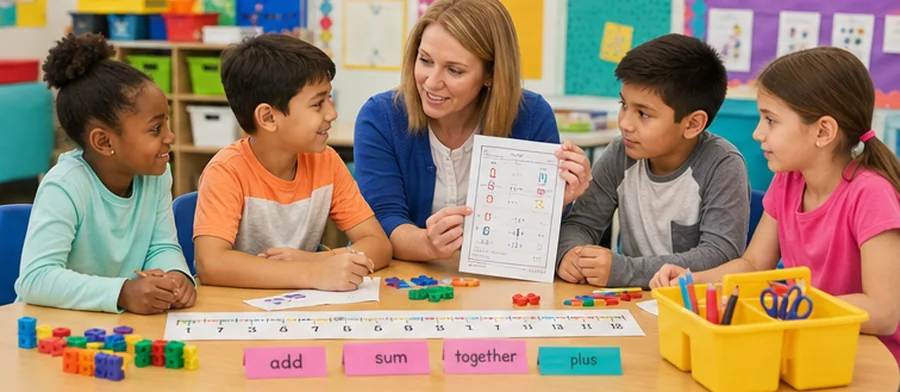
Classroom Science Centers
Set up a tray with 12 small objects (pinecone, feather, plastic bug, acorn, button, moss, etc.) and laminated sorting mats. Partners classify, then defend choices to another pair. Teacher circulates with the question, "What evidence do you have?" to promote scientific argumentation.
Common Errors to Watch
- Classifying anything that moves (car, cloud, robot) as living.
- Thinking a dead leaf or cut flower is still living because it once was.
- Believing plants are non-living because they don't "move like animals."
- Confusing "needs batteries" with "needs food."
Child-Friendly Strategy: "The Life Detective Questions"
Teach a four-question chant: "Grow? Eat? Babies? React?" If the answer is yes to all, it's living. If even one is no, it's non-living. The rhythm makes the checklist memorable.
Free printable PDF download
Use this living and nonliving things worksheets grade 1 page to preview the activity, print it, or download it as a PDF for quick practice. It works well for homework, homeschool lessons, tutoring, morning work, revision, and classroom centers.
Answers and answer key support
After the child completes the worksheet independently, parents and teachers can use the answer support or answer key information to check the work, review mistakes, and choose the next practice step.
Why iBloom Worksheets Help
Helpful answers
Frequently asked questions
Do the worksheets cover viruses or seeds as edge cases?
Seeds appear as a discussion starter (dormant but alive). Viruses are not included at this grade level.
Are real photographs or clip art used?
High-resolution photographs are used throughout so children observe authentic textures and details.
Is writing required, or can children draw responses?
Both options exist. Checklists use tick boxes; explanation lines accommodate drawing, dictation, or emergent writing.
How many objects are sorted per worksheet?
Six to ten items per page, balancing practice volume with attention span.
Can these support a schoolyard habitat unit?
Yes. The backyard hunt and science center activities connect directly to outdoor exploration lessons.
Is this living and nonliving things worksheets grade 1 free?
Yes. You can preview it for free and use the printable worksheet for home or classroom practice.
Can I download this living and nonliving things worksheets grade 1 as a PDF?
Yes. Use the worksheet download option to save a printable PDF, or print the worksheet directly from the page.
Does this living and nonliving things worksheets grade 1 include answers or an answer key?
When the activity has fixed answers, iBloom includes answer support so parents and teachers can check the completed worksheet.