Free printable practice
Animal Types Practice Activities
Grade 2 science printables for sorting animals by type using visible features such as body covering, movement, habitat, and life needs.
Free printable worksheet PDFs
Preview every available page, then download the free worksheet PDF for home, homeschool, tutoring, or classroom practice.
Preview the exact activity before downloading it.
 Animal Types — Sort and ClassifyGrade 2 science printables for sorting animals by type using visible features such as body covering, movement, habitat, and life needs. This sort and classify worksheet provides a distinct, age-appropriate way to practise the same lesson.Grade 2Free PDF preview
 Animal Types — Label and ModelGrade 2 science printables for sorting animals by type using visible features such as body covering, movement, habitat, and life needs. This label and model worksheet provides a distinct, age-appropriate way to practise the same lesson.Grade 2Free PDF preview
 Animal Types — Explain Cause and EffectGrade 2 science printables for sorting animals by type using visible features such as body covering, movement, habitat, and life needs. This explain cause and effect worksheet provides a distinct, age-appropriate way to practise the same lesson.Grade 2Free PDF preview
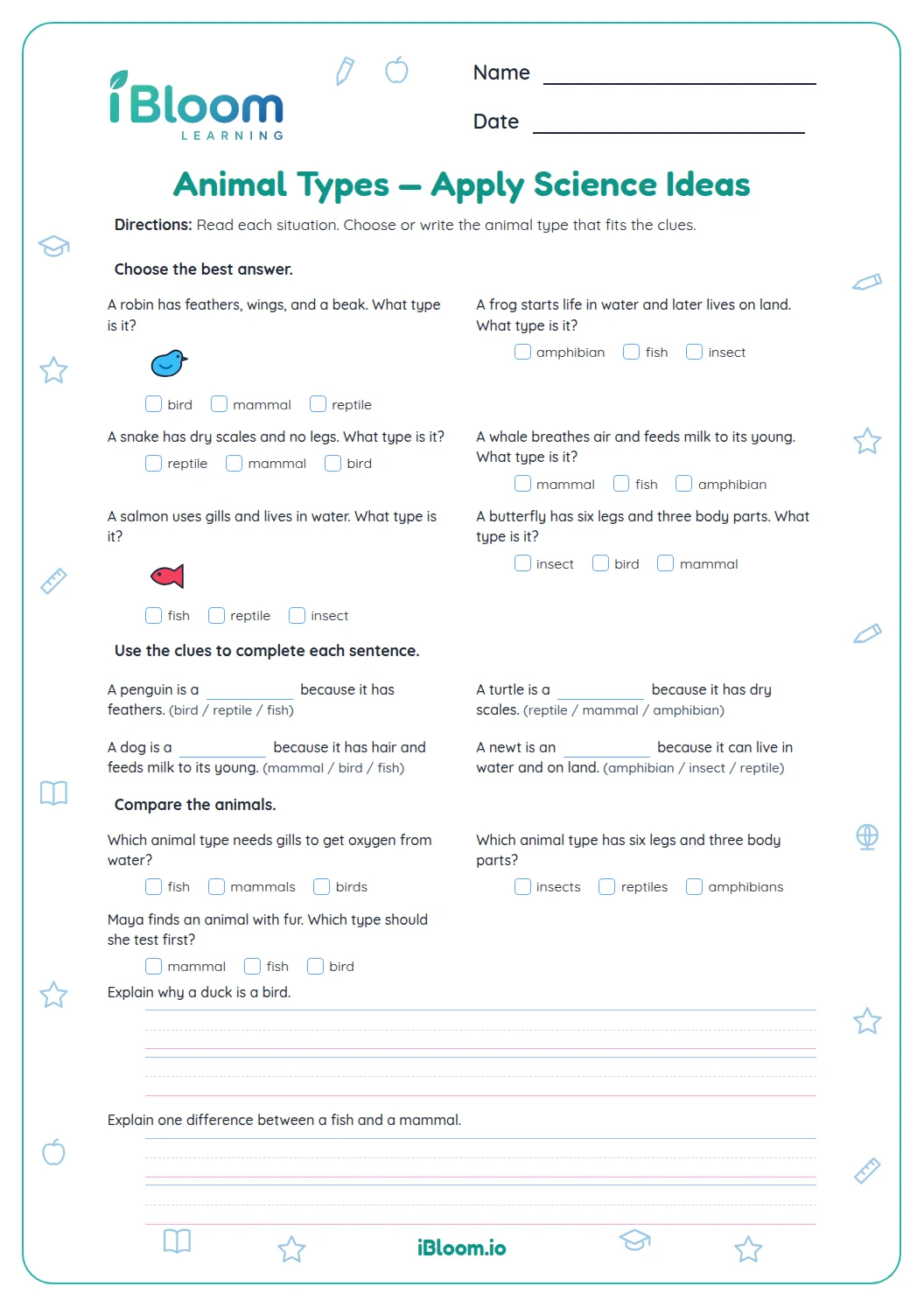 Animal Types — Apply Science IdeasGrade 2 science printables for sorting animals by type using visible features such as body covering, movement, habitat, and life needs. This apply science ideas worksheet provides a distinct, age-appropriate way to practise the same lesson.Grade 2Free PDF preview
 Animal Types — Science Reasoning ReviewGrade 2 science printables for sorting animals by type using visible features such as body covering, movement, habitat, and life needs. This science reasoning review worksheet provides a distinct, age-appropriate way to practise the same lesson.Grade 2Free PDF preview
Practice that builds confidence
What students learn
These Grade 2 science worksheets help children practise identifying animal types by looking closely at observable features. Students compare animals by body covering, movement, habitat, and other traits that help scientists group living things.
The printable activities include sorting, matching, labeling, and short-response tasks using familiar animals. Children build vocabulary for animal groups while learning to explain why an animal belongs in a category.
Animal type practice helps Grade 2 learners move beyond simply naming animals. They learn to notice evidence: feathers, fur, scales, fins, wings, legs, shells, or moist skin. A child may know that a robin is a bird, but these worksheets ask them to explain it with features such as feathers, a beak, and wings.

Building the skill step by step
The activities usually begin with direct recognition of common animals, then move into sorting by group and comparing two animals. Children may match animals to type names, circle animals that share a feature, or complete sentences such as a fish has fins and lives in water. This progression supports careful observation before classification.
A simple parent routine
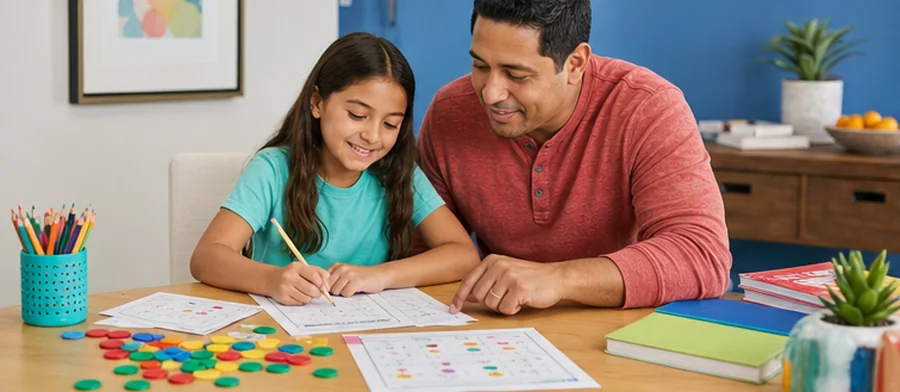
At home, choose one worksheet page and preview the animal pictures together. Ask, What do you see on its body? How does it move? Where might it live? After your child answers, have them point to the clue in the picture before writing or choosing a category. Finish by naming one animal not on the page and deciding where it belongs using the same clues.
Classroom uses for teachers
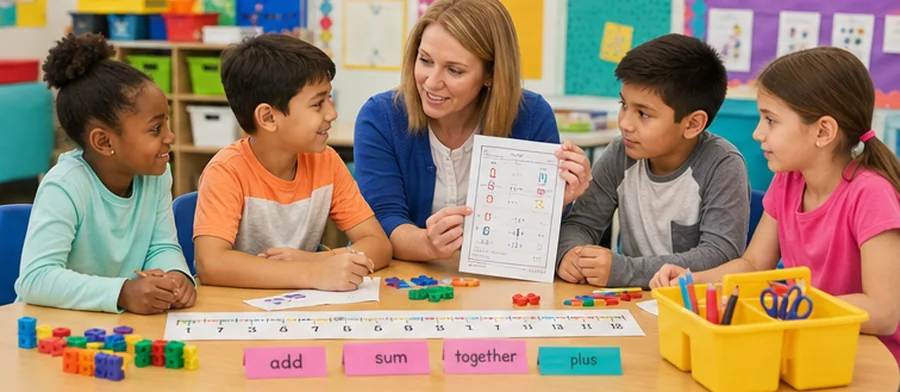
Teachers can use these printables during a Grade 2 animals unit, science centers, partner sorting tasks, or quick checks after a read-aloud about living things. They also work well for small groups: give each group a different animal type and ask students to defend their choices with vocabulary from the page.
Common mix-ups to watch for
Children may group animals only by where they live, so a whale may be called a fish because it lives in the ocean. Others may focus on one feature, such as wings, and place bats with birds. Encourage the child-friendly strategy: look for three clues before you choose. Body covering, how it breathes or moves, and how it has babies can guide better thinking when the answer is not obvious.
Free printable PDF download
Use this grade 2 animal types worksheet page to preview the activity, print it, or download it as a PDF for quick practice. It works well for homework, homeschool lessons, tutoring, morning work, revision, and classroom centers.
Answers and answer key support
After the child completes the worksheet independently, parents and teachers can use the answer support or answer key information to check the work, review mistakes, and choose the next practice step.
Why iBloom worksheets help
iBloom worksheets keep the focus on grade-appropriate science thinking: observe, compare, sort, and explain. Clear pictures, varied question formats, and repeated animal vocabulary help children practise classification without turning the page into memorization only. The goal is confident reasoning about animal types, not just a list of names.
Helpful answers
Frequently asked questions
What animal types do these Grade 2 worksheets practise?
They focus on common animal groups children meet in elementary science, such as mammals, birds, fish, reptiles, amphibians, and insects, using features like fur, feathers, scales, fins, wings, and legs.
How can my child tell the difference between a fish and an ocean mammal?
Encourage your child not to use habitat alone. A fish has features such as fins and gills, while an ocean mammal such as a whale is still a mammal even though it lives in water.
Are these worksheets mostly picture-based or writing-based?
They include picture-supported tasks such as matching, sorting, circling, and labeling, along with short written explanations so Grade 2 students can practise both recognition and reasoning.
How should teachers use these animal type activities in class?
They can be used in science centers, small-group sorting lessons, partner discussions, or as a quick check after teaching animal features and classification vocabulary.
What is the best strategy for children who guess animal groups?
Teach them to look for three clues before answering: body covering, how the animal moves or lives, and another feature shown in the picture or sentence. This slows down guessing and builds evidence-based classification.
Is this grade 2 animal types worksheet free?
Yes. You can preview it for free and use the printable worksheet for home or classroom practice.
Can I download this grade 2 animal types worksheet as a PDF?
Yes. Use the worksheet download option to save a printable PDF, or print the worksheet directly from the page.
Does this grade 2 animal types worksheet include answers or an answer key?
When the activity has fixed answers, iBloom includes answer support so parents and teachers can check the completed worksheet.